
Expert Insights on Solar Panel Lifespan for Florida Homeowners
Share:
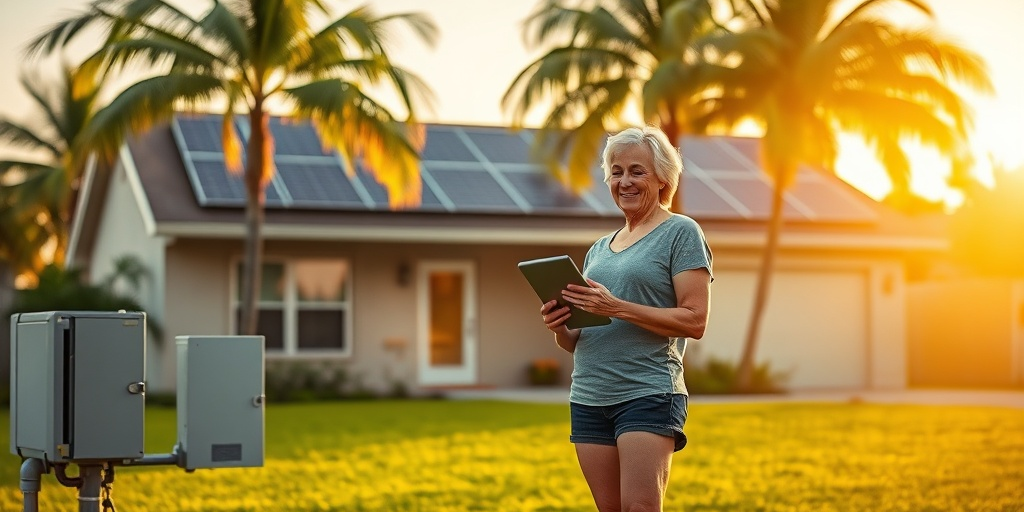
When it comes to solar energy, many homeowners are still grappling with skepticism and uncertainty, particularly regarding the durability of solar panels. Did you know that the average lifespan of a solar panel spans between 25 to 30 years? However, many Florida homeowners remain unaware that proper maintenance can significantly extend this lifespan and optimize performance. In our latest blog post, titled Expert Insights on Solar Panel Lifespan for Florida Homeowners, we’ll delve deep into this frequently asked question and share essential tips to ensure your investment is sound and fruitful. With energy prices skyrocketing and more Floridians seeking independence from traditional energy sources, understanding solar panel longevity has never been more pressing as we approach 2025. According to the Solar Energy Industries Association (SEIA), Florida ranked fourth in the U.S. in solar capacity in 2022, which underscores an imminent market shift. So now, what does it take to maximize the lifespan of your solar panels? In this informative guide, we’ll explore five key sections: a deep dive into the lifespan of solar panels, an essential maintenance checklist, myth-busting common misconceptions, a focus on local statistics and policies, and a technical deep dive into solar systems. Let’s get started!
Understanding Solar Panel Lifespan
Why is it crucial for homeowners to understand the lifespan of solar panels? In a state like Florida, where sunlight is abundant, harnessing solar energy can mean considerable financial savings over time. Let’s examine a case study that illustrates this point.
Meet Sarah, a recent homebuyer in Orlando, who decided to invest in a solar energy system for her new residence in early 2023. Initially skeptical about the cost, she eventually learned that solar panels could last up to 30 years with proper upkeep. With an average energy savings of 70%, she estimated that her investment would pay for itself within six years, leaving her with substantial savings thereafter. Based on her experience, proper solar panel maintenance ensured that she reaped the most benefits from her investment.
- Regular Cleaning: Dust, debris, and bird droppings can impair solar efficiency. Cleaning your solar panels every 6-12 months is recommended, especially in regions with substantial pollen or dust.
- Visual Inspections: Monthly inspections can help identify any physical damage, such as cracks or loose cables. This simple act can prevent small issues from turning into costly repairs.
- Annual Professional Checkups: Specialists can examine the inverter and battery levels to ensure optimal performance. This service can reveal problems before they impact the energy output.
- Monitoring Energy Output: Tracking your solar panel’s performance through monitoring apps helps you to see fluctuations in energy output, signalling potential issues early on.
- Understanding Weather Impact: Florida’s temperamental weather can influence solar panel efficiency. Be aware of major storms and adjust your cleaning schedule accordingly.
Now, let’s address some of the common myths that envelop solar panels, especially in the sun-soaked state of Florida.
Myths About Solar Panel Lifespan Debunked
Myth #1: Solar panels degrade quickly and need frequent replacement. This is a widespread belief, but most solar panels are designed to last over 25 years. According to the National Renewable Energy Laboratory (NREL), typical panels lose about 0.5% of their efficiency per year.
Myth #2: Weather conditions in Florida are too harsh for solar panels. While Florida does experience hurricanes and strong storms, modern solar technology is designed to withstand such conditions with warranties often covering impact resistance.
Myth #3: Solar panels don’t work well during cloudy days. Solar panels still generate energy in overcast conditions; their efficiency may dip, but they aren’t entirely ineffective.
Myth #4: All solar installations are the same. Not true! Solar panel quality and installation practices vary widely. Investing in high-quality panels and a reputable installer can make a huge difference in longevity.
Myth #5: If I move, I need to replace my solar panels. You can transfer your solar panel system when moving or sell the home with the system already installed, enhancing its value.
Understanding these myths helps gain confidence in the value of solar energy as a long-term investment. In addition to these myths, Florida’s unique solar landscape plays a significant role in effective outputs.
The Florida Factor
Florida holds a potent arsenal of solar information that every homeowner should recognize. For instance, the state boasts some of the highest solar insolation rates in the U.S., meaning your panels could work even more efficiently. On average, Florida receives over 5.4 hours of sunlight per day, making it a prime location for solar energy capture (NREL.gov).
- Incentives and Tax Breaks: Programs like the Federal Solar Investment Tax Credit (ITC) allow you to deduct a part of the installation costs from your federal taxes, providing substantial savings and incentive to go solar.
- Local Permits and Policies: The process of installation may vary based on your local government’s solar policies. Ensuring compliance with permits can help extend your system’s lifespan.
- Community Solar Initiatives: Within many Florida cities, community solar programs allow homeowners to join together to benefit from joint installations, resulting in lower costs and promoting sustainability.
Each of these aspects contributes significantly to the overall solar experience. Now let’s dive deeper into what families considering the switch can do to ensure their solar systems are working at their best!
5 Expert Solar Installation Tips for 2025
Many are still contemplating how to achieve optimal solar panel conditions. Here are five expert tips designed for Florida homeowners in 2025:
- Tip #1: Plan for Shade-Free Installation: Avoid areas with trees or tall structures that cast shadows on your panels. This simple step in planning can drastically improve performance.
- Tip #2: Choose Quality Components: Investing in high-quality panels and inverters can significantly boost longevity. Look for products with long warranties and excellent reviews.
- Tip #3: Consider Battery Storage: Implementing solar batteries allows you to store energy for peak usage times, mitigating energy costs when the sun isn’t shining.
- Tip #4: Ensure Optimal Orientation: Position your solar panels facing south to maximize sunlight exposure—an installation angle of 30-45 degrees is often ideal for Florida.
- Tip #5: Stay Informed on Legislative Changes: Solar policies evolve rapidly, so watch local and federal laws to ensure you benefit from any possible incentives or preferences for renewable energy.
By taking these steps, Florida homeowners can enhance their solar experience and enjoy savings far beyond energy costs. With innovation and sustainability in mind, let’s further explore the journey of an average Florida homeowner who goes solar.
A Journey to Sustainable Living
Let’s consider the story of John and Linda from Tampa, who decided to invest in solar panels in mid-2023. This committed couple was increasingly frustrated with rising energy bills and the focus on purchasing sustainable products. Once their decision was made, they followed these steps:
- Research and Planning: They delved deep into solar trends, finding out everything they could about financial assistance programs available to Florida residents.
- First Consultation: Linda scheduled an appointment with a reputable solar company, Florida Electric & Solar, which educated them about the installation process and warranty options available.
- Installation Day: On installation day, the engineers arrived early, working smoothly to align and fit their panels. The couple was ecstatic as they watched their energy solution come together.
- Monitoring Progress: After installation, they began to track their energy output through a monitoring app. Excitement grew as they saw energy production even on cloudy days.
- A Year of Savings: After the first year, John and Linda realized they saved over $1,500 in electricity expenses, solidifying their confidence in the solar decision.
This narrative illustrates how informed decisions can lead to sustainable living while easing financial burdens. With such stories emerging across Florida, it’s evident that going solar is not just a trend—it’s a sustainable lifestyle choice.
Next Steps for Florida Solar Buyers in 2025
Considering a shift towards solar energy? Here’s a clear action plan to guide your journey to becoming a solar homeowner:
- Step 1: Audit Your Electric Bill: Examine past bills to determine your average monthly energy usage. Highlight peak consumption months to anticipate solar needs.
- Step 2: Research Solar Options: Visit resources like floridaelectricandsolar.com to familiarize yourself with the varieties of solar systems available—from on-grid to off-grid options.
- Step 3: Get Multiple Quotes: Contact reputable solar companies for installation quotes. Comparing different options helps find the best price and service.
- Step 4: Understand Financing Options: Explore financing plans, such as leasing, loans, or cash purchases. Look for plans that make sense for your financial scenario.
- Step 5: Schedule Installation: Once decision-makers are selected, schedule your installation and prepare your home for the new equipment by ensuring optimal sunlight access.
With these next steps, aspiring solar homeowners will find clarity and confidence as they pave their path to solar energy adoption.
As we conclude this deep dive into solar panel lifespan and care, let’s recap what we’ve learned in this enlightening journey.
In Expert Insights on Solar Panel Lifespan for Florida Homeowners, we unveiled crucial information on the significance of solar panel maintenance to extend performance, debunked common myths that perpetuate uncertainty, and explored the unique landscape of solar energy in Florida. We also guided prospective buyers through actionable steps to seamlessly transition into sustainable living while enjoying financial benefits. As we approach 2025, the time to act is now—solar energy has the potential to reduce energy bills, support environmental sustainability, and enhance the value of your home. So, why wait?
Ready to start your solar journey in 2025? Connect with a certified expert at floridaelectricandsolar.com today!
Related Articles
More insights about Solar Panel

Florida Homeowners: Why Solar Panel Maintenance Is Essential

7 Essential Steps for Solar Panel Installation Success

Expert Insights: Key Factors Influencing Solar Panel Lifespan
Ready to Go Solar?
Have questions about solar energy? Our experts are here to help you make the switch to clean, renewable energy.