
Choosing the Right Inverter for Your Solar Panel Installation Explained
Share:
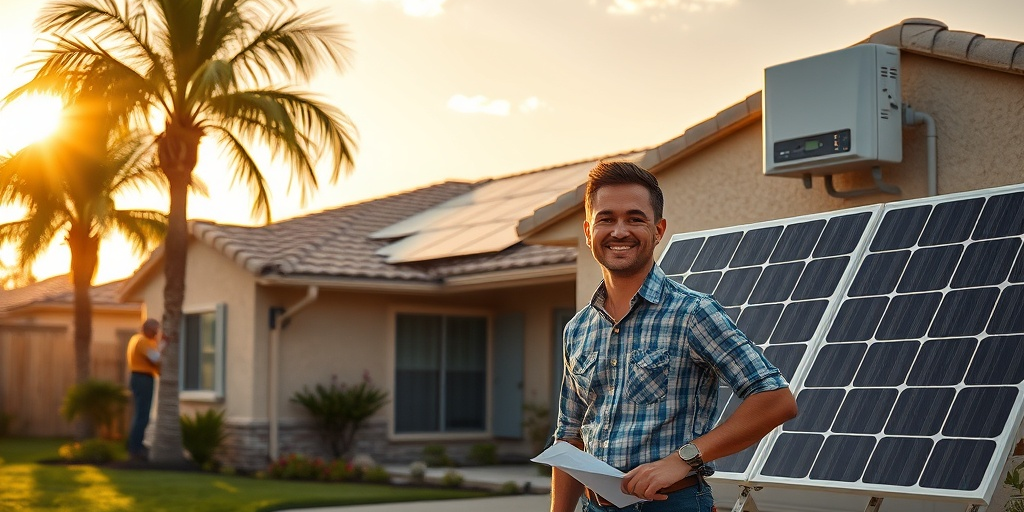
As homeowners across Florida prepare for the solar energy revolution, the choice of the right inverter for your solar panel installation becomes more critical than ever. Did you know that selecting an efficient and reliable inverter can improve your solar system’s efficiency by up to 30%? This fact is particularly vital for Floridians, as they already enjoy one of the highest solar potentials in the United States, averaging about 5.5 hours of sunlight per day (SEIA.org). But why is 2025 a crucial year to get informed about your inverter options? The ongoing rise in energy costs, combined with new solar incentives and policies aimed at encouraging renewable energy adoption, makes it imperative for homeowners to understand where best to invest their money and how it will impact their long-term savings. In this blog post titled Choosing the Right Inverter for Your Solar Panel Installation Explained, we are diving deep into the technical elements of solar inverters, focusing on efficiency, long-term performance, and making informed choices that benefit your energy needs.
Throughout this comprehensive piece, we will explore five essential sections: first, a detailed case study illustrating the differences an inverter can make; next, a practical checklist to help you evaluate your options; third, we will debunk common myths surrounding inverters; fourth, we will focus on Florida-specific insights and statistics; and finally, a technical deep dive that sheds light on the relationship between inverters and solar energy systems. Each section serves to empower you as a Florida homeowner or commercial proprietor regarding solar energy, equipping you with the knowledge necessary to confidently navigate the installation process.
Understanding the Power of Inverters: A Case Study on Efficient Energy Conversion
Inverters are often called the “heart” of solar energy systems, converting the direct current (DC) produced by solar panels into alternating current (AC) used in homes. To emphasize the importance of selecting the appropriate inverter, let’s look at the case of the Jones family, who decided to go solar in Orlando.
The Joneses, like many Floridians, were eager to cut their utility bills and invest in a cleaner future. They initially went with a cheaper, less efficient inverter branded for its affordable price. For the first few months, their experience seemed satisfactory. However, within the year, they noticed that their energy savings were significantly lower than projected. The statistics showed that their system was underperforming, with energy output lower than expected. After a diagnostic check, they learned that their inverter was operating at only 75% efficiency, resulting in lost savings of over $200 annually compared to a premium inverter (Energy.gov). This financially frustrating situation led them to replace their inverter with a higher-efficiency option, boosting their output and restoring faith in their solar investment.
This case highlights a crucial checklist when considering which inverter is right for your installation:
- Evaluate the type of inverter: Understand if you need a string inverter, micro-inverter, or power optimizer, as each has its own advantages.
- Check efficiency ratings: Look for inverters with a minimum efficiency rating of 95% as a baseline.
- Consider warranties: Inverters often represent the weakest link in solar systems—ensure you have a robust warranty in place.
- Research brands and reviews: Seek out manufacturers with a proven track record in reliability and customer service.
- Think about scalability: Your needs may grow—choose an inverter that can accommodate additional panels down the line.
This situation is not rare; it demonstrates the critical nature of selecting the right inverter to optimize both system performance and savings. For Florida homeowners, understanding how various inverters operate and their efficiency impacts can drastically shift both short-term satisfaction and long-term gains.
Essential Steps to Choosing the Right Inverter
Making the right choice for your solar inverter isn’t simply a matter of brand loyalty or initial cost; it’s about understanding your needs and how different systems operate. Here’s a concise checklist to guide your decision-making process:
- Step 1: Assess Your Energy Needs – Understand your average monthly energy consumption. This will guide how much solar power you need to generate.
- Step 2: Research Inverter Types – Different inverter types suit different system setups. String inverters work well for simpler installations, while micro-inverters offer unmatched efficiency in complex shading situations.
- Step 3: Check System Compatibility – Ensure that your chosen inverter is compatible with your solar panels. Mismatched systems can lead to inefficiencies.
- Step 4: Review Warranty Terms – A robust warranty is an important consideration when selecting an inverter. Favor 10-year warranties or longer on high-quality products.
- Step 5: Consult with Professionals – Collaborate with an experienced solar installer who can provide customized recommendations based on your property and energy requirements. For guidance, visit floridaelectricandsolar.com.
With rising energy costs and incentives available in Florida for solar installations, this is the moment to not only invest in solar panels but to ensure that your inverter works for you. Choosing the right inverter can lead to significantly lower electric bills while maintaining system longevity.
Debunking Common Myths About Solar Inverters
When considering solar energy solutions, several misconceptions persist regarding inverters. Let’s tackle some myths and set the record straight to help Florida homeowners make informed decisions:
- Myth #1: All inverters are the same. Many first-time buyers assume that every inverter functions identically, but the truth is that performance, efficiency, and specs vary widely.
- Myth #2: More wattage equals better performance. Some people believe that higher wattage inverters lead to optimal performance; however, serious factors like efficiency ratings and compatibility with solar panels hold more weight.
- Myth #3: Inverters are not critical to solar performance. Your solar inverter is vital to maximizing energy conversion. A malfunctioning inverter can dramatically reduce the performance of your entire solar system.
- Myth #4: Installation costs on inverters are non-negotiable. Many homeowners overlook this fact, but installation fees can vary. Get multiple quotes to ensure competitive prices within your budget.
- Myth #5: Solar energy can’t meet my energy needs. With modern advancements in solar technology, many systems can now be configured to accommodate virtually any residential energy consumption.
By dispelling these myths, you can approach your solar journey with greater clarity, ensuring that your investment pays off in lower electric bills, more savings, and a reduced carbon footprint.
Florida Solar Insights: Energy Trends and Inverter Choices
Florida is increasingly becoming a leader in solar energy adoption, with over 1.1 million solar installations by the end of 2023. In particular, this state has been proactive in setting policies that make solar more accessible to homeowners and businesses alike. With such growth comes an evolving landscape of inverter technology suited specifically for Florida’s sunny disposition and diverse energy needs.
Recent reports indicate that the average solar energy system in Florida can save homeowners up to $1,000 annually on energy costs (SolarReviews.com). This power savings can substantially increase with the right inverter setup. As homeowners progressively tilt towards photovoltaic (PV) solutions, embracing advanced inverter technologies becomes paramount to ensuring not just peak performance, but longevity and reliability as well.
Here’s what homeowners should consider from a local standpoint:
- Net Metering Policy: Florida’s net metering regulations allow homeowners to receive credits for any solar energy produced but not used, with credits applicable to future purchases.
Understanding these Florida-specific factors can significantly influence your choice of inverter, ensuring you align with the best practices and regulations to maximize your solar output.
Next Steps for Florida Solar Buyers in 2025
If you’re ready to embrace solar as a viable energy source for your home or business, the following checklist can guide your next steps, ensuring you take efficient and informed action:
- Step 1: Audit Your Electric Bill – Review your average usage and costs over the past year to ascertain the savings potential from solar.
- Step 2: Research Solar Providers – Look into local companies with great reviews and a proven track record in solar installations in Florida.
- Step 3: Get Multiple Quotes – Don’t settle for the first offer you receive. Collect several quotes to ensure competitive pricing.
- Step 4: Explore Financing Options – Familiarize yourself with solar loans, leases, and the benefits of upfront payments to understand what’s most suitable for your financial context.
- Step 5: Consult With Experts – Talk to professionals to understand the dynamics of solar inverter choices, installation procedures, and optimal setups formed around your energy requirements. Reach out to floridaelectricandsolar.com for comprehensive guidance.
Taking these steps will not only smooth the journey to solar energy but also empower your decision, ensuring lasting benefits and savings for your household.
The journey to sustainable energy is more than simply installing a system; it represents a key lifestyle investment for Florida homeowners determined to control their energy future. With the appropriate knowledge about inverters, homeowners can harness the immense potential of solar power thereby maximizing efficiency and energy savings. The right inverter will greatly affect your system’s performance and should not be selected lightly; it is as crucial as the solar panels themselves. As we move into 2025 with new incentives, technological advancements, and growing energy challenges, your decision to go solar has never been more timely. By thoroughly researching and evaluating your options, you can secure a cleaner, more cost-efficient future.
Ready to start your solar journey in 2025? Connect with a certified expert at floridaelectricandsolar.com today.
Related Articles
More insights about Solar Panel

Florida Homeowners: Why Solar Panel Maintenance Is Essential

7 Essential Steps for Solar Panel Installation Success

Expert Insights: Key Factors Influencing Solar Panel Lifespan
Ready to Go Solar?
Have questions about solar energy? Our experts are here to help you make the switch to clean, renewable energy.