
Insider Tips for Choosing the Right Inverter for Solar Systems
Share:
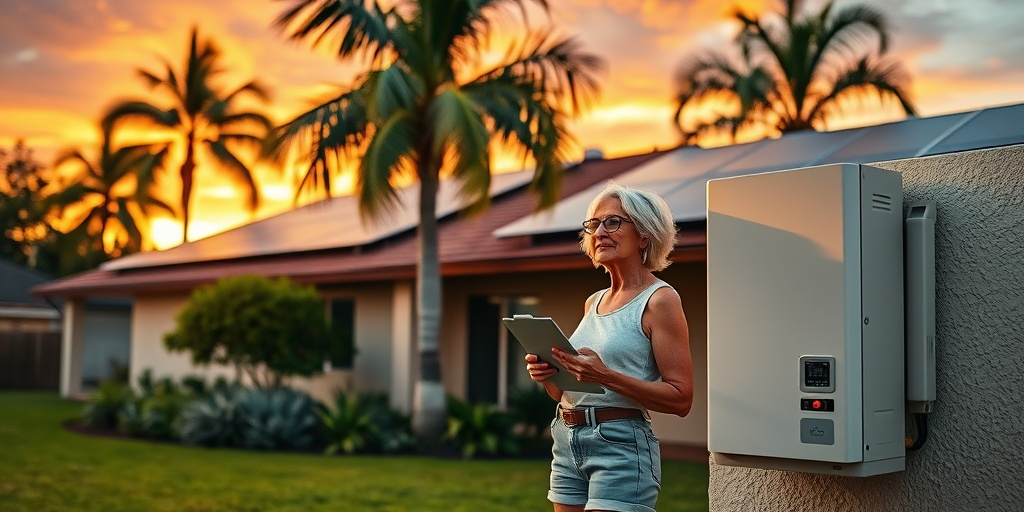
Picture this: You’re a Florida homeowner, sipping sweet tea on your porch while the sun shines down on your solar panels, powering your home and cutting your electricity bill in half. Sounds idyllic, right? Well, it’s not just a dream—this reality is within reach, especially as we step into 2025, when energy costs are poised to soar and more Floridians are turning to solar to reclaim control over their power. As you embark on your solar journey, one critical component will determine how effectively your panels convert sunlight into usable energy: the solar inverter. This brings us to our blog title, Insider Tips for Choosing the Right Inverter for Solar Systems.
Did you know that the right inverter choice can enhance your system’s efficiency by as much as 20%? (SEIA.org). Moreover, a staggering 64% of homeowners reported significant savings on their electricity bills after installing solar systems, utilizing the optimal inverter technology (Energy.gov). But with advancements in technology and diverse options available, how do you ensure you’re selecting the right inverter for your solar system in 2025?
This topic is urgent for several reasons: rising energy costs, local utility rates intermittently increasing, and evolving solar incentives in Florida. The decisions you make today will impact your finances and your family’s future for years to come. In this comprehensive guide, we will delve into five essential sections that guide you through the decision-making process:
- Create a case study highlighting the real-world impact of choosing the right inverter.
- Establish a checklist that simplifies your inverter selection process.
- Debunk myths about solar inverters that can deter you from making an informed choice.
- Focus on local factors influencing solar inverter selection specific to Florida.
- Engage in a technical deep dive into how inverters operate and their importance in your solar system.
Let’s dive into the details that will empower you to make an informed, confident choice as you enhance your home with solar energy in 2025.
Understanding the Role of Solar Inverters: A Case Study
Choosing the right inverter is akin to selecting the right heart for your solar system. To illustrate this, consider the story of Maria and John, a family residing in Orlando, Florida. Enthusiastic about taking control of their energy consumption, they decided to install a solar energy system in 2020. Initially, they opted for a basic string inverter, believing it would suffice. However, once installed, they quickly noticed a drop in efficiency during the midday sun.
After evaluating their options, they switched to a microinverter system. This change was a game-changer. Microinverters, which optimize the power output of each individual panel, allowed them to harness the sun’s energy more effectively and ultimately increased their energy yield by over 25%. Moreover, this choice enabled them to monitor the performance of each panel in real-time, allowing informed decisions on maintenance, yielding a total savings of about $600 annually on their electric bills (SolarReviews.com).
The experience of Maria and John drives home an essential point: the inverter is not just another component; it’s the brain of your solar system. When selecting an inverter, it’s important to consider different types, such as string inverters, microinverters, and power optimizers. Each has unique attributes that can directly impact your system’s overall performance. For instance, while string inverters may be cost-effective, microinverters and optimizers tend to offer higher efficiency and better monitoring capabilities, especially for homes with shading issues.
Therefore, when contemplating your solar investment, keep the long-term implications of inverter choice front and center. As you enter the selection process, here is a simple checklist to follow that’ll guide your decision making.
Step-by-Step Checklist for Selecting Your Inverter
Step 1: Determine Your Solar System’s Needs
Begin by evaluating the capacity of your solar system. Calculate the total wattage of your solar panels and optimize your inverter selection based on the system’s output. Consider the energy needs of your home to ensure maximum efficiency.
Step 2: Consider the Types of Inverters
Research the types of inverters available: string inverters, microinverters, and power optimizers. Determine which aligns best with your solar system layout and personal preferences.
Step 3: Assess the Efficiency Ratings
Look for inverters with high efficiency ratings. Higher efficiency means more energy conversion from your solar panels, directly impacting your solar savings (NREL.gov). Generally, aim for inverters with an efficiency rating of over 95%.
Step 4: Evaluate the Warranty and Reliability
Check the warranty offered by the inverter manufacturer. A lengthy warranty is often an indication of reliability and quality. While standard warranties range from 5 to 10 years, look for those that offer up to 25 years.
Step 5: Explore Monitoring Capabilities
Opt for inverters that offer monitoring features. These will empower you to track energy production in real time, alert you of issues, and enhance system maintenance. Real-time feedback can lead to quicker resolutions and optimized performance.
As you navigate these steps, remember to assess how each element will affect your overall solar investment. Making informed choices will empower you to maximize solar savings and contribute to energy independence.
Myth-Busting Common Misconceptions About Solar Inverters
As you embark on your solar journey, it’s important to dispel any myths that could stall your decision-making. Below are prominent misconceptions about solar inverters, along with the truth that can enlighten you.
Myth #1: All Inverters Are the Same
Many believe that all inverters function uniformly, but there is a vast difference in performance among types and brands. String inverters may be less expensive but can lead to lower solar yields compared to microinverters or optimizers, especially in homes with shading issues.
Myth #2: Higher Price Equals Higher Quality
While it’s tempting to assume that a pricier inverter equates to better performance, this isn’t always the case. Conduct thorough research, read reviews, and consult experts to find a balance between cost and quality.
Myth #3: Once You Pick an Inverter, You’re Done
Some homeowners think their decision is final. However, evolving technology means better products may come to market. Stay informed, as your inverter performance can usually be improved through upgrades (DSIREUSA.org).
Myth #4: Inverters Don’t Affect Performance
This misconception could not be further from the truth. The inverter plays a crucial role in how effectively your solar energy system converts sunlight. Opting for a high-quality inverter can significantly impact your system’s efficiency and overall savings.
Myth #5: You Can Install Any Inverter
Inverters are not one-size-fits-all; your system’s configuration matters. Choose an inverter tested and approved for your specific solar setup to avoid complications during installation.
Remember, debunking these myths not only empowers you but also prepares you to engage meaningfully with potential solar installation companies. In Florida, fluctuations in local policies and incentives can alter eligibility requirements for certain technology, so staying informed and questioning the latest trends will serve you well.
Local Focus: Florida-Specific Factors to Consider
Florida homeowners must consider several local factors that can significantly influence their inverter selection. The Sunshine State boasts an abundance of sunlight, yet it also presents unique challenges. Here’s what to keep in mind:
- Tropical Weather Resilience: Florida experiences extreme weather conditions, including hurricanes. Choose an inverter that is built to withstand such impacts. Opt for weather-rated inverters with adequate certifications.
- Net Metering Policies: Florida’s net metering policy allows homeowners to receive credits for excess energy produced. Selecting the right inverter can maximize these credits while ensuring compliance with local regulations.
- Incentives and Rebates: Florida offers varying incentives for solar, which can influence your overall system cost. Review up-to-date information from reliable resources (SEIA.org) regarding local incentives that may support the purchase of higher-quality inverters.
- Local Utility Requirements: Depending on your utility provider, specific inverter models may be required to comply with interconnection regulations. Verify these with your installer prior to purchasing your inverter.
- Community Programs: Many Florida communities have set up programs that promote solar integration. Participating in these initiatives may provide access to resources that can help you choose the right inverter.
By understanding these aspects, you’re better equipped to navigate the solar landscape in Florida. Invest the time to research how these local factors will shape your inverter choice and system performance, ultimately supporting your goal of energy independence.
A Technical Deep Dive: How Inverters Work
Understanding the technical nuances of solar inverters is pivotal for making an informed choice. The inverter is often referred to as the heart of a solar energy system, as it is responsible for converting direct current (DC) electricity harvested by solar panels into alternating current (AC) electricity, which powers your home. The inverter also plays a vital role in maximizing energy output and monitoring performance.
- String Inverters: This type functions as a single unit that connects to multiple solar panels. While string inverters are typically more economical, they can underperform when individual panel shading occurs, leading to suboptimal energy yield.
- Microinverters: In contrast, microinverters attach to each panel independently. Their technology allows for greater efficiency, as each panel operates at its optimal level despite environmental differences, making them a great option for shaded or complex roof structures.
- Power Optimizers: These devices feature a hybrid approach, offering some benefits of both string and microinverters. They attach to each panel to ensure optimal performance while transmitting the DC power to a centralized inverter for conversion.
The inverter’s built-in safety features are also vital; it continuously monitors system performance and can shut down in response to malfunctions to prevent accidents or damage. Furthermore, advancements in inverters have now integrated smart technology, allowing homeowners to have remote accessibility for performance monitoring through applications or devices.
For Florida homeowners, understanding the technical depth of inverters is critical in ensuring you’re making an informed choice that meets your energy needs. As solar technology continues to evolve, staying abreast of new innovations will enhance your solar experience.
Next Steps for Florida Solar Buyers in 2025
To ensure a smooth transition to solar energy, it’s crucial to have a clear action plan in place. Here’s a step-by-step guide to streamline the process of choosing the right inverter for your solar system:
- Step 1: Audit Your Electric Bill
Analyze your current electricity consumption and costs. Understanding your energy needs is the first step in determining the capacity of your solar system and selecting an appropriate inverter. - Step 2: Consult with Solar Experts
Engage professionals from reputable solar companies, such as floridaelectricandsolar.com, who can provide tailored advice based on your home’s unique requirements and local regulations. - Step 3: Compare Inverter Options
Take the time to research various inverter technologies, brands, and their benefits. Create a list of potential inverters that meet your specifications and budget considerations. - Step 4: Check for Incentives and Financing
Investigate any available financing options or incentives to ensure you’re making a viable choice. This can significantly affect your total cost and return on investment. - Step 5: Schedule Installation
Once you’ve made your selections, schedule the installation with your chosen provider. Ensure that they hold the necessary permits and follow safety guidelines throughout the process.
By adhering to these steps, you’ll navigate the complexities of solar installation more efficiently and set yourself up for a successful transition to sustainable energy in 2025. Remember, choosing the right inverter is pivotal for maximizing your solar investment, and every step matters in paving the way toward energy independence.
In conclusion, navigating solar energy in 2025 involves making informed decisions that can dramatically impact your family’s future and finances. Understanding the crucial role that inverters play in your solar system is essential. We’ve explored various aspects, from identifying reliable inverter types to debunking persistent myths that may hinder your progress.
By approaching your solar journey with the knowledge laid out in this comprehensive guide, you can equip yourself to choose the right inverter, ensuring optimal performance and energy savings. The urgency to invest in solar power has never been more pressing, given the rising energy costs and the increasing demand for efficient energy alternatives. The decisions you make now will benefit you for years to come.
Ready to start your solar journey in 2025? Connect with a certified expert at floridaelectricandsolar.com today.
Related Articles
More insights about Inverter

5 Critical Steps for Choosing the Right Inverter

7 Essential Tips for Choosing the Right Inverter

Technical Deep-Dive: Choosing the Right Inverter for Your Solar System
Ready to Go Solar?
Have questions about solar energy? Our experts are here to help you make the switch to clean, renewable energy.