
Don’t Risk It: Critical Solar Scams Florida Homeowners Must Avoid
Share:
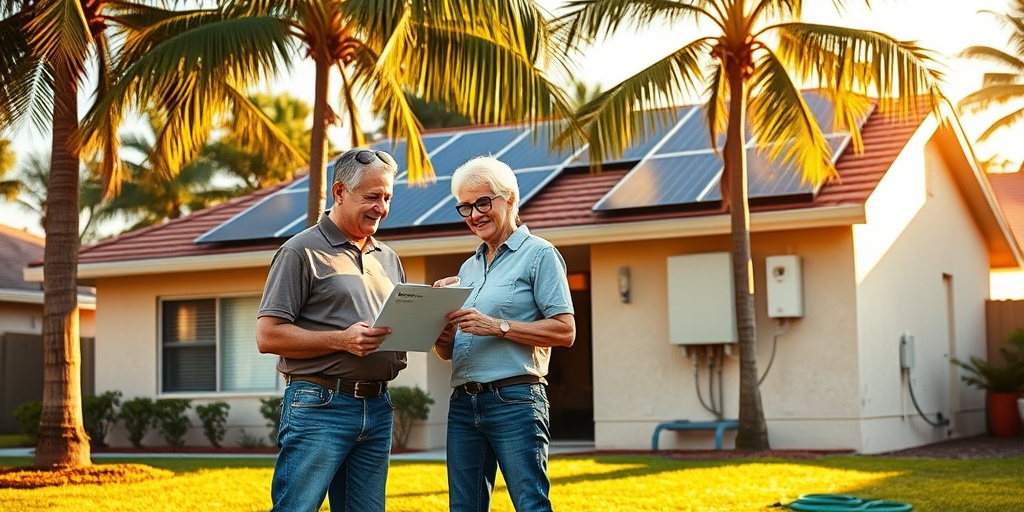
Don’t Risk It: Critical Solar Scams Florida Homeowners Must Avoid. Did you know that according to the Solar Energy Industries Association, Florida ranks second in the nation for solar installations, with a staggering 5,900 megawatts (MW) of installed solar capacity? As the popularity of solar power skyrockets, so do the risks associated with it. In fact, a recent report found that around 60% of homeowners feel overwhelmed by the multitude of solar options available, paving the way for potential scams (SEIA.org). As a Florida homeowner, it’s essential to stay informed about these risks, especially as we approach 2025, a pivotal year for solar incentives and regulatory changes. This blog will illuminate the critical solar scams Florida homeowners must avoid and provide actionable steps to protect your investment. We will delve into real-life scenarios, detailed checklists, crucial myth-busting facts, and technical insights. By the end, you’ll have the tools and knowledge needed to navigate the solar landscape safely.
Unveiling Solar Scams: The Importance of Awareness
Imagine receiving a knock on your door from a smooth-talking salesperson who claims they can cut your energy bills in half with a special solar offer. Initially, it sounds appealing, but have you done your research? Many Florida homeowners have been caught up in what seemed like a golden opportunity only to find themselves trapped in a web of deceit.
Take the case of the Anderson family from Tampa. They were approached by a contractor who promised them impressive energy savings and tax rebates. Enthused, they signed a contract to install a new solar system. Months later, they discovered that the contractor had received upfront payments and never completed the work. Sadly, this is just one of the many stories of unfortunate homeowners who fell victim to scams fueled by rising energy costs and tax incentives that attract shady entities into the solar market.
Your decision to install solar power not only aims to save on electric bills but also contributes to a sustainable future. However, without the right knowledge, you risk becoming a victim yourself. In 2025, Florida’s solar incentives will dramatically change, putting increased pressure on homeowners to make swift decisions. It is crucial to understand how to avoid scams that could jeopardize your investment.
Through this blog, we will explore:
- Real-life stories of solar scams in Florida.
- A comprehensive checklist for avoiding fraudulent offers.
- Myths that may hinder your solar journey.
- Focus on how Florida-specific issues contribute to the problem.
- A deep dive into the technical aspects of solar installations that protect consumers.
The Dark Side of Solar: Real-Life Scams and Their Fallout
Florida homeowners must become educated on the dark side of solar energy. The rise in solar technology adoption has brought with it a surge in misinformation and fraudulent schemes.
For instance, a recent case involved a Miami resident who was scammed after signing a contract that promised no upfront costs for solar installation. However, the fine print revealed exorbitant hidden fees that nullified any potential savings. Such deceptive practices often prey on those seeking to invest in renewable energy without fully understanding the complexities of the market.
Case Study: The Johnson Family’s Mistake
The Johnson family from Orlando thought they had made a smart investment when they encountered a flyer boasting incredible savings on solar installations. The contractor showcased glossy brochures and testimonials but failed to provide verifiable references. They were entranced and signed on the dotted line. After two months of waiting for installation, they received a visit from another company, which informed them that the initial work didn’t even meet local building codes. Ultimately, the Johnsons lost over $10,000 and became a cautionary tale.
Checklist to Avoid Scams
- Step 1: Research Contractors Thoroughly. Check for state licensing, reviews, and Better Business Bureau ratings.
- Step 2: Get Multiple Quotes. Don’t settle on the first offer; comparing can expose deceptive pricing tactics.
- Step 3: Understand Financing Options. Be wary of offers that sound too good to be true—always read the fine print.
- Step 4: Verify Credentials. Ensure your contractor is accredited by organizations like NABCEP (North American Board of Certified Energy Practitioners).
- Step 5: Trust Your Gut. If something feels off, it probably is. Don’t hesitate to walk away.
These steps could prevent you from becoming the next victim in the solar energy saga. It’s essential to keep a vigilant eye on offers that claim to alleviate your energy costs without substantial evidence.
Myth-Busting: Common Misconceptions Debunked
Clear the fog of misinformation around solar energy by debunking common myths that can lead Florida homeowners astray.
Myth #1: “All solar panels are the same—price is the only factor.” This couldn’t be further from the truth. Factors such as efficiency, warranty, installation quality, and brand reputation significantly impact performance and overall value.
Myth #2: “Installing solar panels is just a cash grab.” This myth is propagated by those who have had negative experiences. When installed correctly, solar panels can drastically reduce long-term energy costs. According to Energy.gov, homeowners can save thousands on electricity bills within 20 years.
Myth #3: “You can’t produce solar energy during cloudy days.” While it’s true that solar panels are more effective in direct sunlight, they can still generate energy in diffuse light. According to a study, solar panel systems can produce energy even under 80% cloud cover.
Myth #4: “Solar is too expensive to install.” With federal and state incentives, tax credits, and financing options, the upfront costs of solar installations are lower than many realize. In fact, homeowners can often see a return on investment within 5 to 7 years (SEIA.org).
Myth #5: “Smaller, local companies can’t provide competitive pricing.” Often, local companies offer personalized service and community support. They may often have lower overhead costs, enabling them to provide more competitive pricing than larger national companies.
Debunking these myths not only empowers you as a consumer but also makes you a formidable force against dishonest practices in the solar industry.
Understanding Florida-Specific Concerns
Florida has its own unique challenges when it comes to solar energy, ranging from local legislation to prevalent scams. The state’s deregulated energy market can lead to widespread confusion, making it easier for shady companies to exploit unsuspecting homeowners.
Consider this: Florida ranks first in the nation for solar growth projections, but its regulatory environment can lead to misleading claims about state incentives. In fact, only about 30% of Floridians are aware of their rights regarding solar power generation (DSIREUSA.org). This lack of awareness can lead to poor decisions and scam susceptibility.
Assessing Legal Protections
- Legal Protection: Florida’s Solar Rights Act protects homeowners from homeowner association (HOA) restrictions against solar installations.
- Net Metering: Residents are eligible for net metering, allowing credit for excess energy produced.
- Clean Energy Incentives: Explore energy tax credits available at the federal and state levels, which can cover a significant portion of installation costs.
Being aware of these factors can help you navigate the solar landscape effectively while avoiding the traps set by deceptive installers.
Technical Deep Dive: Securing Your Solar Investment
Understanding the technicalities behind solar panels and energy systems can provide essential insights into how to protect your investment. Let’s examine the key components of a solar energy system.
Solar Panels: Different types of solar panels, such as monocrystalline, polycrystalline, and thin-film, have varying efficiencies and costs. Each installation should be custom-designed to suit individual energy needs and space constraints.
Inverters: The inverter converts direct current (DC) generated by solar panels into alternating current (AC) for home use. A reliable inverter can enhance energy efficiency, so prioritize reputable brands and warranties.
Batteries: Energy storage systems allow homeowners to store excess energy for later use. This is especially beneficial in Florida, where hurricanes may disrupt electrical service. Having a battery backup can provide peace of mind during outages.
- Ensure that your solar installation includes high-quality products.
- Confirm that your installer offers adequate warranty coverage for all elements.
- Stay educated on the latest technological advances that can further enhance your solar energy system.
With the rapid advancements in solar energy technologies, exploring these features will maximize your savings and energy independence.
Next Steps for Florida Solar Buyers in 2025
Now that you’re armed with knowledge, let’s create a comprehensive action plan to ensure a smooth solar journey in 2025.
- Step 1: Audit Your Electric Bill. Analyze your current energy consumption to determine your solar needs.
- Step 2: Research State Incentives. Stay updated on the latest tax credits and programs that can aid in financing your solar installation.
- Step 3: Explore Financing Options. Whether you’re considering a solar loan or purchasing upfront, comparing multiple financial products can yield the best results.
- Step 4: Consult Local Experts. Always utilize trusted resources to ensure you’re working with reputable companies.
- Step 5: Join Local Networking Groups. Find like-minded individuals who share your interest in solar energy; their experiences can guide you through the process.
Remember, each step you take should focus on reducing friction and ensuring that you make an informed decision. The stakes are high, given the complexities of the solar landscape.
In conclusion, the decision to embrace solar energy is immense, carrying with it both opportunities and risks. Knowledge is power, and arming yourself with the understanding of solar scams, technical specifics, and local regulations will not only protect your investment but also put you in a position of authority. In an era where solar energy is becoming increasingly viable, make sure that when you take that next step, you do so with unwavering confidence. Ready to start your solar journey in 2025? Connect with a certified expert at floridaelectricandsolar.com today.
Related Articles
More insights about Solar Scams

Warning: Don’t Overlook These Solar Scams to Avoid

Don’t Miss This Critical Alert About Solar Scams

Don’t Ignore These Critical Solar Scams to Avoid
Ready to Go Solar?
Have questions about solar energy? Our experts are here to help you make the switch to clean, renewable energy.