
A Technical Deep-Dive Into Solar Panel Maintenance Techniques
Share:
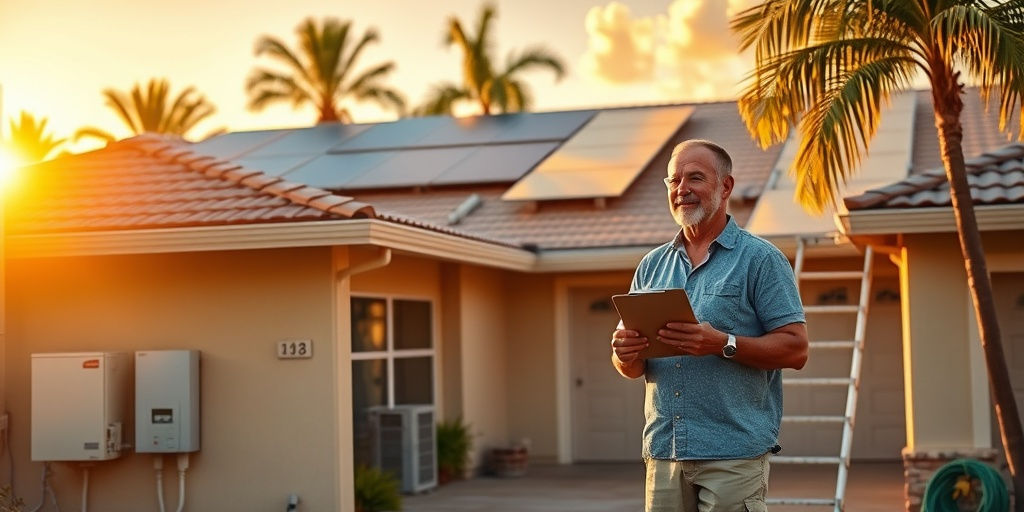
As the sun shines bright over the state of Florida, many homeowners are turning to solar energy to combat rising electricity costs and embrace sustainable living. Did you know that over 23% of Florida’s residential energy comes from solar—a figure that continues to rise annually? By 2025, that number is projected to increase significantly, fueled by state incentives and falling solar technology costs (SolarReviews.com). If you’re among the growing number intrigued by the potential savings and sustainability of solar energy, understanding the necessary maintenance techniques is a crucial first step. Welcome to **A Technical Deep-Dive Into Solar Panel Maintenance Techniques**. Proper maintenance plays a pivotal role in ensuring optimal solar panel performance and safeguarding your investment for years to come. In this post, we will explore the intricate world of solar panel maintenance, focusing specifically on five key areas: a robust case study, maintenance checklist, myth busters surrounding solar upkeep, local insights tailored for Florida residents, and a comprehensive technical analysis of solar technology and billing systems. Let’s dive in!
A Deep Dive Into Solar Panel Maintenance Techniques
Imagine the Johnson family, who made the leap to solar energy three years ago. With their panels installed on a sunny June afternoon, the family eagerly anticipated their new lifestyle of energy independence and reduced bills. Initially, they were thrilled; their energy costs plummeted by 50%. However, as months passed, they noticed a concerning dip in solar output. This decrease led to an important lesson: routine maintenance is crucial for optimal performance. In this section, we will delve into their experience and provide insights on how to maintain solar panels effectively.
- Step 1: Regular Visual Inspections
- Step 2: Professional Cleaning
- Step 3: Monitor Energy Output
- Step 4: Check Electrical Connections
- Step 5: Review and Update Inverter
Homeowners should conduct monthly visual inspections of panels to anticipate any problems. Look for debris, dust, or leaves obstructing sunlight. In Florida, the heavy rains might wash away some dirt, but substantial debris can still accumulate.
Enlisting a professional cleaning service at least annually ensures that the panels are properly maintained and can maximize output without damage. Depending on the number of trees surrounding your home, you might need a more frequent clean.
Keeping an eye on your energy output through your solar monitoring system can help you spot issues early. If output is notably lower than expected, it may be time to inspect the connection or call in an expert.
Inspect electrical connections every six months for signs of wear or corrosion. Florida’s humid weather can be particularly detrimental to electrical equipment. An improperly maintained system can lead to inefficiencies (Energy.gov).
Inverters are a vital component of your solar energy system. Regularly check that your inverter is functioning correctly, as this optimizes the efficiency of the entire system. Keep documentation of any updates for records and any future troubleshooting needed.
The Johnsons learned that neglecting these steps could significantly impact their savings. They found that the better they maintained their solar panels, the more green energy they captured and the greater their return on investment—a powerful incentive for any homeowner.
Debunking Common Solar Maintenance Myths
As Florida homeowners consider transitioning to solar energy, numerous myths may cloud their understanding, leading to hesitancy or maintenance negligence. Let’s clear the air with a breakdown of common misconceptions about solar panel maintenance.
- Myth #1: Solar Panels Don’t Need Maintenance
- Myth #2: Rain is Enough to Clean Solar Panels
- Myth #3: Once Installed, Solar Energy Systems Run on Autopilot
- Myth #4: I Can Handle All Maintenance Myself
- Myth #5: All Solar Maintenance Costs Are High
While solar panels are designed to last 25 years or more, regular maintenance is essential. Neglect can cause a drop in efficiency and potentially lead to costly repairs. In fact, studies show properly maintained systems can operate at over 90% efficiency (NREL.gov).
While rain helps to some extent, it often isn’t sufficient to remove all dirt and debris. A thorough cleaning may sometimes be necessary, especially after pollen season or storm events.
Even the best systems need routine checks and maintenance. Solar setups involve complex technologies that can encounter issues if not monitored or serviced properly. Ensuring everything remains in optimal condition is the best way to protect your investment.
While simple inspections can be conducted by homeowners, some aspects—like inverter checks—are best left to professionals. They have the necessary experience and equipment to safely service your system without risking damage.
Regular maintenance is a small price to pay compared to the savings enjoyed long-term. Investing in maintaining your solar panels can yield significant returns due to efficiency and longevity.
It’s clear that effective solar panel maintenance empowers homeowners to maximize their renewable energy investments. The essential takeaway is to engage with qualified professionals to ensure optimal performance, particularly our sizzling Florida market where the sun shines brightest and our energy savings await!
Florida-Specific Best Practices for Solar Panel Maintenance
Florida’s unique weather patterns add another layer to solar panel maintenance. Owners must consider specific local conditions that can affect their systems. Adapting to these practices will lead to successful energy generation, allowing homeowners to thrive in this sunny state.
- Consider Solar Panel Orientation: Effective orientation ensures your panels work efficiently, capturing the maximum sunlight throughout the day. South-facing arrays usually optimize performance (SEIA.org).
- Monitor for Storm Damage: After a heavy storm, inspect panels for debris and ensure no branches are hanging over your installation. Florida is prone to hurricanes and tropical storms that can adversely affect your solar array.
- Utilize Florida-Friendly Planting Techniques: Landscaping can impact solar efficacy. Plant trees that won’t grow too tall, offering shade in the right spots without obstructing solar access.
- Participate in Local Solar Programs: Many Florida counties offer incentive programs for solar energy. Engaging with local initiatives can provide both financial incentives and useful maintenance resources (DSIREUSA.org).
- Schedule Annual Professional Inspections: Periodically scheduling expert inspections ensures optimal operating conditions, identifying potential problems before they escalate.
The Florida sun offers an incredible opportunity for energy independence, but it requires a commitment to effective maintenance strategies. By implementing these practices, homeowners can take full advantage of their solar power systems.
Next Steps for Florida Solar Buyers in 2025
As we approach 2025, prospective solar buyers should take actionable steps to ensure a smooth and effective transition into solar energy. Here’s a comprehensive plan for Florida homeowners ready to invest in solar power.
- Step 1: Audit Your Electric Bill
- Step 2: Research and Select Qualified Professionals
- Step 3: Understand Local Regulations and Incentives
- Step 4: Schedule an Inspection Before Installation
- Step 5: Engage in Regular Maintenance
Understanding your current electricity consumption sets the baseline for evaluating your solar system’s size. Identify peak usage times and discuss them with a professional installer.
Look for certified solar installers. They should have strong reviews and experience in the Florida market, ensuring that your system is tailored to local conditions.
Stay informed about Florida local policies and incentive programs that affect solar installations. Researching programs can provide significant savings and rebates.
Prior to installation, have a qualified technician inspect your roof and electrical systems to confirm everything is suitable for solar panels.
Once your solar panels are installed, commit to a maintenance routine that includes regular inspections and professional cleaning services.
This plan serves as a roadmap to assist you in successfully embracing solar power while maximizing energy savings. In light of Florida’s unique solar opportunities, maintaining your system will ensure long-term efficiency and production.
Conclusion
Making the decision to go solar in Florida opens doors not only to energy savings but also to environmental stewardship. Throughout **A Technical Deep-Dive Into Solar Panel Maintenance Techniques**, we’ve explored the essential steps necessary for optimal solar panel maintenance, empowering you to safeguard your investment as energy prices rise in 2025. Through our shared lessons—like with the Johnson family—it’s evident that a commitment to regular maintenance translates into improved energy efficiency and longevity of the system. With Florida on the verge of expanding its solar footprint, there’s no better time to embrace the solar transition actively. Take control of your energy future and foster a clean, sustainable environment for your family today.
Ready to start your solar journey in 2025? Connect with a certified expert at floridaelectricandsolar.com today.
Related Articles
More insights about Solar Panel

Florida Homeowners: Why Solar Panel Maintenance Is Essential

7 Essential Steps for Solar Panel Installation Success

Expert Insights: Key Factors Influencing Solar Panel Lifespan
Ready to Go Solar?
Have questions about solar energy? Our experts are here to help you make the switch to clean, renewable energy.