
What You Need to Know About Energy Independence with Solar
Share:
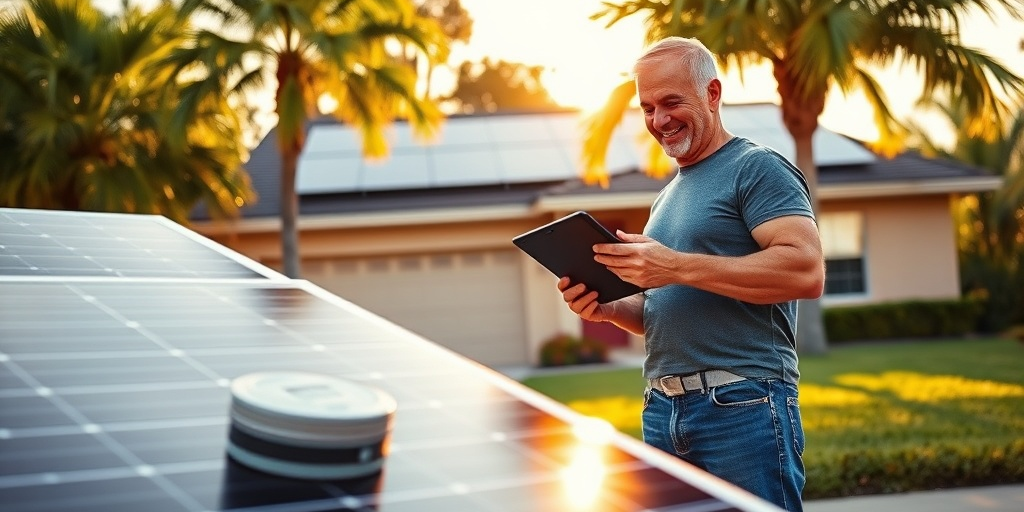
Imagine waking up every morning to the sound of nature, the sun shining brightly overhead, and knowing that your home is fully powered by clean, renewable energy—without the worry of rising utility bills or grid instability. For Florida homeowners, this dream is becoming a reality thanks to off-grid solar systems. The idea of energy independence is not just a trend—it’s an urgent necessity in 2025. With electric rates soaring by approximately 5% each year (U.S. Energy Information Administration), and with an increasing number of residents seeking alternatives to grid dependency, understanding how to achieve energy independence with solar is crucial. This is where our guide, What You Need to Know About Energy Independence with Solar, comes into play. We’ll explore how solar energy can provide you with control over your energy use, reduce your carbon footprint, and potentially save you thousands of dollars in energy costs. In this comprehensive post, we will cover the following sections:
1. Real-life impacts of solar energy through case studies and community stories.
2. A methodical checklist to guide you in your solar journey.
3. Common myths about solar energy and the reality behind them.
4. Florida-focused insights that highlight local incentives and statistics.
5. A technical dive into the components of solar systems and their benefits.
In 2025, the significance of off-grid solar systems has never been more apparent. As climate change affects the reliability of traditional power sources and solar technology becomes increasingly affordable, homeowners have a unique opportunity to harness the sun’s power. If you’ve ever thought about true energy independence, now is the time to make the switch.
Real-Life Impacts of Solar Energy
Picture Sarah, a single mother living in a cozy suburban home in Orlando, Florida. Sarah was exhausted by the monthly hike in her utility bills, not to mention the trouble of frequent power outages during summer storms. In early 2025, after some serious consideration and a chat with a neighbor who had gone solar, Sarah made the transformative decision to invest in an off-grid solar system. After contacting a local expert from floridaelectricandsolar.com, she learned that she could not only reduce her reliance on the grid but also insulate herself from the unpredictable costs of energy. A year later, Sarah was enjoying not only lower energy bills but also a stable source of power, even during outages—a firm validation of how solar energy can dramatically alter lives.
Here are key elements that led to Sarah’s successful transition:
- Understanding the Costs: With Florida’s average electricity rate at $0.12 per kWh (EIA.gov), Sarah crunched the numbers with an estimate showing savings upwards of 30% on her energy bill with solar.
- State Incentives: Sarah was proactive in applying for solar incentives like the Federal Investment Tax Credit (ITC), which allowed her to deduct 30% of her installation costs from her federal taxes—an incentive available until the end of 2032 (IRS.gov).
- Home Value Increase: According to a 2022 study, homes with solar energy systems can sell for about 4.1% more than similar homes without. This potential boost in home value reassured Sarah that she was making a worthwhile investment.
- Choice of Systems: She learned about the difference between grid-tied and off-grid systems, choosing the latter due to the independence it offered.
- Battery Storage: To support her family’s needs during rainy days when solar production might dip, Sarah invested in a quality battery storage system, allowing her to maintain a steady power supply.
Through her carefully calculated decisions, Sarah transformed not just her home but her lifestyle, achieving energy independence with the power of solar. Her story is representative of a larger trend—Florida is becoming a hotbed for solar energy adoption. In fact, a recent report revealed that Florida ranks third in the nation for solar photovoltaic capacity, boasting over 6,800 megawatts installed (SolarEnergyIndustriesAssociation.org)—a testament to the growing appeal of energy independence.
A Methodical Checklist to Guide You in Your Solar Journey
If you’re considering going solar, it’s essential to follow a structured checklist that will help streamline the process and address potential roadblocks. Here’s a simple yet thorough framework to guide you from curiosity about solar power all the way to installation.
- Step 1: Audit Your Energy Needs
- Step 2: Research Local Solar Companies
- Step 3: Understand the Types of Solar Systems
- Step 4: Evaluate Financing Options
- Step 5: Schedule an Installation
Start by assessing your electricity consumption over the past year. Review your utility bills to determine your average monthly usage. This data will help tailor a solar system that meets your specific needs.
Look for reputable solar installation companies in Florida. Check their reviews on platforms like SolarReviews.com and ask for recommendations from neighbors or community groups.
Familiarize yourself with various types of solar systems—grid-tied, off-grid, and hybrid. Knowing the limits and advantages of each can clarify the best choice for your situation.
Explore options such as cash purchases, solar loans, and leases. Be sure to inquire about Florida-specific state incentives to maximize your return on investment.
Once you’ve made an informed decision, schedule a site assessment with your chosen solar provider. They will determine the best placement and sizing for your solar panels based on your home’s roof orientation and sunlight exposure.
By following these essential steps, you will navigate the solar landscape like a pro. Remember, each decision contributes to a brighter, more energy-independent future.
Common Myths about Solar Energy
Despite the vast benefits offered by solar energy, many misconceptions continue to cloud judgment among potential users. Let’s debunk a few prevalent myths:
- Myth #1: Solar Power is Too Expensive
- Myth #2: Solar Energy Only Works in Sunny States
- Myth #3: Solar Panels Require a Lot of Maintenance
- Myth #4: Installing Solar Panels Will Make Your Roof Unsafe
- Myth #5: You Can’t Sell Your Home with Solar
While the initial investment can seem daunting, solar installation costs have decreased by nearly 70% over the last decade (SEIA.org). When factoring in state incentives and long-term savings on utility bills, solar can actually save homeowners money.
While Florida indeed enjoys an abundance of sun, solar panels can still produce energy on overcast days. Even during less sunny weather, solar can generate significant power, making it reliable year-round.
In reality, solar panels are designed for durability and require minimal maintenance—an occasional cleaning and routine inspections are typically enough to keep them running efficiently.
Qualified and certified installers ensure that solar panel installations are not only safe but actually help protect your roof by providing an additional layer of insulation and reduce wear caused by the elements.
Conversely, homes with solar installations are often more attractive to buyers, providing increased resale value and lower energy costs— making your home a hot commodity in the market.
Understanding the facts over the myths surrounding solar energy can empower you to make an informed decision and embrace energy independence with confidence.
Florida-Focused Insights
Florida is not just the Sunshine State; it is also a promising frontier for solar energy. Understanding the local landscape can help you maximize the benefits of going solar. Let’s explore a few key insights exclusive to Florida:
- Local Incentives and Rebates: The state offers significant incentives for homeowners who choose to install solar panels, including sales tax exemptions and county-specific rebates. This can significantly lower the installation cost, making your investment even more worthwhile.
- Net Metering Availability: Net metering allows homeowners to receive credits for the excess energy they generate and send back to the grid. This can effectively reduce your energy bill to zero if your system is designed to meet your electric needs.
- Weather Resilience: Florida’s climate, characterized by extended sun exposure and a fairly predictable seasonal cycle, lends itself ideally to solar production, ensuring energy independence is not only feasible but increasingly efficient.
- Community Solar Programs: Explore local community solar programs that allow you to invest in solar energy even if your home isn’t ideal for installation. This opportunity broadens access to solar energy even for renters or properties with shaded roofs.
- Local Solar Success Stories: Numerous Florida communities have fully embraced solar solutions. Cities like Clearwater and Gainesville are renowned for their ambitious renewable energy goals and successful solar initiatives, paving the way for more residents to follow suit.
By keeping these Florida-centric insights in mind, you can make educated decisions and leverage available resources, which will lead to a successful solar journey.
Technical Deep Dive: Components of Off-Grid Solar Systems
When delving into the technical aspects of solar energy, understanding the components of an off-grid system is critical. An off-grid solar system functions independently of the traditional power grid, meaning you are in control of your energy production and consumption. Let’s explore the key components:
- Solar Panels: Solar panels are the heart of your system, harnessing sunlight and converting it into electricity. They come in various types, including monocrystalline, polycrystalline, and thin-film, each with unique efficiencies and costs.
- Batteries: Energy storage is vital for off-grid systems, as it enables you to utilize stored energy during periods of low sunlight or nighttime. Battery types include lead-acid, lithium-ion, and flow batteries, varying by lifespan, capacity, and efficiency.
- Inverters: Inverters convert the direct current (DC) produced by solar panels into alternating current (AC), which powers most household appliances. There are string inverters, microinverters, and hybrid inverters to choose from based on system complexity.
- Charge Controllers: These devices regulate the charge going into batteries, protecting them from overcharging and prolonging their lifespan. It’s essential to select the right controller based on the battery type and system design.
- Backup Generator: Including a backup generator as part of your solar setup can provide additional reliability during extended periods of low solar production, ensuring you always have power when needed.
Understanding these components will empower you to choose the right system that fits your energy needs and lifestyle. As technology advances, keeping informed of improving efficiencies will also enable you to maximize your return on investment.
Next Steps for Florida Solar Buyers in 2025
As you explore the prospect of going solar, following a clear action plan will set you on a path to energy independence. Here are the essential next steps to consider:
- Step 1: Audit Your Electric Bill
- Step 2: Consult Solar Experts
- Step 3: Explore Incentives
- Step 4: Choose the Right Installation Team
- Step 5: Get Started!
Review your current electric bills to find your average usage, peak times, and cost per kWh. This data is crucial for determining your solar needs.
Schedule consultations with local solar companies to explore your options. Gather multiple quotes and verify credentials to ensure you make an informed choice.
Research local, state, and federal incentives. These tax credits and rebates can significantly reduce your upfront costs and improve your return on investment.
Select a certified solar installer with a track record of successful installations. Examine their warranties, after-sales support, and customer reviews to guarantee quality workmanship.
Once you’ve completed your research and decision-making process, finalize your agreements and prepare for installation. Enjoy the journey toward energy independence!
By understanding and applying these steps, you’ll transition smoothly into a solar lifestyle—one that protects you and your family against rising energy costs while positively impacting the environment.
As we conclude our exploration into energy independence with solar, it’s clear how vital this energy transition is for Florida homeowners in 2025. With rising utility costs, climate uncertainty, and compelling incentives, now is the time to act. The benefits of solar power not only afford you reduced energy bills but also contribute to a cleaner, greener planet for future generations. Take control of your energy future today!
Ready to start your solar journey in 2025? Connect with a certified expert at floridaelectricandsolar.com today.
Related Articles
More insights about Energy Independence

Myth: You Can’t Achieve Energy Independence With Solar

Myth-Busting Energy Independence: What You Really Need to Know

Myth: Energy Independence Is Impossible for Florida Homeowners
Ready to Go Solar?
Have questions about solar energy? Our experts are here to help you make the switch to clean, renewable energy.