
Insider Tips for Choosing the Right Inverter for Solar Systems
Share:
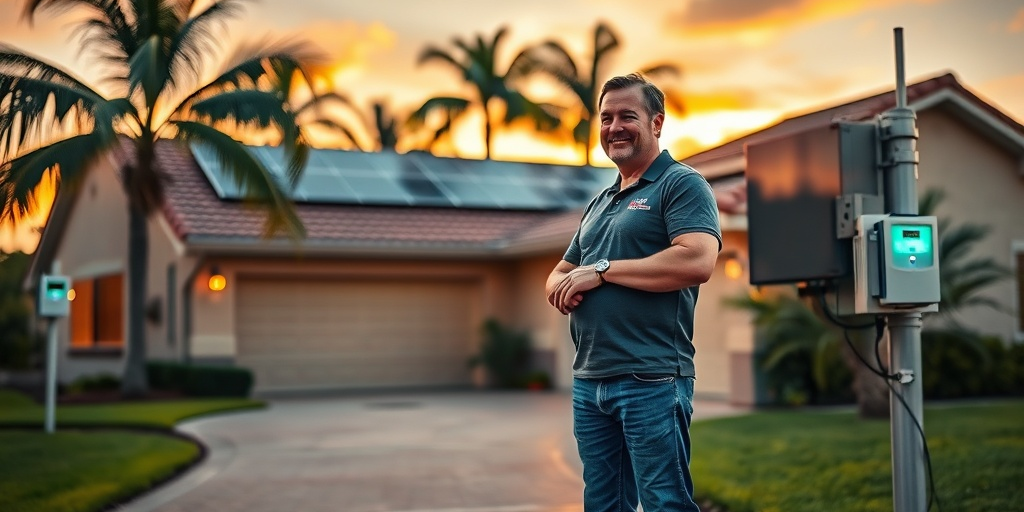
Imagine a world where your electricity bill is not just a monthly burden but a gateway to freedom—freedom from fluctuating energy prices, dependence on fossil fuels, and the constant worry of power outages. In sunny Florida, achieving this dream is more tangible than ever. With the state poised to become a leader in solar energy consumption, the choices homeowners make now can significantly impact their savings and sustainability for years to come. One of the most critical decisions in leveraging solar power is selecting the right inverter, the heart of any solar energy system. In this comprehensive blog post titled “Insider Tips for Choosing the Right Inverter for Solar Systems,” we will illuminate how this essential component can amplify your system’s efficiency. According to the Solar Energy Industries Association (SEIA), Florida has a solar capacity of over 9,000 megawatts (MW), making it the third-largest solar market in the United States. Moreover, with residential energy consumption rising by about 3% annually, understanding the nuances of solar technology, particularly inverters, is more urgent than ever, especially as we approach 2025 and new incentives come into play.
This guide offers expert insights, paving the way for you to make informed decisions. We will delve into five essential sections: a deep dive into inverter types and technical aspects, a checklist for evaluating your options, a myth-buster focusing on common misconceptions, best practices for installation, and a detailed action plan tailored to Florida homeowners eager to harness solar energy.
A Comprehensive Dive into Inverter Types and Technical Specifications
When it comes to solar systems, choosing the right inverter is akin to choosing the right engine for your car—it affects performance, efficiency, and longevity. Let’s explore the various types of inverters available, their advantages, and why knowing this can considerably impact your solar experience.
Meet the Gonzalez family from Miami, who decided to switch to solar in 2025 to take control of their electric bills. After significant research and consulting with local experts, they discovered that selecting a high-quality inverter could make or break their solar experience. They learned that their system could range from a small micro-inverter setup to a conventional string inverter. Micro-inverters are ideal for roofs with shading issues, while string inverters are often more cost-effective for straightforward installations. The Gonzalez family ultimately opted for micro-inverters, realizing this choice could increase their solar efficiency by as much as 20% (Energy.gov).
- String Inverters: These are the most common type and work best in applications where panels receive similar amounts of sunlight. If properly installed, these can be very efficient and cost-effective for larger installations.
- Micro-Inverters: Each panel has its inverter, allowing them to operate independently. They can optimize energy output significantly, making them ideal for rooftops with shading or mixed orientations.
- Power Optimizers: Similar to micro-inverters, these work at the panel level but feed into a central inverter. Relying on power optimizers can enhance the performance of traditional string inverters.
As Florida homeowners know, local weather can impact solar efficiency. Florida’s summers often bring storms, and micro-inverters offer an extra layer of resilience by ensuring that even if one panel is obstructed, the others continue to generate energy. Additionally, many installers in Florida recommend inverters with robust warranties. The average lifespan of a solar inverter is about 5-10 years; the best ones have warranties extending to 25 years (SolarReviews.com).
To summarize, here are some steps you can take:
- Research each inverter type and its efficiency ratings.
- Consult local experts to assess your roof’s angle, shading, and sun exposure.
- Evaluate power consumption and future needs when selecting an inverter.
Making the right choice can lead to significant long-term savings, ensuring the Gonzalez family—and you—get a solid return on your investment as Florida’s solar landscape evolves.
A Practical Checklist for Choosing Your Inverter
Now that we have covered the types of inverters available, it’s time to present a practical checklist to guide you in picking the right one. This systematic approach ensures you don’t miss vital considerations that can affect your solar layout.
- Step 1: Assess Your Energy Needs: Understand how much energy you consume daily. This will help in sizing the inverter correctly.
- Step 2: Evaluate Roof Conditions: Take note of shading, roofing material, and the angle of your roof. These factors can impact inverter choices greatly.
- Step 3: Compare Efficiency Ratings: Look for inverters with high efficiency ratings, as these will convert more energy from your panels into usable electricity.
- Step 4: Consider the Warranty: Inverters have a shorter lifespan than solar panels. Choose one with an extensive warranty for peace of mind.
- Step 5: Account for Future Needs: If you plan to expand your solar system in the future, select an inverter that can handle the added capacity.
By following these steps, you can confidently choose a solar inverter that aligns with your energy goals. Remember, convenience is key in a solar journey—each of these components plays a vital role and cannot be overlooked. Choosing wisely can open the door to maximizing solar savings across Florida.
Myth-Busting Solar Inverter Misconceptions
In the world of solar energy, misinformation can abound. Let’s clear the air by addressing common myths surrounding solar inverters and set the record straight.
- Myth #1: All inverters are the same.
In reality, there are significant differences in performance, warranties, and compatibility with various solar panels (NREL.gov). - Myth #2: You only need to think about inverters after installing panels.
This is misleading; the inverter type can influence your solar panel selection and overall system efficiency. - Myth #3: Inverter failure means I lose all power.
Most modern systems include a failsafe, allowing for backup power during inverter issues. - Myth #4: You don’t need to maintain or monitor your inverter.
Regular check-ups on inverter health can increase system lifetime, ensuring proper function (SolarReviews.com).
Understanding the truth behind these myths will empower you to make better decisions. Arm yourself with knowledge and separate fact from fiction, alleviating any confusion as you navigate the solar landscape.
Best Practices for Solar Installation in the Sunshine State
As we look toward the future of solar energy in Florida, implementing the best installation practices can ensure maximum efficiency and reliability. Here are five expert tips to consider:
- Do Not Skimp on Panel Placement: Proper placement of solar panels can make a remarkable difference in energy production. Ensure panels have ample exposure to sunlight without obstructions.
- Invest in Quality Components: Investing in a high-quality inverter now can save you considerable costs on maintenance and replacements later. Look for reputable manufacturers with high-efficiency ratings.
- Consult Local Installers: Every solar installation is unique, and consulting experienced local installers can help tailor solutions that match your home’s specific needs.
- Utilize Monitoring Systems: Implementing monitoring technology will allow you to track energy generation and inverter performance, ensuring they are working efficiently.
- Stay Informed of Policy Changes: Keeping abreast of local regulations, incentives, and policies surrounding solar energy can provide significant financial benefits.
These best practices are crucial as Florida homeowners prepare to invest in solar energy systems. With smart choices based on experience and expertise, you can maximize returns on your investment while contributing to a cleaner environment.
A Realistic Solar Journey through Florida
Let us take a moment to imagine the journey of a typical Florida homeowner, Maria, as she embarks on her solar adventure. Living in Orlando, Maria was tired of high utility bills and began to explore solar systems’ options in 2025. After careful consideration and thorough research, she opted to install a 6 kW system with a micro-inverter, allowing each panel to function independently. Maria worked closely with her local installer to take into account her roof’s shading and orientation, ensuring optimal placement.
- Research Phase: Maria started her journey learning about different types of inverters and the benefits they offered.
- Consulting Experts: She scheduled consultations with several local solar experts to gain insights into the best inverter for her needs.
- Installation: Installation day was a celebration; the expert team efficiently placed her panels and connected them to her chosen inverter.
- Regular Monitoring: After the installation, she installed a monitoring app, ensuring she could track energy efficiency and inverter performance.
Maria found herself saving about 40% on her monthly electric bills shortly after switching to solar. With Florida’s growing focus on renewable energy, she felt good knowing she contributed to sustainability while enjoying the financial benefits (Energy.gov). Maria’s story encapsulates the potential each Florida homeowner has to harness solar power effectively.
Next Steps for Florida Solar Buyers in 2025
As we reach the end of this informative journey, let’s recap the essential steps for Florida homeowners looking to make informed decisions regarding solar systems in 2025:
- Step 1: Audit Your Electric Bill: Understand your current costs and energy consumption to establish a baseline.
- Step 2: Research Inverter Options: Familiarize yourself with types of inverters and their efficiency ratings.
- Step 3: Get Multiple Quotes: Consult various installers to compare options, warranties, and pricing.
- Step 4: Understand Incentives: Stay informed about tax credits and local incentives available to Florida homeowners.
- Step 5: Begin Installation: Once ready, work with your chosen professionals to design a system tailored to your home.
By following these actionable steps, you can navigate the journey to solar energy with confidence, gaining insight and control over your energy costs while doing your part for environmental sustainability in Florida. Don’t hesitate to take the plunge—your future self will thank you for it.
In conclusion, this detailed exploration empowers you to make educated decisions while choosing the right inverter for your solar system. Timely choices made today can lead to prolonged savings, reduced carbon footprints, and energy independence as we hurtle into 2025. Start your journey toward solar energy with purpose and clarity—maximize your solar savings and own your power.
Ready to start your solar journey in 2025? Connect with a certified expert at floridaelectricandsolar.com today.
Related Articles
More insights about Inverter

5 Critical Steps for Choosing the Right Inverter

7 Essential Tips for Choosing the Right Inverter

Technical Deep-Dive: Choosing the Right Inverter for Your Solar System
Ready to Go Solar?
Have questions about solar energy? Our experts are here to help you make the switch to clean, renewable energy.