
Choosing the Right Inverter for Your Solar Panel Installation Explained
Share:
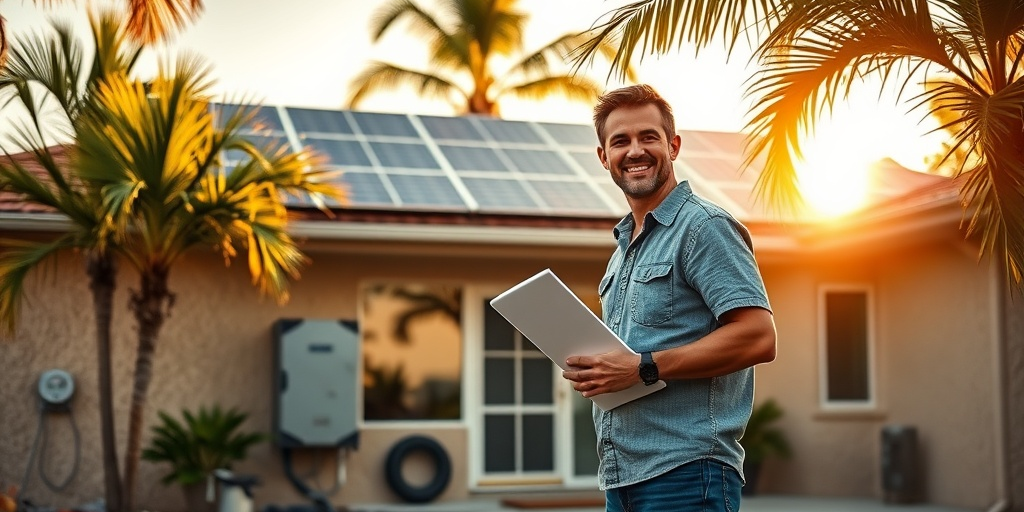
Have you ever considered how much power is flowing through your home? The average Florida household consumes about 1,000 kWh per month, with many residents experiencing shocking electric bills that eat into their hard-earned incomes. In light of rising energy costs and increasing demand for sustainability, homeowners are seeking alternatives, and many are turning to solar power in record numbers. However, a crucial component often overlooked is the inverter—the brain of your solar power system. If you’re interested in harnessing the sun’s energy effectively, then understanding the topic at hand is vital. This article, titled Choosing the Right Inverter for Your Solar Panel Installation Explained, delves into the intricacies of choosing the right inverter for your solar panel installation. Did you know that Florida ranked third in the U.S. for solar power capacity additions in 2022, adding about 8 gigawatts of solar energy (SEIA.org)? As we approach 2025, the urgency is heightened; state policies are increasingly favoring renewable energy, making this the perfect time for Floridians to invest in solar solutions. In this guide, we will explore five sections: a deep dive into inverter selection, a checklist for decision-making, common myths surrounding inverters, local considerations for Florida homeowners, and a technical analysis of the technology that powers your solar system. Let’s embark on this journey together.
Understanding the Core of Your Solar System: The Importance of Choosing the Right Inverter
In a typical solar panel installation, the inverter plays a critical role akin to that of a conductor in an orchestra—it harmonizes the energy produced by your solar panels and converts it into electrical energy suitable for home usage. An inverter can maximize the efficiency of your solar power system and, consequently, your savings over time. Yet, many homeowners overlook this integral component, focusing solely on the solar panels themselves.
Let’s take a closer look through a case study of a Florida homeowner named Sarah, who recently installed a solar power system. After doing her homework, Sarah became excited about harnessing solar energy, but she initially believed that all inverters were fundamentally the same. Upon consulting with Florida Electric & Solar, she learned about the different types of inverters available: string inverters, microinverters, and power optimizers, each with its pros and cons.
- String Inverters: Most common for residential systems, they connect all solar panels in a series. However, if one panel is shaded or underperforming, it can affect the entire system’s power output.
- Microinverters: These are attached to each solar panel, allowing for independent operation. This means that if one panel is affected by shading, it won’t impact the others.
- Power Optimizers: A hybrid of sorts, these devices are linked with string inverters, enhancing the performance of each panel while still using a centralized inverter.
According to the National Renewable Energy Laboratory (NREL), systems using microinverters can increase energy production by up to 25% in certain installations. Sarah opted for microinverters due to her shaded roof conditions, a decision that will lead to substantial savings over the lifespan of her solar panels.
Checklist for Choosing Your Inverter:
- Evaluate Your Roof’s Conditions: Consider whether shading affects your roof throughout the day.
- Determine Energy Needs: Analyze your household’s energy consumption and peak usage times.
- Assess Cost vs. Benefit: Factor in initial costs versus long-term savings on your energy bills.
- Look at Warranties: Consider inverters with longer warranties for peace of mind.
- Consult Professional Advice: Speak with solar industry experts to make an informed choice.
Unfortunately, a common misunderstanding among potential solar customers is the belief that any inverter will do. Myth #1: “Inverters are all created equally.” The reality is that each type serves different needs based on roofing, shading, and overall energy usage. By understanding the various options, you can make an informed decision tailored to your unique situation.
As Florida homeowners look to make the shift to solar energy, there are state-specific incentives that you can leverage to lower your upfront costs, making investing in the right inverter even easier. The Florida Solar Energy Center estimates that homeowners can save up to 30% off the cost of their system with available tax credits and local programs.
In summary, the choice of inverter in your solar panel installation is paramount to maximizing efficiency and savings. With an understanding of how inverters function and essential considerations when making your selection, you lay the groundwork for an effective solar power system.
Debunking Common Myths About Solar Inverters
Let’s tackle some myths that can cloud judgment when choosing inverters for solar power systems. It’s essential to base your decisions on facts rather than misconceptions.
- Myth #1: “All inverters are the same.”
Reality: Different types of inverters serve various purposes. Choosing the right one depends on your home’s unique energy requirements and setup. - Myth #2: “A more expensive inverter is always better.”
Reality: Price does not guarantee performance. Assessing your specific needs is necessary for making a beneficial investment. - Myth #3: “Inverters don’t affect energy production.”
Reality: The inverter type directly influences how efficiently your solar energy is harnessed and converted. - Myth #4: “Once installed, I don’t need to think about my inverter.”
Reality: Regular maintenance, including checking the inverter, is critical to ensure consistent performance. - Myth #5: “Inverters are too complicated to understand.”
Reality: Understanding your inverter is key to optimizing your solar experience. Don’t hesitate to ask your installer for clarifications.
These myths can lead to poor decision-making when investing in a solar energy system. In Florida, where solar panel installations have soared, being informed can save you money and enhance your energy independence.
Transitioning towards renewable energy doesn’t have to be a daunting task. By clarifying these misconceptions, Floridians can approach solar energy with confidence, ensuring they choose an inverter that aligns with their needs. To navigate solar energy options, consider consulting with an expert at floridaelectricandsolar.com.
Best Practices for Solar Inverter Installation in 2025
Looking forward to 2025 means understanding best practices that can optimize your solar investment. Here are five expert tips that every Florida homeowner should consider:
- Ensure Proper Placement: Don’t skimp on panel positioning. Panels should ideally be installed in areas with optimal sun exposure to maximize energy production.
- Regular Maintenance: Schedule routine checks of your inverter and solar panels. Like any technology, solar components require attention to prolong their life.
- Stay Updated on Incentives: Florida homeowners should regularly check for state and federal incentives to maximize savings. Programs can change, and new opportunities may arise.
- Consider Future Energy Needs: When installing your system, think about not just current needs but future energy usage. Additional panels may be more cost-effective if you foresee increasing energy demands.
- Choose Quality Components: Opt for reputable brands that offer solid warranties and have a track record of successful installations.
By following these tips, you can ensure your inverter is not just another piece of equipment, but rather a valuable asset helping you realize energy savings and independence. Remember, each step you take strengthens your solar journey.
The Solar Energy Journey: A Fictional Florida Homeowner’s Experience
Let’s take a stroll through a scenario involving a fictional Floridian homeowner, Mike, who embarked on his solar journey. Mike lived in a cozy condominium near Jacksonville, where rising energy rates had started to squeeze his budget. After seeing a neighbor seamlessly transition to solar energy, Mike felt inspired to explore his options.
Mike began by researching potential solar installations and learned about the importance of choosing the right inverter. He quickly discovered that with his home’s partial shade, he would be better off investing in microinverters, which could enhance solar production based on individual panel performance.
- Mike consulted with a certified solar expert who evaluated his energy use, roof orientation, and specific needs.
- Over several discussions, Mike learned about available tax incentives that would help reduce his initial investment.
- After deciding on a reputable installer, Mike underwent the installation process, which lasted only a few days.
- Finally, when his system went live, Mike couldn’t believe how much he would save—up to $1,200 annually on his energy bills.
According to a report by the Solar Energy Industries Association (SEIA), Florida’s solar market is expected to see significant growth through 2025, meaning more neighbors might begin to convert to solar. Realizing his home had become more environmentally friendly while simultaneously reducing his expenses gave Mike a sense of accomplishment.
In this journey, we see how informed choices about inverters not only transformed Mike’s home but also set a precedent for his community, encouraging more Floridians to make the switch to renewable energy. As the state moves toward legislative changes and expands incentives, now is the perfect time to adopt clean energy solutions.
Taking Action: Next Steps for Florida Solar Buyers in 2025
As we summarize, here are proactive steps for Florida homeowners serious about making the solar leap in 2025:
- Step 1: Audit Your Electric Bill: Understand how much energy you consume and evaluate your energy pricing structure.
- Step 2: Understand Financing Options: Explore different payment structures, including cash purchases, loans, or leases.
- Step 3: Research Installation Companies: Compare reviews and credentials to find reputable installers, like Florida Electric & Solar.
- Step 4: Involve Professional Advice: Consult with solar energy specialists to discuss your unique situation and get personalized recommendations.
- Step 5: Prepare for Installation: Ensure your home is ready by addressing any structural issues and finalizing permits.
By following these steps, you can lay the groundwork for a successful solar transition that aligns with your energy-saving goals.
Every choice you make takes you one step closer to energy independence while playing a part in protecting Florida’s environment. Engage with the resources available to you as you navigate this journey. For more tailored advice and insights, reach out to floridaelectricandsolar.com.
In conclusion, the journey towards solar energy in Florida is bright, clear, and empowering. As you evaluate your options, remember that choosing the right inverter is not simply a decision; it’s an investment in your future. By considering factors such as energy needs, panel orientation, and local incentives, you can create a solar system tailored for maximum performance. As 2025 approaches, the urgency to take action becomes evident—don’t wait for the next rising utility bill to prompt your shift to renewable energy. Together, we can illuminate Florida’s path to a sustainable future.
Ready to start your solar journey in 2025? Connect with a certified expert at floridaelectricandsolar.com today.
Related Articles
More insights about Solar Panel

Florida Homeowners: Why Solar Panel Maintenance Is Essential

7 Essential Steps for Solar Panel Installation Success

Expert Insights: Key Factors Influencing Solar Panel Lifespan
Ready to Go Solar?
Have questions about solar energy? Our experts are here to help you make the switch to clean, renewable energy.