
10 Essential Solar Panel Installation Tips for Florida Homeowners
Share:
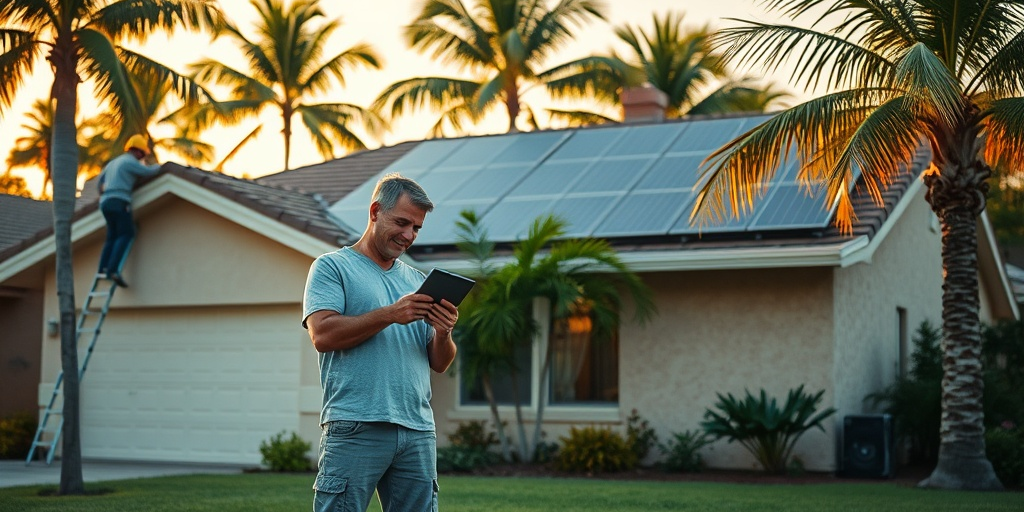
As energy prices continue to surge, Florida homeowners are feeling the crunch on their monthly utility bills. Did you know that, according to the Solar Energy Industries Association, Florida ranks second among U.S. states for solar power installation? In 2021 alone, Florida saw an increase of over 20% in residential solar installations. With such remarkable growth, it’s no wonder many are considering the switch to solar to save big on energy costs. In fact, by 2025, going solar isn’t just a luxury anymore; it may be essential for maintaining financial stability amidst rising energy prices and increased climate change pressures.
This article focuses on the 10 Essential Solar Panel Installation Tips for Florida Homeowners. These tips will help ensure a smooth setup while maximizing your utility bill savings from the start! From choosing the right installation team to understanding local regulations, our guide will equip you with everything you need to know. As we delve deeper, you’ll learn:
- How to choose the right installer.
- The importance of understanding local zoning regulations.
- Best practices for getting the optimal panel placement.
- How to finance your solar system seamlessly.
- Common myths about solar energy.
Solar energy is an investment in your property’s value and your family’s future. It’s imperative to be well-informed as you embark on this transformational journey toward energy independence.
Case Study: The Johnson Family’s Solar Transition
Imagine the Johnson family, lifelong residents of Naples, Florida, weighing the pros and cons of installing solar panels on their home. With three children and an ever-growing electric bill, they were desperate for ways to cut costs without sacrificing their quality of life. After researching various solar companies, they discovered that, on average, Florida homeowners who install solar can save up to $1,000 annually on energy costs (Energy.gov).
After extensive discussions with family and friends—and doing their due diligence on local solar laws and financial incentives—the Johnsons decided to take action. They reached out to a reputable local provider, Florida Electric & Solar, who guided them through the entire process, from installation to understanding the complex tax incentives available to them. They learned that going solar often comes with options like the 26% federal solar tax credit (as of 2022), which had been extended through the end of 2022 and is planned to decrease gradually thereafter (SEIA.org).
This case study exemplifies how Florida homeowners are making the leap into solar energy, not just for the cost savings, but for the environmental impact as well. Yet, not all installations are created equal. To navigate the solar landscape effectively, the Johnsons discovered that a solid checklist was essential for a successful solar setup.
Essential Solar Installation Checklist for Florida Homeowners
Implementing this checklist will help streamline your solar panel installation process. Below are Steps 1-5 that Florida homeowners should encompass in their strategies:
- Step 1: Research Local Solar Installers – An essential first step is to identify reputable solar installers in your area. Compare reviews, request quotes, and investigate each company’s history of projects. Check for licensing and credentials to ensure they’re certified (SolarReviews.com).
- Step 2: Understand Florida’s Solar Policies – Florida laws regarding solar energy are unique. Familiarize yourself with your local regulations, utility company policies, and the overall incentive landscape. Many homeowners overlook this aspect, which can lead to unexpected hurdles.
- Step 3: Assess Your Roof’s Suitability – Before you install, evaluate your roof’s condition and orientation. Panels should face south for maximum sunlight exposure. In some cases, you may need to consider roof repairs or replacements before installation.
- Step 4: Explore Financing Options – Understand the variety of financing options available. From buying your system outright to applying for solar loans or leases, knowing what fits your financial landscape is vital. Many lenders are offering attractive rates for solar loans as green energy becomes widely endorsed.
- Step 5: Document the Installation Process – Once installation begins, ensure that everything is documented properly. This will help in any future warranty claims or issues with the system, ensuring that you have recorded proof of workmanship and materials used.
This checklist is a fantastic starting point for many Florida homeowners eager to embrace solar energy. With correct information, you will avoid common pitfalls and lead a successful installation journey.
Myth-Busting Common Misconceptions about Solar Energy
As always, successfully navigating the solar waters requires separating fact from fiction. Here are some myths about solar panels in Florida that need debunking:
- Myth #1: Solar Panels Are Too Expensive – While upfront costs can seem steep, federal tax incentives and state rebates can significantly reduce your initial investment. Many homeowners experience fast returns due to energy savings.
- Myth #2: Solar Panels Only Work in Sunny Areas – While Florida is known for its sunlight, solar technology has advanced to the point where panels can still generate energy on cloudy days. The efficiency of modern panels allows for substantial production even in less-than-perfect conditions.
- Myth #3: I Can’t Afford Solar Panels Without a Large Down Payment – Homeowners now have flexible financing options available. Solar loans, leases, and even power purchase agreements (PPAs) allow you to install solar with little to no down payment.
- Myth #4: Solar Energy Is Only for Homeowners – Many businesses in Florida are taking the plunge into solar energy, recognizing the financial benefits. Solar is an invaluable resource for both residential and commercial properties.
- Myth #5: Solar Energy Isn’t Reliable – Florida homeowners can rely on solar due to advances in battery technology that store energy for use during outages or at night. Options like energy storage systems offer peace of mind, particularly during hurricane season.
Understanding these common myths will empower you to embrace solar energy with confidence, ensuring that you make informed decisions as a homeowner ready to invest in renewable energy. Solar energy is quickly becoming a staple for residents across Florida.
Best Practices for Seamless Solar Installation in 2025
The journey toward solar energy can be riddled with challenges, but there are best practices that can significantly simplify the process. Here are five essential installation tips:
- 1. Don’t Skimp on Panel Placement – Proper solar panel orientation maximizes energy production. Ensure panels are installed at an optimal angle and free from obstructions like trees or nearby buildings.
- 2. Prioritize Efficiency Over Big Names – While established brands may impress, newer, less expensive options might deliver similar performance. Research specifications and user reviews to find true efficiency.
- 3. Always Include Battery Storage – As energy independence becomes crucial, installing a battery storage system can ensure you harness and utilize more of the electricity generated by your panels.
- 4. Monitor Your System Regularly – Post-installation, it’s advisable to keep an eye on system performance. Utilize monitoring tools offered by solar providers to track energy output and spot irregularities.
- 5. Be Proactive with Your Installer Post-Installation – Don’t hesitate to contact your installer with queries or concerns regarding your system’s performance. They will support you through warranty periods and additional maintenance options.
By implementing these best practices, Florida homeowners can enhance their solar experience and maximize their investment. Each tip is designed to ensure that the transition to solar is as frictionless as possible.
A Detailed Look at Florida’s Solar Energy Landscape
To truly appreciate the benefits of solar energy in Florida, let’s consider the experience of a fictional Florida homeowner, Rachel. Living in Orlando, Rachel decided to install solar panels last summer, and by each month, she has come to appreciate the benefits as they trickle in.
- Beat Local Energy Costs – Having dealt with rising energy prices, Rachel saw a drastic reduction in her electric bill within the first three months following her installation. It reassured her belief in the investment, as she painted a bright perspective for her family’s finances.
- Participate in Community Incentives – Rachel learned about various community programs championing solar energy. These initiatives not only reduced her overall costs but fostered a stronger connection with her neighbors who also opted for renewable energy.
- Make Informed Choices – Having previously been overwhelmed by information, Rachel benefited from organizing her findings. Structured comparisons of energy consumption data and financing mechanisms helped her make informed decisions.
- Energy Independence – By switching to solar energy, Rachel and her family can now depend less on electric companies, providing her with peace of mind amid statewide energy fluctuations.
The narrative demonstrates that going solar is not just an individual investment; it’s a collective community effort with far-reaching benefits for the environment and local economy. With solar energy’s increasing popularity, understanding the landscape is essential.
Next Steps for Florida Solar Buyers in 2025
If you’re a Florida homeowner considering going solar, here are actionable steps to guide you through the process:
- Step 1: Audit Your Electric Bill – Before diving into solar, assess your current energy consumption. Understanding your usage patterns will help determine the type and size of system you need.
- Step 2: Contact Local Solar Professionals – Reach out to experienced installers like Florida Electric & Solar. They can provide tailored recommendations based on your specific needs and location.
- Step 3: Gather Multiple Quotes – Don’t settle for the first proposal you receive. Get several estimates to ensure you’re making a well-informed decision, balancing cost, quality, and warranty offerings.
- Step 4: Evaluate Financing Options – Explore various financing opportunities. Loan options may have varying interest rates and payback terms; a well-structured financing plan can make a difference.
- Step 5: Prepare for Installation – Once you finalize your contract, prepare accordingly. Ensure a clear installation area, and stay in touch with your installer throughout the process.
Each step is designed to avoid unnecessary bumps in the road and foster a seamless transition to solar energy. The more informed you are, the more confident you’ll be in making energy decisions for you and your family.
Conclusion
In summary, the transition to solar energy offers vast benefits for Florida homeowners looking to mitigate rising energy costs and invest in a sustainable future. As we’ve explored, understanding the nuances of solar installation—from choosing the right installer to debunking common myths—can significantly enhance your solar energy experience. It’s not just about installing solar panels; it’s about embracing a lifestyle of energy independence and sustainability.
As 2025 approaches, now is the time to take action. Rising energy costs, solar incentives, and advancements in technology make this the perfect moment to invest in portability. Assess your current needs, engage with local professionals, and consider the environmental benefits of solar power not just for your home but for generations to come.
Ready to start your solar journey in 2025? Connect with a certified expert at floridaelectricandsolar.com today.
Related Articles
More insights about Solar Panel

Florida Homeowners: Why Solar Panel Maintenance Is Essential

7 Essential Steps for Solar Panel Installation Success

Expert Insights: Key Factors Influencing Solar Panel Lifespan
Ready to Go Solar?
Have questions about solar energy? Our experts are here to help you make the switch to clean, renewable energy.