
10 Essential Tips for Choosing the Right Inverter
Share:
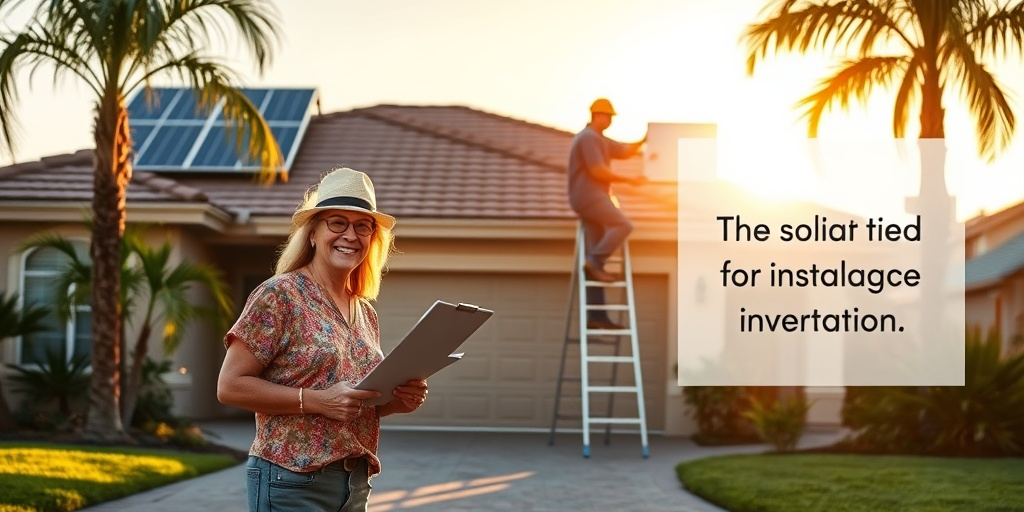
As a Florida homeowner contemplating a switch to solar energy, you may be overwhelmed by the myriad decisions looming ahead. Among the most critical choices you will face is selecting the right inverter for your solar panel installation. Did you know that the inverter is often called the brain of your solar system, converting the direct current (DC) generated by your solar panels into alternating current (AC) for use in your home? With solar capacity in Florida expected to exceed 13,000 megawatts in 2025 (SolarEnergyTechnologies.org), making informed choices has never been more urgent. In this blog post, titled 10 Essential Tips for Choosing the Right Inverter, you will discover how to maximize your energy savings while unlocking the true potential of solar energy. With the state’s sun-soaked landscape and supportive policies, more Florida homeowners are diving into solar energy than ever before, making it imperative to choose wisely. Let’s dive into our five guiding sections: a detailed case study on inverter selection, a practical checklist, myth-busting insights, a local market focus, and a technical deep dive that will arm you with all the knowledge you need.
Section 1: Understanding Inverter Types – A Case Study
Meet Sarah, a resident of sunny Sarasota, Florida. Eager to transition her home to solar energy, she quickly became inundated with options, particularly concerning inverters. After extensive research and consultation with local experts at Florida Electric & Solar, Sarah learned the pivotal role inverters play in her system’s efficiency. With her usage patterns, she decided on a string inverter—this decision would ultimately shape her solar journey.
As explained by the U.S. Department of Energy, inverters fall into three main types: string, microinverters, and power optimizers. Each has unique advantages and considerations tailored to different circumstances (Energy.gov). Here’s a checklist that Sarah followed to make her decision:
- Step 1: Understand Your Energy Needs: Sarah’s first step was to evaluate her average electricity consumption to ensure her solar system, alongside the inverter, would meet her requirements. With Florida energy prices on the rise, it became crucial for her to maximize output.
- Step 2: Analyze System Size: Knowing her roof could support a 7kW system, Sarah understood that size directly correlates with inverter capacity. Having a properly sized inverter meant she could harness maximum solar potential.
- Step 3: Consider Shadowing Effects: During her research, Sarah learned that partial shading could highly affect performance. She found that microinverters often outperform string inverters in partly shaded environments, which aligned with her tests showing frequent tree shadows on her roof.
- Step 4: Evaluate Reliability and Warranty: Sarah compared warranties, noting that top brands offered at least a 10-year warranty, aligning with the lifespan of her panels.
- Step 5: Seek Recommendations: Finally, Sarah leveraged local insights. Through the help of Florida Electric & Solar, she gathered testimonials from other homeowners, which helped solidify her choice.
By considering all these factors, Sarah ended up not only choosing a quality inverter but also optimizing her energy savings—resulting in a 40% decrease in her electric bill within the first year! Looking at deeper layers, the inverter’s specifications directly contribute to her system’s efficiency, affordability, and longevity.
The importance of evaluating your specific energy needs and local conditions cannot be overstated. Each Florida homeowner’s situation is unique, thus should be matched with the right inverter for maximum performance.
Section 2: Your Actionable Checklist for Inverter Selection
Choosing the right inverter is not merely an optional step but a pivotal aspect of your solar installation journey. Begin wielding your power by following this detailed checklist:
- Step 1: Evaluate Your Energy Usage: Start by collecting past electricity bills to determine your average monthly consumption. This assessment will shape the size and option of the inverter you select. A bigger energy requirement might mean you also need a more robust inverter.
- Step 2: Research Inverter Types: As stated earlier, familiarize yourself with various inverter types: string inverters work well for simple installations, whereas microinverters provide enhanced performance in complex setups.
- Step 3: Check for Efficiency Ratings: Not all inverters are created equal; efficiency ratings indicate how well they convert energy. Look for models with higher efficiency ratings—typically 95% and above—to maximize your solar investment.
- Step 4: Assess Compatibility: Make sure your inverter is compatible with the solar panels you intend to purchase. The synergy between the components can significantly enhance performance (SEIA.org).
- Step 5: Factor in Maintenance and Warranty: Select products that come with a favorable warranty and minimal maintenance requirements. This choice can prevent future challenges and ensure reliability long-term.
By implementing this actionable checklist, you will be well-equipped to tackle your inverter selection process confidently. Empower yourself with knowledge, and benefit from expert advice at floridaelectricandsolar.com.
Section 3: Myth-Busting Common Inverter Misconceptions
As you venture into the realm of solar energy, you may encounter misconceptions that could derail your decision-making process. In this section, we’ll address the most common myths surrounding inverters and equip you with truths that can empower your solar journey:
- Myth #1: All Inverters Are the Same: Some people believe that any inverter will work adequately with any solar system. In fact, compatibility and efficiency vary, making it essential to research their compatibility with your panels for optimal performance (SolarReviews.com).
- Myth #2: Higher Price Guarantees Better Quality: While it is true that some premium models provide advanced features, value often lies in performance per cost. Lower-cost options may deliver excellent efficiency ratings.
- Myth #3: Microinverters Are Always Better: Many homeowners see microinverters as the superior option due to their individualized approach. However, for installations with minimal shading, string inverters can offer excellent performance at a lower cost.
- Myth #4: Inverters Never Need Maintenance: Inverters can indeed malfunction, requiring occasional checks and maintenance. Homeowners should perform regular maintenance checks to avoid losing economic efficiency.
- Myth #5: Once Installed, Inverters Are Set and Forgotten: Inverters should be monitored. Newer models often come with monitoring apps to check efficiency remotely, enabling homeowners to respond to any issues promptly.
Dispelling these myths will enable you to approach the inverter selection process with clarity and precision, guiding you towards an informed decision. Tackling these common misconceptions leads you closer to understanding the true performance of your solar system.
Section 4: Florida-Specific Insights on Inverter Selection
The Florida solar market has seen notable evolution, driven by affordability, policies, and environmental consciousness. With over 1.7 million solar installations by 2023, understanding local data can significantly impact your inverter choice. Here’s what you should know:
- Incentives Matter: Florida provides a property tax exemption for solar installations, meaning your inverter cost could be lower than expected. Taking advantage of available financial assistance may also lead to a wider selection of quality options.
- Weather Conditions: Florida storms can impose unique challenges. Choose durable, weather-resistant inverters to withstand the effects of humidity, strong winds, and heavy rain (Energy.gov).
- Local Regulations: Always check local permits and building codes related to solar installation. Compliance is not just necessary; understanding these can help guide choices towards compliant inverter systems.
- Community Support: Platforms like local forums and community groups can help steer you toward reliable local installers and brands, equipped to provide tailored solutions for your unique circumstances.
Considering Florida-specific insights will ensure that your solar journey aligns perfectly with the local market’s dynamic landscape, empowering you with knowledge as you choose your inverter.
Section 5: Your Action Plan for Florida Solar Buyers in 2025
As we look towards 2025, Florida homeowners are poised for incredible growth in solar energy adoption. To streamline your transition into solar, follow this actionable plan:
- Step 1: Audit Your Electric Bill: Start by understanding energy consumption patterns. Identify which months have the highest usage. This data will drive your system’s design and inverter type.
- Step 2: Consult with Experts: Reach out to professionals, like those at Florida Electric & Solar, who can provide custom solutions that cater to your specific needs.
- Step 3: Set a Budget: Establish a clear budget that considers your inverter and solar system’s total cost. Factor in potential rebates and tax incentives that could make the financial burden lighter.
- Step 4: Compare Options: Research different inverters available in the market and compare efficiency ratings, warranties, and user reviews to make an informed choice.
- Step 5: Monitor and Optimize: After installation, leverage monitoring tools to keep track of your solar system’s performance, making adjustments as needed.
This proactive approach streamlines your transition to solar while ensuring your investment leads to significant long-term savings. Whether it’s checking efficiency, budgeting, or reaching out for expert opinions, these steps will set you on the path to energy independence. More resources are available at floridaelectricandsolar.com.
Conclusion
Choosing the right inverter for your solar panel installation is not just a decision; it is a journey that has the potential to redefine your energy consumption and savings for years to come. By meticulously evaluating your options, busting common myths, and focusing on Florida-specific considerations, you will position yourself to harness the abundant sunshine that our state has to offer. Remember Sarah’s journey; informed choices led her to substantial savings and satisfaction. In this pivotal moment of transition towards clean energy, your empowerment rests within each decision you make.
Don’t overlook the urgency and importance of your solar investment in 2025. As energy costs rise, making the right HVAC, inverter, and solar choices can have lasting implications for your family’s financial future and environmental sustainability.
Ready to start your solar journey in 2025? Connect with a certified expert at floridaelectricandsolar.com today.
Related Articles
More insights about Inverter

5 Critical Steps for Choosing the Right Inverter

7 Essential Tips for Choosing the Right Inverter

Technical Deep-Dive: Choosing the Right Inverter for Your Solar System
Ready to Go Solar?
Have questions about solar energy? Our experts are here to help you make the switch to clean, renewable energy.