
6 Essential Steps for Choosing the Right Inverter for Solar
Share:
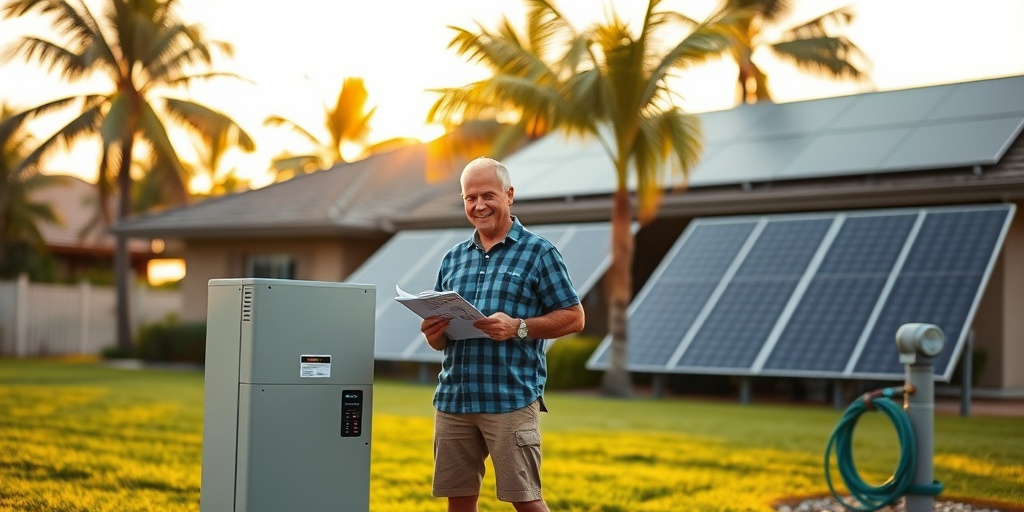
Did you know that the state of Florida has become a shining beacon for solar energy adoption, with an estimated 265,000 residential solar systems installed by 2023? As a homeowner in the Sunshine State, the potential to reduce your electric bills by a remarkable 70% through solar energy is not just appealing; it’s a necessity in today’s fluctuating energy market. Are you prepared to take control of your energy costs? In this comprehensive guide, titled 6 Essential Steps for Choosing the Right Inverter for Solar, we’ll provide you with actionable insights into selecting the perfect solar inverter that can significantly enhance your energy savings and overall investment. With rising energy costs and a growing demand for sustainable solutions, grasping the best practices for choosing an inverter is critical in 2025 and beyond.
The significance of your inverter choice cannot be overstated. Inverters are the backbone of solar energy systems, converting the direct current (DC) generated by your solar panels into usable alternating current (AC) for your home. Yet, with so many options on the market, how do Florida homeowners ensure they are making the right decision? In this post, we’ll break down six essential steps to guide you through the inverter selection process.
Throughout this article, you’ll discover:
- Case Study: Meet Maria, a Florida homeowner, and her transformative solar journey.
- Checklist: Five crucial steps to make an informed choice when selecting your inverter.
- Myth-Buster: Debunking common misconceptions attached to solar inverters.
- Local Focus: Solar insights tailored specifically for Florida residents.
- Technical Deep-Dive: A comprehensive analysis of inverter technologies and billing practices.
Now, let’s dive into the first essential step—understanding the unique needs of your solar setup!
Understanding Your Solar Energy Needs: A Case Study
To illustrate the importance of selecting the right inverter, let’s explore the story of Maria, a Florida homeowner who decided to invest in solar energy after experiencing soaring electricity bills during the summer months. Maria lives in Sarasota and has a south-facing roof that basks in the Florida sun most of the day. She initially felt overwhelmed by the prospect of going solar, especially regarding the myriad of inverter options available.
After conducting some research, Maria learned that her choice of inverter would directly impact her energy efficiency and savings. She discovered there were three primary types of inverters: string inverters, microinverters, and power optimizers. Each has its unique advantages and disadvantages. Realizing she wanted to optimize her solar power production, Maria collaborated with Florida Electric & Solar, a local expert known for guiding homeowners through the selection process.
Here’s a breakdown of her path through the inverter selection process:
- Assessing Energy Consumption: Maria gathered her last twelve months of electric bills, giving her a clear picture of her energy consumption and needs.
- Roof Type and Orientation: Given her roof’s excellent orientation, she was enticed by microinverters, which optimize energy production at the panel level.
- Future Expansion: Maria invested in a system that would allow for future additions. She opted for a scalable inverter system.
- Local Incentives: With an understanding of available state incentives, she maximized her upfront savings.
- Professional Guidance: Partnering with Florida Electric & Solar, Maria received tailored advice on choosing an inverter best suited for her roof and budget.
Maria’s story highlights the myriad factors involved in choosing a solar inverter, including roof orientation and future energy needs. She ultimately selected a microinverter system, which allowed for better efficiency and flexibility as her energy demands grew. Today, she is proud to say she benefits from significantly reduced electric bills and feels empowered by her investment in renewable energy.
As you reflect on Maria’s journey, consider applying her insights to your situation. Here’s the first step to choosing the right inverter for your solar energy system.
Step 1: Assess Your Energy Consumption
The first step in selecting the right solar inverter is to have a firm grasp on your energy consumption. Understanding how much electricity your household uses will allow you to determine the right inverter size for your solar energy system. Analyze your previous energy bills for patterns and monthly averages. Note that Florida residents faced an average annual electric bill of around $1,500 in 2022 (EIA.gov). This information will enable you to make an informed decision when consulting with solar experts.
- Gather Electricity Bills: Review at least 12 months of bills to identify your highest usage months.
- Calculate Seasonal Variations: Determine if your energy usage fluctuates seasonally, especially given Florida’s hot summers.
- Consider Future Needs: Factor in changes to your household, such as home renovations or electric vehicle (EV) charging.
After assessing your energy needs, it’s time for the second essential step—more about the inverter types available for you!
Step 2: Choose the Right Inverter Type
Once you understand your energy consumption, the next step is to choose the right type of inverter for your solar setup. Here are the three main inverter types explained:
- String Inverters: This is the most common type of inverter used in residential solar systems. They connect multiple solar panels in series. While cost-effective, they may not perform well if panels are shaded or if they have varying orientations.
- Microinverters: Unlike string inverters, microinverters are installed on each solar panel individually. This allows them to work optimally even if some panels are in the shade. They also offer detailed performance monitoring.
- Power Optimizers: These devices are a hybrid that shares characteristics of both string inverters and microinverters. They maximize the output of each solar panel while still connecting to a single string inverter.
In Florida, microinverters are gaining popularity due to the state’s frequently sunny weather, leading to high energy output. However, if you are looking for a more budget-friendly option, string inverters may suit smaller energy needs. The key is to weigh your options based on your specific requirements.
As you weigh these options, remember to also look into the warranties and longevity of different inverter brands and models. Your inverter life expectancy should ideally be aligned with the operational life of your solar panels, typically 25 years. If you’re leaning towards microinverters, keep in mind that they may come with slightly higher costs but can lead to longer-term savings by maximizing solar gains.
Moving on to the third step—understand common myths surrounding solar inverters!
Step 3: Myth-Busting Solar Inverters
When it comes to solar energy, many myths can cloud decision-making. Let’s debunk some of the most common misconceptions about solar inverters:
- Myth #1: More Expensive Equals Better Performance: While investing in high-quality inverters is crucial, higher price tags do not always guarantee better performance.
- Myth #2: All Inverters Are Interchangeable: Different inverter types cater to specific needs. Choosing the wrong type can limit your system’s efficacy.
- Myth #3: Inverters Don’t Require Maintenance: Inverters generally require minimal maintenance, but regular inspections can prevent larger issues later.
- Myth #4: Solar Panel Positioning Doesn’t Affect Inverter Choice: Inverter choice is directly influenced by your panels’ orientation and shading. Optimizing for maximum light exposure is crucial.
- Myth #5: Inverters Only Need to Work During Peak Sunlight: Modern inverters continue to function and optimize performance even at low light or cloudy conditions.
Equipping yourself with the right knowledge will allow you to make better decisions regarding your inverter selection. During this phase, remember that leveraging expert guidance from trusted solar providers, like floridaelectricandsolar.com, can streamline your process and debunk misconceptions.
As we shift to the fourth step, let’s delve into how Florida-specific data impacts your solar investment!
Step 4: Local Focus on Florida Solar Regulations and Incentives
For Florida homeowners, understanding local regulations and incentives can be a vital part of the solar journey. In 2022, solar energy accounted for nearly 10% of all electricity generated in Florida (SEIA.org). Local policies and financial incentives can play a significant role in reducing the cost of your solar setup. Take these crucial aspects into account:
- State Incentives: Florida offers several incentives, including net metering, which allows you to receive credit for excess energy produced and sent back to the grid.
- Federal Tax Credits: Homeowners can benefit from the federal solar tax credit, allowing you to deduct a percentage of your solar costs from federal taxes.
- Property Tax Exemption: In Florida, the value added to your property by solar installations is exempt from property taxes, making it an attractive choice for long-term investment.
Moreover, partnering with a local solar company familiar with Florida energy laws can provide insights into navigating permitting processes and ensuring your installation meets state codes. The state has a target to reach 40% renewable energy by 2030, which highlights the urgency and growth potential of solar adoption.
As you gather insights into the local landscape, the next step focuses on diving into the technical side of inverters and installation practices!
Step 5: Technical Deep-Dive on Inverters and Installation Best Practices
Choosing the right inverter requires a thorough understanding of its function and how it works within your solar energy system. A successful installation not only relies on the inverter’s capabilities but also on following best practices during the setup process:
- Matching Inverters to Solar Panel Type: Ensure your inverter is compatible with the type and brand of solar panels you select. Look for efficiency ratings that align with your output goals.
- Expert Installation: Ensure professional installation to maximize efficiencies and minimize future repair costs. Hiring certified installers will ensure compliance with local regulations.
- Monitoring Systems: Choose inverters with monitoring capabilities that allow real-time performance tracking. This can alert you to inefficiencies immediately.
- Regular Maintenance Schedules: Inverters usually operate over 10 years without issues, but establishing regular maintenance checks ensures long-term reliability and performance.
Understanding these technical aspects will provide you with the knowledge needed to make informed choices about inverter specifications and installation processes. The right inverter, combined with high-standard installation, can result in energy outputs that exceed anticipated savings across the lifetime of your solar system.
Next Steps for Florida Solar Buyers in 2025
Now that we’ve covered the essential steps for choosing the right inverter for solar installations, the next steps are crucial in ensuring a smooth transition to solar energy:
- Step 1: Audit Your Electric Bill: Review your past energy bills to identify usage patterns and potential savings.
- Step 2: Research Incentives: Investigate local and federal incentive programs to understand the financial implications.
- Step 3: Consult with Experts: Reach out to trusted solar professionals in your area for tailored guidance and installation support.
- Step 4: Evaluate Your Options: Compare different inverter types and manufacturers to find the perfect match for your system.
- Step 5: Schedule Your Installation: Once you’ve made a decision, schedule professional installation to ensure optimal performance.
As you consider these next steps, remember that investing in solar energy is not merely a financial decision; it’s one that benefits the environment, your family, and your community. If you’re looking to explore further options and begin your solar journey, visit floridaelectricandsolar.com to connect with certified experts who will support you every step of the way.
In summary, choosing the right inverter for your solar energy system in Florida is an essential aspect of maximizing your energy savings and achieving long-term sustainability. By understanding your energy needs, selecting the right inverter technology, debunking myths, investigating local regulations, and focusing on best practices, you will be well-equipped to make the best choices for your unique situation.
Ready to start your solar journey in 2025? Connect with a certified expert at floridaelectricandsolar.com today.
Related Articles
More insights about Inverter

5 Critical Steps for Choosing the Right Inverter

7 Essential Tips for Choosing the Right Inverter

Technical Deep-Dive: Choosing the Right Inverter for Your Solar System
Ready to Go Solar?
Have questions about solar energy? Our experts are here to help you make the switch to clean, renewable energy.