
7 Essential Solar Panel Maintenance Tips for Florida Homeowners
Share:
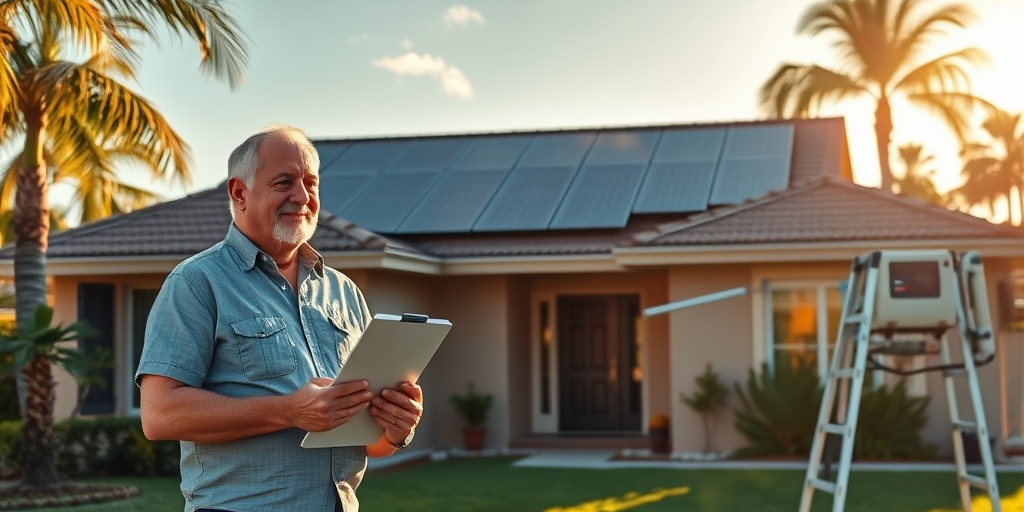
As Florida homeowners increasingly look for ways to combat rising energy costs and enhance their sustainability practices, the vitality of maintaining solar panel systems has never been more crucial. Did you know that solar energy has experienced a staggering growth of over 500% in the last decade? Yet, despite this impressive uptake, many still underestimate the importance of solar maintenance, leading to inefficiencies and reduced savings. In fact, a survey indicated that up to 28% of people who invest in solar never acquire routine maintenance—an oversight that can cost thousands in lost energy production (Energy.gov). With 2025 just around the corner, it’s essential to think ahead as energy costs are projected to rise by up to 10% annually over the next few years—making the case for maximized savings through efficient solar maintenance every more intense. This article, titled 7 Essential Solar Panel Maintenance Tips for Florida Homeowners, provides the key steps you’re going to need to ensure your solar systems remain efficient and your investment remains protected. In the following sections, we will delve deeply into essential maintenance practices, debunk common myths about solar panel upkeep, outline scientific and statistical insights, and provide you with an actionable plan for your solar future.
Why Your Solar Panels Need Attention: A Deep Dive into Maintenance
Every solar panel system requires consistent attention to perform efficiently. One compelling case is that of Sarah, a homeowner in Orlando who invested in solar panels two years ago and has since seen a decrease in her monthly electric bills by approximately 60%. Excited about her newfound savings, Sarah neglected annual maintenance, thinking her system could run perfectly without oversight. Unfortunately, after significant rainfall, debris covered her panels, causing a performance drop of 25%. This lapse in maintenance cost her hundreds of dollars in lost energy production. Sarah learned the hard way that regular maintenance is not only important; it’s essential to maintaining efficiency and maximizing savings.
- Conduct Regular Visual Inspections
- Keep Panels Clean
- Monitor Performance
- Check for Drainage Issues
- Review Inverter Functionality
Visual inspections should be a regular part of your maintenance routine. Every few months, take a moment to look at your panel system—especially after storms or intense weather. Look for any visible damage, such as cracks or deformation. Florida’s intense weather can wreak havoc on panels, and being proactive can spare you from costly repairs later on. Studies indicate that keeping panels free of debris can improve performance by as much as 20% (SolarReviews.com).
In addition, cleaning your panels is vital. Dust, bird droppings, and other debris can accumulate on the surface, preventing sunlight from reaching the photovoltaic cells. Depending on where you live in Florida, you may need to clean your solar panels just once or twice a year. Use a squeegee and a gentle cleanser designed specifically for solar panels to avoid scratching them. Moreover, a remarkable 25% or more of energy can be lost due to dirt—making this maintenance step imperative (SEIA.org).
Monitoring the performance of your system requires more than just watching your electric bill. Utilizing solar apps and online tools can provide real-time data on your energy generation, giving you an idea of whether daily energy output aligns with your expectations. According to the National Renewable Energy Laboratory, energy performance data flagged users with inefficient systems, saving them an average of $500 per year (NREL.gov).
Essential Solar Maintenance Checklist for Homeowners
Understanding what steps to take is important; having a clear checklist helps you stay organized. Here’s a straightforward action plan for homeowners:
- Step 1: Visual Inspections – Assess for signs of damage or debris every 3 months.
- Step 2: Clean the Panels – Schedule cleanings based on your region’s dust and debris levels.
- Step 3: Monitor Your Output – Log your monthly performance using solar apps or customer portals.
- Step 4: Inspect the Inverter – Check the inverter’s lights to ensure it’s in operational status monthly.
- Step 5: Consult a Professional – Schedule yearly professional maintenance checks.
Maintaining this checklist involves a bit of commitment, but in the long run, you’ll find that it pays off. For Floridians, taking these steps can avoid costly repairs and maximize your investment by ensuring optimal performance of your solar panels.
Debunking Common Solar Panel Maintenance Myths
When you talk about solar panel systems, the myths can run rampant. Here, we clear up five of the most pervasive misconceptions that can hinder effective maintenance:
- Myth #1: Solar Panels Don’t Need Maintenance. Contrary to popular belief, solar panels require regular attention to ensure efficiency and longevity.
- Myth #2: Rain Cleans My Panels. While rain can wash away some dirt, it can also leave behind mineral deposits that degrade efficiency.
- Myth #3: I Can Clean My Panels Anytime. It’s important to clean your solar panels in the early morning or late afternoon to avoid cracking in hot Florida sun.
- Myth #4: All Solar Panel Systems Are the Same. Different systems have unique maintenance requirements depending on technology; your specific inverter and PV materials matter.
- Myth #5: My Panels Are Still Covered by Warranty, So I Don’t Need to Maintain Them. Warranties require some form of maintenance; ignoring routine checks can void coverage and lead to unexpected costs.
Understanding these myths will empower you, allowing you to take informed steps towards caring for your system. It can be easy to fall into the trap of thinking “It won’t happen to me.” However, with the rapid expansion of the solar market in Florida, it’s crucial that you stand educated and take control of your solar experience (DSIREUSA.org).
Technical Considerations for Solar Power Maintenance
In-depth knowledge of solar panels also allows you to take control of more technical aspects that might affect performance. Here are a few key elements to pay attention to:
- Inverter Efficiency: The inverter converts direct current (DC) from the panels into alternating current (AC) for use in your home. If your inverter performs poorly, the energy output of your system diminishes. Stay updated by checking the manufacturer’s guidelines on how efficiently your inverter operates.
- Battery Storage Systems: If you have a solar battery, keeping it operational is essential. These systems require regular management to store energy effectively, and over time they may need replacements depending on their cycle life.
- Billing and Utility Relations: Understand net metering and your utility company’s regulations regarding selling energy back. Florida laws support net metering, but it’s wise to keep abreast of any changes that may impact your payments (FloridaElectricAndSolar.com).
Each component of your system plays a crucial role in maintaining optimal performance, and having a broad understanding of these technical aspects enables you to maintain power not just for today, but also for years to come.
Next Steps for Florida Solar Buyers in 2025
As we look towards the future, understanding how to maintain your solar panels effectively empowers your energy independence journey. Here is your actionable plan:
- Step 1: Audit Your Electric Bill. Analyze your past electric bills and identify savings after installing your solar panels.
- Step 2: Schedule Regular Inspections. Keep your maintenance checks on the calendar—just like you would for a vehicle.
- Step 3: Invest in Quality Cleaning Supplies. Ensure you have squeegees and cleansers suitable for your panels, budget for future replacements.
- Step 4: Learn About Your System. Educate yourself about the specifications of your panels, battery, and inverter.
- Step 5: Connect with an Expert. If you have any doubts, consult with professionals from floridaelectricandsolar.com for tailored advice.
By following these steps, you’ll arm yourself not just with knowledge but also with proactive practices that ensure a smooth solar experience throughout the coming years.
Conclusion: Your Solar Journey Begins Here
In conclusion, maintaining your solar panels is not merely about adhering to a checklist for efficiency—it’s about safeguarding your financial investment and enhancing your sustainable living. Each step your take, from visible inspections to professional consultations, is pivotal for ensuring that your solar panel system operates at its full potential. In a rapidly changing energy landscape poised with rising costs, being proactive can indeed transform your energy bills from a monthly burden to a powerful advantage. Remember, every bit of energy your solar system generates adds to your savings and contributes to a healthier planet, making each maintenance task a small price to pay for the benefits ahead.
Ready to start your solar journey in 2025? Connect with a certified expert at floridaelectricandsolar.com today.
Related Articles
More insights about Solar Panel

Florida Homeowners: Why Solar Panel Maintenance Is Essential

7 Essential Steps for Solar Panel Installation Success

Expert Insights: Key Factors Influencing Solar Panel Lifespan
Ready to Go Solar?
Have questions about solar energy? Our experts are here to help you make the switch to clean, renewable energy.