
7 Essential Steps for Choosing the Right Inverter
Share:
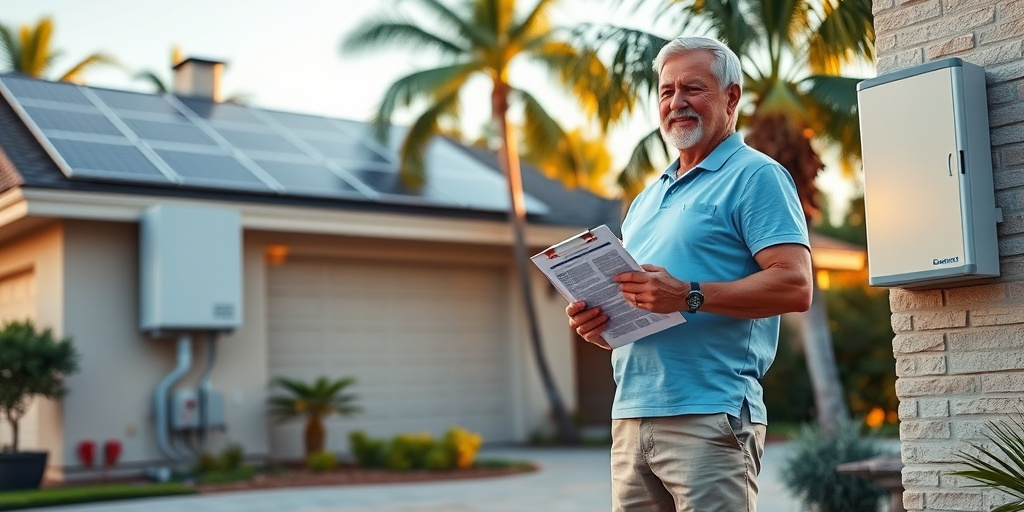
As we navigate through the rapidly changing landscape of energy in 2025, one statistic continues to stand out: electricity costs in Florida have risen by over 12% in the last five years alone (Energy.gov). This constant rise in utility bills is pushing homeowners toward alternative energy solutions, particularly solar power. If you’re among the many Florida homeowners who are contemplating going solar this year, understanding how to choose the right inverter is crucial. After all, the inverter is the beating heart of your solar energy system, transforming the captured sunlight into usable electricity for your home. In this article titled “7 Essential Steps for Choosing the Right Inverter”, we aim to guide you through selecting the ideal inverter that will maximize efficiency and longevity for your solar panel installation. Additionally, with the new solar incentives and policies enacted in 2025 targeting renewable energy growth, now is the time to act. You’ll need a reliable system that can withstand Florida’s unique climate challenges while delivering optimal performance. To facilitate your journey, we’ll cover five upcoming sections: a case study that narrates real-world experiences, a comprehensive checklist, myth-busting common misconceptions, a local focus on Florida-specific considerations, and a technical deep dive into inverter technology.
Understanding the Power of Inverters: Essential Case Study
Imagine this: the Johnson family, based in Orlando, Florida, decided to switch to solar power to combat soaring electricity prices and contribute to a sustainable lifestyle. After much research, they installed a solar panel system comprising high-efficiency panels and a cutting-edge inverter. Their installation was seamless, but the inverter played a pivotal role in their solar journey. With Florida’s abundant sunshine, they were eager to utilize it effectively, but they encountered a common challenge: how to assess which inverter could best meet their energy needs.
The family learned that there are several types of inverters, including string inverters, microinverters, and power optimizers. Their initial confusion was eased through a well-structured checklist they discovered from Florida Electric & Solar’s guides. As they followed each step to identify the suitable inverter for their home, they noted vital aspects, such as energy consumption patterns, warranty periods, and manufacturer reputations.
As a result, they chose a microinverter option, ensuring maximum energy capture even in partial shade, which is common due to Florida’s lush landscape. Subsequently, their energy bills decreased by 30%, enabling them to redirect those savings towards their children’s education funds (SolarReviews.com).
This case study highlights an essential first step: identifying your power needs and understanding the different inverter technologies available. In this rapidly evolving solar market, 2025 brings fresh incentives designed to encourage homeowners to invest in renewable technologies, with estimates suggesting that 1 in 5 homes will adopt solar power within the next four years (SEIA.org).
To summarize, here’s a checklist that can help you navigate this decision:
- Step 1: Assess your energy consumption to determine size and efficiency needs.
- Step 2: Research the different inverter types available and their pros and cons.
- Step 3: Choose a reliable manufacturer with a solid warranty and service record.
- Step 4: Consider the specific climatic conditions of Florida when selecting your inverter.
- Step 5: Consult with qualified local solar experts for tailored solutions.
In the next section, we’ll tackle some common myths surrounding solar inverters that often hinder homeowners from making informed decisions.
Debunking Common Myths About Solar Inverters
Myth #1: All inverters are the same.
This is far from the truth. Inverter types differ widely in terms of efficiency, lifespan, and compatibility with various solar panel brands. While some may work adequately for certain homes, others might be entirely unsuitable, costing you in the long run.
Myth #2: Higher-priced inverters always mean better quality.
While cost can reflect advanced features and warranties, there are high-performing inverters that are moderately priced. Conduct thorough research and reviews to identify whether that higher cost is justifiable based on performance records.
Myth #3: Maintenance of inverters is unnecessary.
Although modern inverters are designed to last, neglecting regular check-ups can lead to reduced performance or failures over time. Establish a maintenance routine to ensure your system operates optimally.
Myth #4: Installing solar panels automatically means having a renewable energy source.
While your system can produce solar energy, without a converter to change the DC output into usable AC electricity, your solar panels remain inefficient.
As an urgent reminder, Florida homeowners should keep abreast of changes in legislation concerning solar energy, as these can significantly impact the type of inverter you might need. Verify whether your selected inverter meets the acceptance and compliance criteria set forth in the state, as regulations frequently evolve.
Ready to dive deeper into specific inverter types? Let’s focus on selecting the optimal configuration for your unique Florida property.
Best Practices for Selecting Inverters in Florida
Implementing a solar energy system in Florida involves various choices, and selecting the right inverter is a pivotal decision. Here are five best practices for 2025 that can help streamline your purchasing decision:
- 1. Choose the Right Inverter Type: Understand the various types available: string inverters, which are cost-effective and simple; microinverters, which are ideal for complex roof layouts; and power optimizers, which offer a hybrid solution by optimizing panel output.
- 2. Evaluate Efficiency Ratings: Look for inverters with high efficiency ratings (typically 95% or higher). An efficient inverter will convert more sunlight into usable energy, reducing the amount lost during the conversion process.
- 3. Warranty and Support: Seek inverters with a minimum of 10 years warranty. This coverage should also encompass support services, as prompt technical assistance can save time and trouble.
- 4. Compatibility Check: Before finalizing your inverter choice, check if it is compatible with the solar panels you plan to install. Incompatibility can lead to performance issues and void warranties.
- 5. Consult Local Experts: Florida Electric & Solar’s team can guide you through the purchasing process, making it simpler to choose the right inverter tailored to your requirements that works well with the local climate.
These best practices will equip you with the necessary knowledge to make informed decisions that resonate with your energy needs and sustainability goals. Notably, the Florida sun offers incredible potential for solar energy production, making it all the more important to ensure that your inverter is optimized for performance.
As we progress to the next section, we will use data-driven insights to enrich your understanding of current inverter technologies.
Your Solar Future: A Data-Driven Exploration
The benefits of solar energy are vast, but it’s critical to structure your system around optimal technologies. Recent data show an increasing trend toward advanced inverter solutions like microinverters and battery storage systems, especially within states like Florida that experience diverse weather conditions.
- In 2025, it is projected that 60% of new solar installations in Florida will include smart inverters with monitoring capabilities (NREL.gov).
- Homeowners who opt for advanced inverter technology benefit from up to 25% more energy production in shaded conditions compared to traditional systems.
- With a comprehensive understanding of your system’s technical specifications, you can anticipate potential savings of $30,000 over 30 years of reduced energy costs.
Understanding the evolution of inverter technology allows you not only to keep pace with the market but also to predict future savings due to advancements in efficiency and reliability. As you plan your solar journey, consider that newer generations of inverters may incorporate smart technologies, allowing for real-time performance monitoring and enhanced energy management.
As we move towards the action plan, it’s essential to consolidate all the data and advice received thus far into clear, actionable steps.
Next Steps for Florida Solar Buyers in 2025
Integrating solar energy into your home involves making various decisions, particularly around inverters. Here’s a structured action plan to ensure that you’re set up for long-term success:
- Step 1: Audit Your Electric Bill
Start by obtaining your last several months’ electric bills to identify your consumption patterns. Understanding usage will clarify what size and type of inverter you require for your solar system. - Step 2: Research Local Solar Companies
Not all solar companies operate alike. Research local providers, speak to past customers, and look for reviews on their products and installations. A trusted provider will help you select the right inverter from the start. - Step 3: Consider Energy Efficiency Programs
Florida often rolls out rebate programs for energy-efficient home upgrades. Check if the solar inverter you’ve chosen qualifies for any state or federal incentives, ensuring you maximize your investment. - Step 4: Schedule Consultations
Arrange consultations with at least 2-3 solar consultants to discuss your options. The insights gained from these meetings can offer varied perspectives on selecting your inverter. - Step 5: Finalize Your Choice
Weigh the information gathered from research and consultations to finalize your inverter choice. Involve family members to ensure that everyone understands the decision and its benefits.
Implementing this action plan will reduce friction in your transition to solar and keep you focused on making informed choices that benefit your family’s future. Contact one of our experts at floridaelectricandsolar.com to enhance your solar journey today!
In conclusion, transitioning to solar power offers numerous benefits, significantly impacting your family’s financial health and contributing to global sustainability. With the tools and information provided, you’re now equipped to navigate the process of choosing the right inverter effectively. Remember to assess your energy needs, debunk common myths, and embrace best practices when selecting your solar technology. The urgency is real—your savings depend on making informed decisions now more than ever.
Ready to start your solar journey in 2025? Connect with a certified expert at floridaelectricandsolar.com today.
Related Articles
More insights about Inverter

5 Critical Steps for Choosing the Right Inverter

7 Essential Tips for Choosing the Right Inverter

Technical Deep-Dive: Choosing the Right Inverter for Your Solar System
Ready to Go Solar?
Have questions about solar energy? Our experts are here to help you make the switch to clean, renewable energy.