
7 Essential Steps for Choosing the Right Inverter
Share:
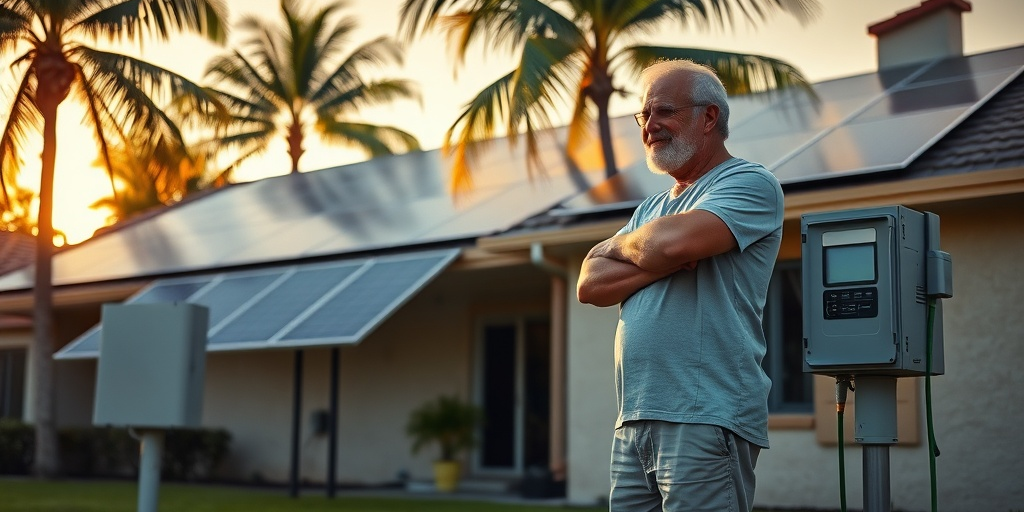
As energy prices continue to rise, Florida homeowners and commercial property owners are feeling the strain on their wallets. In fact, according to the U.S. Energy Information Administration (EIA), electricity prices in Florida increased by nearly 5% over the last year alone (EIA.gov). This rising trend echoes the urgency for innovative solutions, and there’s no better solution than adopting solar power in 2025. A critical part of your solar panel installation is the inverter, which is often overlooked but essential for turning the power generated by your solar panels into usable energy for your home or business. In this comprehensive guide, we explore 7 Essential Steps for Choosing the Right Inverter, ensuring optimal efficiency for your energy future while maximizing your solar panel installation.
Why should you pay special attention to the inverter in 2025? With increased solar incentives and advancements in technology, it’s more crucial than ever to stay informed. A well-chosen inverter can improve your system’s efficiency by 30%, ultimately saving you money and enhancing your energy independence (SolarReviews.com). In this guide, we will break down the decision-making process into manageable steps, equipping you with the knowledge needed to choose the best inverter for your needs.
Here’s a preview of what we’ll cover:
- Case Study: A real-life scenario of a Florida homeowner’s inverter choice.
- Checklist: Essential criteria to consider when selecting your inverter.
- Myth-Buster: Common misconceptions about solar inverters.
- Local Focus: Understanding Florida’s unique solar landscape.
- Technical Deep-Dive: A dive into the intricate details of inverters and their components.
Let’s dive right in!
Case Study: A Florida Homeowner’s Inverter Journey
Meet Jessica, a Florida homeowner who decided to transition to solar power in early 2025. With the rising costs of electricity in Florida and enticing state and federal solar incentives, Jessica took the leap. However, her journey wasn’t without its challenges. Choosing the right inverter proved to be one of the most crucial steps in her solar power project.
Before making a purchase, Jessica conducted extensive research. She read through reviews, considered her energy consumption needs, and looked at various brands. She finally settled on a microinverter system, aimed at maximizing the energy output of her solar panels by converting direct current (DC) from each panel into alternating current (AC) for household use. After her installation, Jessica was thrilled to discover that her solar system now generated more energy than she needed, allowing her to sell the surplus back to the grid while enjoying significant savings on her electric bills.
This experience highlights the importance of choosing the right inverter, as it directly impacts the overall efficiency of a solar system. As you navigate the process, follow this comprehensive checklist to ensure that your inverter choice aligns with your specific needs.
Essential Checklist: 7 Steps for Choosing the Right Inverter
Your inverter serves as the brain of your solar panel system, so it’s crucial to choose one that meets your energy needs. Use the following checklist to guide your decision-making process:
- Step 1: Assess Your Energy Requirements
Estimate your overall energy consumption by reviewing your electric bills. A good rule of thumb is to look at your usage over a year to gauge seasonal variations. Understanding your needs is the first step towards selecting an inverter capable of handling your demands.
- Step 2: Dig into Inverter Types
Familiarize yourself with the different types of inverters available: string inverters, microinverters, and power optimizers. Each offers different benefits, so assess the pros and cons based on your system’s configuration and location.
- Step 3: Check Manufacturer Reputation
Look for manufacturers with a strong track record. Brands with warranties extending to 10 or more years typically represent quality. In Florida, ensuring your inverter is designed to withstand the local climate is essential.
- Step 4: Evaluate Efficiency Ratings
Look for inverters with a high efficiency rating (above 95% is ideal). This number typically represents the energy loss in conversion, meaning a higher rating translates to better savings over time.
- Step 5: Consider Monitoring Features
Opt for inverters that come with monitoring features. This can provide insights into your solar production and consumption patterns, allowing you to maximize efficiency and savings.
- Step 6: Investigate Compatibility
Ensure the inverter you choose is compatible with the solar panels you plan to install. Compatibility issues can lead to decreased efficiency or functionality.
- Step 7: Consult a Professional
A qualified solar installer can provide valuable insights and recommendations tailored to your specific situation. Don’t hesitate to consult experts who can help guide your inverter choice based on technical knowledge and experience.
Following this checklist will put you in a strong position to make an informed choice when selecting your solar inverter.
Myth-Busting Common Misconceptions about Inverters
As with any evolving technology, there are numerous myths circulating about solar inverters. Let’s debunk some widespread beliefs:
- Myth #1: All Inverters Are the Same
This couldn’t be further from the truth. Inverters come in various types (string, micro, hybrid) and qualities, and choosing the right one tailored to your specific needs is critical for maximizing efficiency.
- Myth #2: Higher Price Equals Better Performance
While quality is often associated with price, it is possible to find a reliable, high-performing inverter at a competitive cost. Conduct thorough research rather than relying solely on price.
- Myth #3: You Don’t Need to Worry About the Inverter: Just Install the Panels
The inverter is as essential as the solar panels. Neglecting to choose the right inverter can lead to decreased energy output and lower overall system performance.
- Myth #4: Solar Inverters Don’t Require Maintenance
Like any electrical device, inverters can require maintenance or replacement. Regular assessments can help ensure their efficiency and prolong their lifespan.
- Myth #5: Bigger Is Better
A common misconception is that larger inverters automatically translate to more power. In reality, the best inverter for your home is one that matches your energy needs and is efficiently installed.
By debunking these myths, homeowners can make informed choices regarding their inverter selections.
Local Focus: Understanding Florida’s Solar Advantage
Florida is often dubbed the “Sunshine State” for good reason; it boasts an incredible average of 237 sunny days each year. This abundance of sunshine makes solar power particularly advantageous for Florida homeowners (NREL.gov). Here are some local considerations to keep in mind when choosing your inverter:
- Net Metering Policies: Florida allows net metering, which lets you sell excess electricity back to the grid. This policy creates an economic incentive for maximizing energy use through a high-efficiency inverter.
- Climate Resilience: Choose inverters that can withstand Florida’s humid and storm-prone environment. Look for models specifically designed with protective features against rust and moisture.
- State Incentives: Florida offers property tax exemptions and other incentives for solar energy systems, allowing homeowners leveraging solar to save on overall installation costs (SEIA.org).
Understanding these factors is essential for Florida homeowners interested in solar energy and optimal inverter performance.
Technical Deep-Dive: Analyzing Inverter Technology
The inverter is at the heart of your solar energy system, responsible for converting the DC electricity produced by solar panels to AC electricity compatible with your home. Here are some critical components and functions to understand when evaluating your options:
- Types of Inverters:
String inverters are the most common, good for installations with little shade. Microinverters, on the other hand, are ideal for shaded areas and allow for individual monitoring and optimization of each panel.
- Battery Integration:
Some inverters come with battery backup capabilities. This is beneficial for homeowners seeking energy independence and resilience, particularly during power outages.
- Smart Technology:
With the rise of smart home technology, many modern inverters feature Wi-Fi or Bluetooth monitoring capabilities. This allows homeowners to track their energy production and consumption in real time via smartphone apps.
- Efficiency Ratings:
Always check the inverter’s efficiency rating. Higher efficiency means better performance and less energy loss during conversion.
In-depth knowledge about inverter technology can empower homeowners to make judicious choices regarding their solar investment.
Next Steps for Florida Solar Buyers in 2025
As you prepare to make the transition to solar energy, here’s a clear action plan to streamline the process for selecting the right inverter:
- Step 1: Audit Your Electric Bill
Review your average monthly usage to determine how much energy your future solar system needs to produce.
- Step 2: Research Different Inverter Options
Make a comparative analysis of inverter types, brands, and models that align with your energy needs and budget.
- Step 3: Consult with Experts
Connect with a certified solar installer or energy consultant at floridaelectricandsolar.com who can guide you on the best options available.
- Step 4: Request Quotes
Obtain quotes from multiple solar companies. Make sure to inquire about inverter warranties and the experience of the installation team.
- Step 5: Make Your Choice
After careful consideration, finalize your decision based on research, expert consultations, and warranty terms.
This checklist will reduce friction in your journey towards solar energy adoption, ensuring a seamless process while maximizing your investment.
Conclusion
Choosing the right inverter is a fundamental step in optimizing your solar power experience—and one that could significantly influence your financial savings in the years to come. We’ve explored the critical components of this decision-making process through real-life case studies, actionable checklists, myth-busting information, local insights, and a technical deep-dive. In 2025, positioning yourself correctly within the solar landscape is crucial as energy costs continue to rise.
As you embark on this journey to energy independence, remember that the decisions you make today will shape your financial future. With the right inverter setup, not only can you cut down on electric bills, but you can also invest smartly in a sustainable energy source that benefits both your family and the environment.
Ready to start your solar journey in 2025? Connect with a certified expert at floridaelectricandsolar.com today.
Related Articles
More insights about Inverter

5 Critical Steps for Choosing the Right Inverter

7 Essential Tips for Choosing the Right Inverter

Technical Deep-Dive: Choosing the Right Inverter for Your Solar System
Ready to Go Solar?
Have questions about solar energy? Our experts are here to help you make the switch to clean, renewable energy.