
7 Essential Steps for Choosing the Right Inverter for Solar
Share:
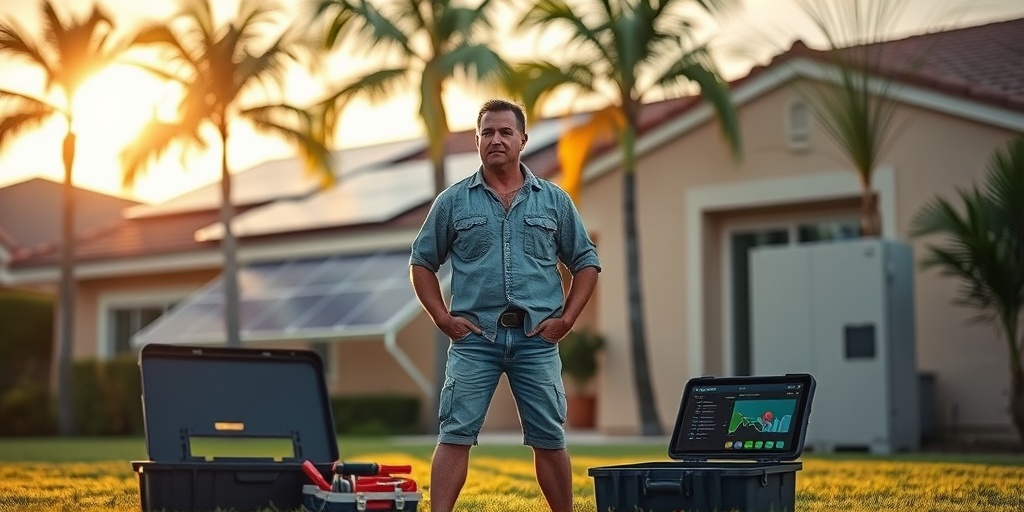
As the sun-drenched state of Florida embraces renewable energy, homeowners and commercial property owners alike are increasingly realizing the potential of solar power. In fact, according to the latest data, Florida rankssecond in the nation in installed solar capacity, reflecting a growing demand for sustainable energy solutions (SEIA.org). But amid the excitement, there’s a critical component to harnessing this solar potential effectively: the inverter. Choosing the right inverter can significantly impact the performance and savings from your solar panel installation, particularly as we step into 2025, where energy costs are predicted to rise by 15% (Energy.gov). This makes understanding the right inverter essential to maximize your investment and ensure your transition to solar energy runs smoothly.
In this article, titled 7 Essential Steps for Choosing the Right Inverter for Solar, we will guide you through an actionable checklist that combines expert insights with practical advice. From debunking common myths to understanding the technical specifications, you’ll be empowered to make an informed decision. Here’s what you can expect in the coming sections:
- Case Study: A real-world example of a Florida homeowner navigating their inverter decision.
- Checklist: A detailed step-by-step guide to choosing an inverter.
- Myth-Buster: Unpacking misconceptions surrounding solar inverters.
- Local Focus: Insights specific to Florida homeowners and relevant incentives.
- Technical Deep-Dive: An exploration of the critical technical aspects of inverters.
By the end of this article, you’ll be equipped to ensure your solar panel installation delivers the best performance and savings, putting you on the path towards an energy-efficient future.
Understanding Your Solar Inverter: A Case Study
Imagine you’re John, a Florida homeowner who has recently decided to transition to solar energy. The idea of slashing high energy bills while contributing to a greener planet excites him, and after extensive research, he realizes that selecting the right inverter is crucial to his system’s overall efficiency. However, John’s excitement quickly turns into confusion amidst the plethora of inverter options available on the market.
Through the consultation process with a reputable solar installation company, John learns that choosing the right inverter is as important as selecting the panels themselves. The inverter is responsible for converting the direct current (DC) produced by solar panels into alternating current (AC), which powers homes and businesses. Without the right inverter, John might face underperformance, leading to lower energy savings and unattainable expectations. Research shows that poor inverter choices can reduce system performance by up to 30% (SolarReviews.com).
So how can John, and homeowners like him, make educated choices? Let’s create a checklist to provide clarity and insight into selecting the perfect inverter for your solar power system.
7 Essential Steps for Choosing the Right Inverter
When contemplating the installation of solar power systems, understanding the inverter’s role is crucial. Below is a concise checklist that outlines key considerations and steps for selecting the right inverter:
- Step 1: Determine Your Energy Needs — Begin by evaluating your average monthly energy consumption. Consult your utility bills to understand your typical usage, then determine how much of this load you want solar to cover. This foundational step will inform your inverter capacity requirements.
- Step 2: Choose the Right Type of Inverter — Different types of inverters include string inverters, microinverters, and power optimizers. String inverters are cost-effective and commonly used in residential applications. In contrast, microinverters optimize performance at the panel level, making them ideal for shaded areas or complex roof layouts.
- Step 3: Check for Efficiency Ratings — Look for inverter efficiency ratings, typically ranging from 90% to over 98%. Higher efficiency means more of the solar energy generated is successfully converted to usable power, maximizing your savings (Energy.gov).
- Step 4: Consider Warranty and Lifespan — Inverters typically come with warranties that range from 5 to 25 years. A longer warranty can provide peace of mind against potential failures and ensure longevity (SolarReviews.com).
- Step 5: Assess Monitoring Capabilities — Modern inverters come with monitoring features that allow you to track performance in real-time. This capability not only provides assurance but also alerts you to any issues that may affect efficiency.
- Step 6: Factor in Grid Connection and Regulations — Florida has specific regulations surrounding grid-tied solar systems. Ensure your selected inverter complies with local interconnection standards and net metering laws (DSIREUSA.org).
- Step 7: Work with a Trusted Installer — Collaborate with a reputable solar company, like floridaelectricandsolar.com, to help guide you through the installation process and provide personalized recommendations based on your unique situation.
By following this checklist, John can confidently approach his inverter choices, empowering his transition to solar energy.
Debunking the Myths Surrounding Solar Inverters
As homeowners delve into their solar journeys, misinformation can hinder their decision-making process. Let’s clear the air by addressing some common myths about solar inverters:
- Myth #1: All Inverters are the Same — One of the most prevalent myths is that all inverters deliver the same performance. In reality, there are substantial differences in efficiency, warranty, and technology that can affect overall system performance (SEIA.org).
- Myth #2: Higher Price Equals Better Quality — While it’s true that price often reflects quality, not all high-priced inverters offer superior performance. Thorough research and comparisons are crucial to finding inverters that offer excellent value without overspending.
- Myth #3: You Don’t Need to Monitor Your Inverter — Many homeowners believe that once the system is installed, they can forget about it. Regular monitoring can catch performance issues early, ensuring optimal energy production and savings.
- Myth #4: Solar Inverters Last Forever — Inverters have a limited lifespan, typically influencing the efficiency of the solar system after a decade or two. Knowing when to upgrade is vital for maintaining performance.
- Myth #5: Microinverters are Better for Every Situation — While microinverters provide advantages in shaded locations, they may not be necessary for all homes. Evaluating your specific conditions helps determine the best inverter type for you.
By debunking these myths, homeowners can make more informed choices, leading to successful solar installations that maximize savings and performance.
Florida-Specific Considerations for Solar Inverter Selection
Florida homeowners have unique considerations when choosing solar inverters due to local sun exposure, regulations, and incentives. Let’s examine some of these factors that specifically influence inverter selection in the Sunshine State:
Firstly, Florida enjoys some of the highest solar irradiance levels in the United States, meaning that solar systems here can produce substantial amounts of energy throughout the year. In fact, Florida averages over 280 sunny days annually, making it a prime location for solar energy (NREL.gov).
Additionally, homeowners should be aware of the state’s net metering policies. Florida legislation allows homeowners to receive credit for excess energy generated and sent back to the grid, making it vital to choose an inverter that complies with these regulations.
- Rooftop Orientation: While most homes in Florida are ideally positioned for solar, the orientation and tilt of your roof can influence the inverter choice, especially if different roof faces are getting varying amounts of sunlight.
- Hurricane Safety: With Florida’s vulnerability to hurricanes, products that meet strict building codes and performance standards are critical for ensuring reliability and durability during extreme weather events.
- Incentives and Rebate Programs: With various state programs available to incentivize solar adoption, make sure your installation and choice of inverter aligns with available rebates to reduce initial costs.
By understanding Florida-specific factors, homeowners can better tailor their inverter selection to benefit from the state’s unique solar opportunities.
Technical Deep-Dive: The Mechanics of Solar Inverters
Diving deeper into solar technology, it’s essential to understand the various aspects of inverters that affect their performance and compatibility with your solar system:
- Inverter Types and their Functions: Beyond basic classifications—string inverters, microinverters, and power optimizers—there’s a variety of advanced features to consider, like DC-DC optimizers that enhance individual panel performance while sharing string inverter benefits.
- Compatibility with Batteries: If you plan to incorporate energy storage, ensure that the inverter you choose is compatible with batteries for seamless integration, especially during power outages. Hybrid inverters simplify this integration.
- Smart Inverter Technology: Newer models come equipped with smart technology that allows for remote diagnostics and management, aligning with advancements in IoT (Internet of Things).
Understanding these technical specifications ensures that homeowners like John can make informed decisions regarding their solar systems and enjoy optimal performance over the years.
Next Steps for Florida Solar Buyers in 2025
As we move toward 2025, Florida homeowners must be proactive in navigating solar energy decisions. Here’s a structured action plan to guide you in choosing the right inverter:
- Step 1: Audit Your Electric Bill — Understand your energy needs by analyzing your monthly bills to determine baselines and peak usage.
- Step 2: Consult with Solar Experts — Engage with certified professionals who can assess your property, offer tailored solutions, and suggest reputable inverter brands.
- Step 3: Research Available Incentives — Investigate local solar incentives, rebates, and financing options, such as the federal solar tax credit, to lessen your upfront costs.
- Step 4: Compare Inverters — Once you have a shortlist of inverters, compare their efficiencies, warranties, and features to identify the best options for your system.
- Step 5: Finalize Your Installation Plan — Work with a reputable installer to finalize installation timelines and ensure preparedness for any potential changes in regulations or utility rates.
Following these steps will empower you to make informed decisions and enhance your solar energy savings. Don’t hesitate to reach out to knowledgeable resources, such as floridaelectricandsolar.com, for professional guidance throughout your solar journey.
Conclusion
Choosing the right inverter is not just a technical challenge; it’s a pivotal decision that can enhance your solar experience and maximize your savings. The journey we’ve taken through this article— understanding inverters deeply, debunking misconceptions, and focusing on Florida-specific conditions—arms homeowners with the knowledge needed to step into a brighter, more sustainable future.
As energy costs continue to rise and the world leans more heavily into renewable energy, acting now gives families and businesses the power to own their energy future, gain financial stability, and contribute to environmental stewardship. By putting these seven essential steps into practice, Florida homeowners can confidently navigate their solar path.
Ready to start your solar journey in 2025? Connect with a certified expert at floridaelectricandsolar.com today.
Related Articles
More insights about Inverter

5 Critical Steps for Choosing the Right Inverter

7 Essential Tips for Choosing the Right Inverter

Technical Deep-Dive: Choosing the Right Inverter for Your Solar System
Ready to Go Solar?
Have questions about solar energy? Our experts are here to help you make the switch to clean, renewable energy.