
7 Critical Steps for Choosing the Right Inverter for Solar
Share:
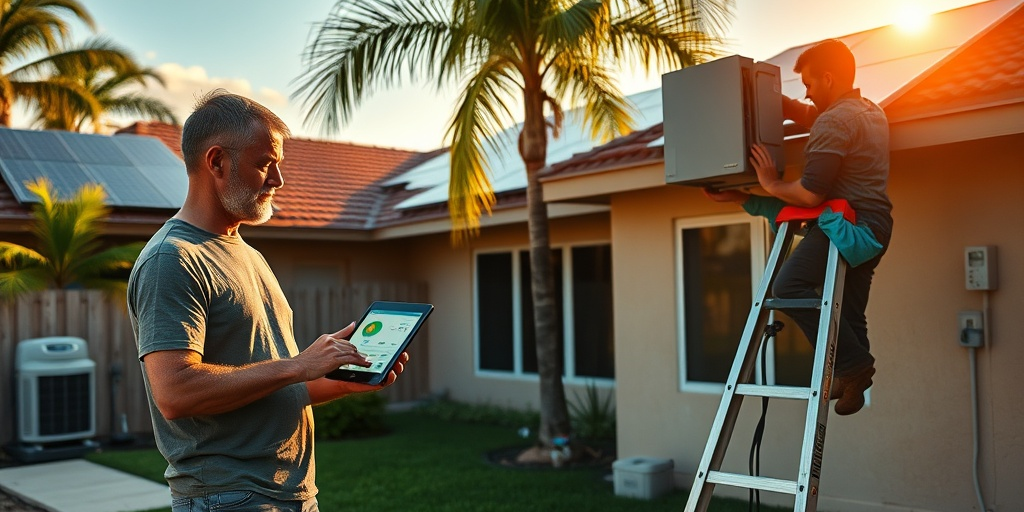
Imagine waking up every morning to a clean, renewable energy source powering your home—a choice you made not only to cut down on energy bills but to contribute to a sustainable future for Florida. As the state leans heavily into solar energy, Florida homeowners have a golden opportunity at their fingertips. With solar power systems becoming more efficient and affordable, the focus shifts towards one critical component of the setup: the inverter. In this guide, we will delve into the **7 Critical Steps for Choosing the Right Inverter for Solar** and how it can impact your solar panel installation for maximum efficiency and savings.
In Florida, solar energy adoption is on the rise, with properties generating an impressive 3.6 million megawatt-hours of solar energy in just 2022, positioning the state as one of the leaders in solar energy in the United States (Energy.gov). This surge creates a ripple effect of benefits, including reduced power costs and increased property values. However, making one misstep in choosing your solar inverter could undermine your investment. The stakes are high, particularly as we gear up for 2025, when the transitioning energy market will present new opportunities and challenges, such as rising energy costs and changing regulations. So, how do you ensure you are choosing the best inverter for your needs?
This blog post will break it down into five detailed sections:
- A case study to illustrate real-world implications
- A practical checklist to simplify your decision
- A myth-busting section to clarify common misconceptions
- A local focus on Florida’s solar landscape
- A technical deep dive into inverter technology
By the end of this post, you’ll be equipped with knowledge and confidence to select the right inverter, ensuring your solar power system operates at peak efficiency and maximizes your savings. Let’s dive in!
Real-Life Impact: How the Right Inverter Makes All the Difference
Meet Jenna, a Florida homeowner who decided to go solar in 2023. After thorough research and conversations with various solar companies, she learned that the inverter is a pivotal component in optimizing her system’s performance. Jenna opted for a high-quality inverter that was compatible with her solar panels. Now, she enjoys an impressive 30% decrease in her electricity costs every month.
Jenna’s case exemplifies the importance of making educated choices regarding inverter selection. In this case study, we will outline key factors she considered, providing you with a checklist template to follow:
- Step 1: Determine your energy needs.
- Step 2: Research inverter types (string, micro, power optimizers).
- Step 3: Consider brand reputation and warranty offerings.
- Step 4: Analyze efficiency ratings and performance data.
- Step 5: Assess compatibility with existing solar panels and battery systems.
Research shows that the right inverter can contribute to as much as a 20% difference in energy efficiency for solar power systems (SolarReviews.com). However, many homeowners proceed without realizing this. The lingering myth persists that all inverters are created equal, but the choices you make at this junction are paramount to the longevity and savings of your solar investment.
Your Ultimate Inverter Selection Checklist
When it comes to choosing the right inverter, simplifying the process can make all the difference. Here’s a straightforward checklist to guide you:
- Understand Your Energy Usage: Examine your previous electric bills to get an idea of your energy consumption. Understanding your peak usage hours will allow you to choose an inverter with adequate capacity.
- Assess Inverter Types: Familiarize yourself with the common inverter types.
- String Inverters: These are cost-effective but might not be as efficient if parts of your system are shaded.
- Microinverters: These work individually on each panel, enhancing efficiency even in partial shading conditions.
- Power Optimizers: These combine benefits of both string and microinverters, helping to maximize production and minimize costs.
- Check Efficiency Ratings: Inverters usually have efficiency ratings between 95% to 99%, which can impact how much energy you save.
- Warranty Period: A solid warranty period (typically from 5 to 25 years) reflects manufacturer confidence in their inverter.
- Local Incentives and Regulations: Make sure to check Florida’s solar incentives and regulations, which can impact your choice.
Florida is known for offering various programs that support residential solar installations, which can significantly offset upfront costs while ensuring a more favorable ROI (SEIA.org). This means that every choice, particularly concerning your inverter, should align with maximizing those benefits.
With insight from Jenna’s journey and the checklist, you’re now well on your way to making an informed decision!
Myth-Busting: Common Misconceptions about Solar Inverters
The world of solar energy is filled with misconceptions that can misguide homeowners. Let’s debunk some common myths related to solar inverters:
- Myth #1: All inverters are the same.
This could not be further from the truth. Variants in inverter technology lead to different efficiencies and compatibilities with solar systems. - Myth #2: Higher wattage always means better performance.
Not necessarily; it’s essential to match the inverter to the specific needs of your system rather than focusing solely on wattage. - Myth #3: You don’t need a battery with your solar inverter.
While not mandatory, integrating battery storage with your inverter can significantly increase energy flexibility and savings. - Myth #4: Inverters only affect power conversion.
In reality, the inverter also plays a crucial role in system monitoring and compatibility with emerging energy technologies. - Myth #5: You need to replace your inverter every 5 years.
Most quality inverters come with warranties of 10 to 25 years, adding longevity and value to your investment.
Understanding these myths is crucial, especially in Florida, where many solar options come into play. Therefore, knowledge empowers you as you navigate to make the best choices for your home.
Florida-Specific Insights: Rethinking the Solar Landscape
As Florida embraces solar, it’s important to consider the local environment and legislative landscape impacting solar installation. The Florida Renewable Energy Technologies Grant Program aims to support homeowners with financial incentives, especially when leveraging robust solar power systems with quality inverters.
In selecting your inverter, consider the following aspects:
- Local Climate: Florida’s unique weather, including frequent storms and humidity, necessitates robust inverters capable of withstanding these conditions while maximizing performance.
- Net Metering Policies: Florida has net metering in place, allowing homeowners to get credit for excess energy sent back to the grid. This means your inverter needs to be capable of seamless integration with your utility provider’s system.
- Utility-Specific Requirements: Each utility company in Florida has different installation requirements for inverters, which can affect your overall choice significantly.
By focusing on region-specific considerations, you’ll not only benefit from optimal performance of your solar installation but also stay compliant with local regulations. Make it a point to understand these dynamics and how they influence inverter selection for your specific solar solution.
Technical Deep Dive: Understanding Inverter Technology
Let’s undergo a technical exploration into how inverters function within your solar system, unraveling their mechanics and the future of this essential technology:
- Power Conversion: The inverter converts the DC electricity generated from your solar panels into AC power that is usable in your home and compatible with the grid.
- Monitoring Features: Most modern inverters come with monitoring capabilities that allow you to track energy production and consumption. This empowers homeowners like Jenna to see real-time metrics and improve energy usage accordingly.
- Grid Connection: The inverter plays a vital role in synchronizing power with the grid, ensuring stability and reliability in your energy supply.
- Battery Integration: With advancements in solar technologies, some inverters are designed to work with battery systems, enabling energy storage for use during peak hours or when the grid is down.
- Future Innovations: The inverter landscape is rapidly changing, with many companies investing in smart technologies that adapt to energy usage patterns, making solar energy even more efficient and user-friendly.
The transition to a renewable energy future relies heavily on technology, and understanding the evolution of inverters provides a compelling look into how you can get the most from your solar installation.
Next Steps for Florida Solar Buyers in 2025
As you approach your solar journey, taking these actionable steps can set you up for success:
- Step 1: Audit Your Electric Bill: Identifying your energy consumption patterns is the first step toward understanding your inverter needs.
- Step 2: Research Inverter Types: As discussed, knowing the differences in inverter technology will help tailor your selection better.
- Step 3: Consult Local Experts: Engaging with local solar professionals can provide insights specific to Florida and help guide you to the best inverter options available.
- Step 4: Review Local Incentives: Familiarize yourself with state and utility incentives that can lower your costs. The faster you act, the better your potential ROI might be.
- Step 5: Monitor Performance Post-Installation: Utilize your inverter’s monitoring features to ensure your system operates optimally, staying in touch with energy savings and system health.
Each step aims to ease the decision-making process while ensuring you achieve the best results for your home. Make the wise choice of working alongside experienced experts who understand the nuances of Florida solar energy systems.
In today’s landscape where energy sustainability is no longer a luxury but a necessity, the importance of selecting the right inverter for solar cannot be overstated. Every decision made—from understanding your energy needs to choosing the right system—will not only support your immediate financial health but also contribute to a larger movement toward renewable energy. With each passing year, advancements will arise, and opportunities will expand, making 2025 a pivotal moment for solar energy.
Ready to start your solar journey in 2025? Connect with a certified expert at floridaelectricandsolar.com today.
Related Articles
More insights about Inverter

5 Critical Steps for Choosing the Right Inverter

7 Essential Tips for Choosing the Right Inverter

Technical Deep-Dive: Choosing the Right Inverter for Your Solar System
Ready to Go Solar?
Have questions about solar energy? Our experts are here to help you make the switch to clean, renewable energy.