
7 Steps to Successfully Install Solar Panels at Home
Share:
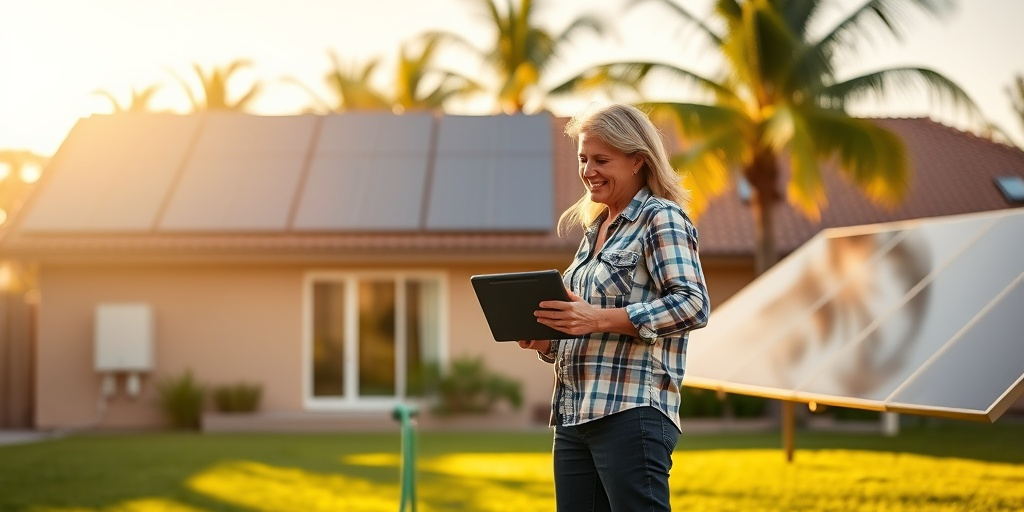
As Florida homeowners step into 2025, many are contemplating a significant shift in how they power their homes. Did you know that nearly 40% of Floridians who invest in solar power experience savings exceeding 50% on their electricity bills? This shift isn’t just an economic opportunity—it’s also a chance to embrace a greener lifestyle amid rising energy costs. You might be wondering: what steps are essential to ensure a successful solar panel installation at home? In this article titled 7 Steps to Successfully Install Solar Panels at Home, we will break down the necessary steps, provide valuable insights, debunk common myths, and establish a comprehensive action plan. Just last year, Florida ranked third nationally in solar capacity added, showcasing the urgency and interest in renewable energy solutions. The effectiveness of solar panels in our state has been underscored by a 20% increase in solar energy generation from 2020 to 2022 (SolarPowerWorld.com). This article is not only timely, but it is also relevant for those keen on maximizing their solar savings and making informed choices for installation. Here’s what you can expect in the following sections: a case study of a homeowner’s successful transition, a practical checklist for installation, common misconceptions around solar energy, specific insights geared towards Florida’s unique energy landscape, and a technical deep dive into the components of a solar system. Buckle up as we journey through these pivotal steps toward a sustainable solar solution!
Understanding the Steps to a Successful Solar Installation
When contemplating solar power for your home, envisioning the transition as effortless is appealing but doesn’t always reflect reality. **Case Study**: Meet Jenna, a single mother living in Tampa. After experiencing a 30% increase in her electricity bill over two years, Jenna realized it was time to take control of her energy costs. She started her solar journey by.
- Step 1: Researching local solar providers to understand their offerings, past projects, and reviews.
- Step 2: Scheduling consultations to determine the best solar system for her home.
- Step 3: Gaining knowledge about state incentives that could help reduce upfront costs.
- Step 4: Analyzing her property’s solar potential based on roof orientation and shading.
- Step 5: Consulting with an energy advisor to finalize the optimal solar setup.
Jenna’s transition wasn’t without challenges; she faced a sea of information regarding financing options, installation timelines, and system efficiency. Here, it’s crucial to have a checklist to guide you through these steps.
Your Solar Installation Checklist
Before jumping into installation, having a clear checklist can streamline the process. Below are critical items you need to consider:
- Step 1: Audit Your Electric Bill
- Begin by understanding your electricity consumption patterns over the last year. Identifying peak usage times will help you size your solar system accordingly.
- Step 2: Research Solar Companies
- Look into reputable solar providers like Florida Electric & Solar, comparing quotes, technology offered, and customer service ratings.
- Step 3: Evaluate Incentives
- Familiarize yourself with federal tax credits and Florida’s net metering policies that may influence your overall investment.
- Step 4: Assess Your Home’s Solar Potential
- Consider the roof age, orientation, and any obstructions like trees that could cast shadows on your system. Many companies now offer free assessments.
- Step 5: Understand Your Financing Options
- Know the different financing plans available, ranging from leases to power purchase agreements that allow you to pay over time while you save on energy costs.
By following this solar installation checklist, you can prepare yourself for effective transition and enhance your energy independence.
Common Myths Surrounding Solar Energy
As Jenna navigated her solar journey, she encountered numerous beliefs about solar energy that were not entirely accurate. Here, we address some common misconceptions:
- Myth #1: Solar panels don’t work on cloudy days.
- Reality: Solar panels can still generate energy in overcast conditions; they just produce less power than on sunny days. Modern technology has improved energy capture significantly.
- Myth #2: Installing solar panels is too expensive.
- The initial cost may seem high, but state and federal incentives can dramatically lower your upfront expenditure. Additionally, the long-term savings on energy bills often outweigh the initial investment. In fact, solar installations can increase home values by a significant percentage (NREL.gov).
- Myth #3: Solar energy is just a passing trend.
- Solar energy usage is projected to grow continuously, with analysts expecting residential solar to double in Florida over the next decade (SolarEnergyIndustries.org).
Understanding and debunking these myths can alleviate doubts and empower homeowners to take the leap into solar energy.
Florida-Specific Insights
Florida is home to unique opportunities and challenges regarding solar energy adoption. Many residents may still underestimate the potential of solar savings. Consider that Florida has among the highest solar job growth rates in the country, exemplifying the demand for renewable energy solutions. To make the most of these opportunities, here are some region-specific insights:
- Take advantage of Florida’s net metering policy, which allows homeowners to sell excess energy back to the grid.
- Be aware of local solar incentives, such as sales tax exemptions and property tax exemptions for solar installations.
- Consider community solar options available in some regions where homeowners can share the cost and benefits if their property isn’t suitable for solar panels.
The state’s policies and growth in installation rates positively impact environments and local economies, making this a critical time for Florida residents to invest in solar energy.
A Technical Deep-Dive into Solar Systems
Transitioning to solar energy necessitates a deep understanding of the components that make up a solar power system. Breaking it down, here are the primary elements to know:
- Solar Panels: The heart of your solar system, converting sunlight into electricity. Common types include monocrystalline and polycrystalline, each offering varying efficiency rates.
- Inverters: These devices convert the direct current (DC) generated by solar panels into alternating current (AC), which powers most household devices.
- Battery Storage Systems: Allowing you to store excess solar energy for nocturnal use, contributing to energy independence and reliability.
- Monitoring Systems: These tools track solar energy production, helping homeowners understand their system’s performance and savings over time.
Understanding these components prepares you for discussions with contractors and helps you to make informed decisions.
Next Steps for Florida Solar Buyers in 2025
Now that you’ve learned about the steps to successfully install solar panels at home, it’s essential to take actionable steps towards adoption:
- Step 1: Evaluate Your Electric Bill
- Examine your electricity statement over the past year. Understanding your usage will help you determine the size of the solar system to meet your needs.
- Step 2: Get Multiple Quotes
- Contact several reputable solar companies, including floridaelectricandsolar.com, to compare bids, panels, warranties, and financing options.
- Step 3: Explore Financing Options
- Discuss solar loans, leases, and power purchase agreements that may be available. Understand each scenario’s advantages and disadvantages.
- Step 4: Research Incentives
- Investigate federal and state incentives that could support your installation, reducing your long-term costs significantly.
- Step 5: Schedule a Site Evaluation
- Once you’ve selected a provider, schedule a consultation to assess your property’s solar potential and get a detailed installation plan.
Conclusion
Transitioning to solar energy in Florida is not only feasible, but it’s also an empowering step toward improving your financial future and contributing to a cleaner environment. By following the 7 Steps to Successfully Install Solar Panels at Home, homeowners can appreciate both immediate cost savings and long-term gains. Through understanding local benefits, dispelling common myths, and gaining clarity on system components, you are better equipped to make informed decisions about your energy future. With the pressing demands of rising energy costs and the potential for state incentives in 2025, there has never been a better time to invest. So, get started on your journey today and join the growing community of Floridians who are harnessing the power of the sun. Ready to start your solar journey in 2025? Connect with a certified expert at floridaelectricandsolar.com today.
Related Articles
More insights about Solar Panels

How Long Do Solar Panels Last in Florida? What to Expect From Your System

Flat Roof Solar Mounting in Florida: A Complete Installation Guide

Myth: Solar Panels Don’t Increase Home Value in Florida
Ready to Go Solar?
Have questions about solar energy? Our experts are here to help you make the switch to clean, renewable energy.