
7 Steps to Understanding Solar Panel Lifespan and Efficiency
Share:
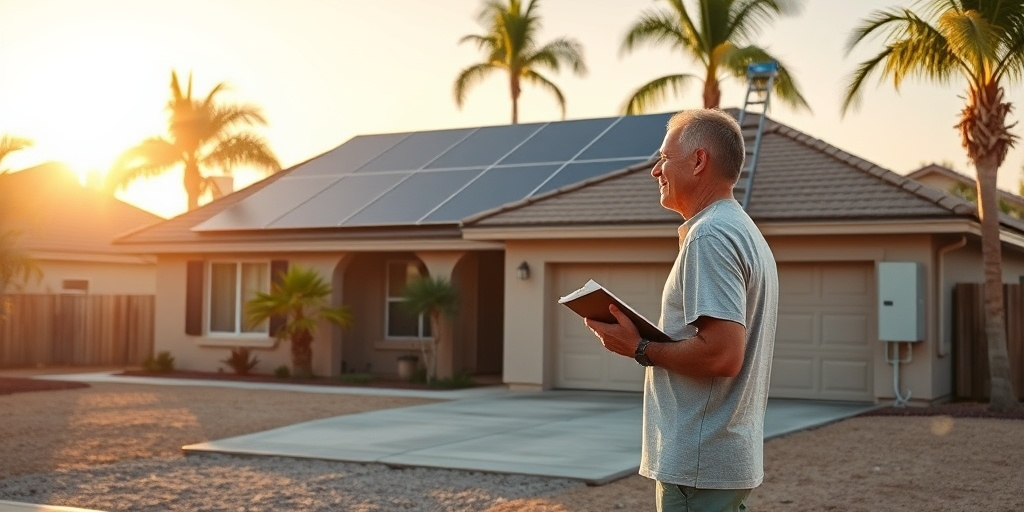
As the sun rises over the beautiful state of Florida, a powerful question looms: How will you harness this abundant energy? In 2025, with Florida leading the nation in solar energy growth, it’s imperative for homeowners and businesses to understand the nuances of solar panel lifespan and efficiency. Indeed, solar energy systems can be a game-changer, contributing to decreased utility bills and greater energy independence. Did you know that, according to the Solar Energy Industries Association (SEIA), more than 16% of Florida’s energy is expected to come from solar by 2025? This growth underscores the urgency of understanding how solar systems operate and how long they can truly serve you. With state incentives and falling prices for solar panels, now is the perfect time to invest in your future. In our exploration titled 7 Steps to Understanding Solar Panel Lifespan and Efficiency, we’ll unravel the mysteries surrounding the longevity and performance of solar systems, equipping you with knowledge to maximize your savings while ensuring your investment stands the test of time. In this comprehensive guide, we will delve into: the technical aspects that affect lifespan, common myths about solar panel performance, best practices for installation and maintenance, and actionable steps for homeowners considering solar in Florida. Let’s shine a light on the path to energy independence!
Understanding How Solar Panels Work: The Foundation of Lifespan and Efficiency
Solar panels are an investment—their ability to provide clean energy for your home or business rests on how well they operate over time. To equip you with knowledge, we’ll walk through actionable steps that highlight both lifespan and efficiency.
- Step 1: Understand the Basics of Solar Panel Construction
- Step 2: Monitor Your Panel Performance Regularly
- Step 3: Regular Cleaning and Maintenance
- Step 4: Choose Reputable Manufacturers and Installers
- Step 5: Evaluate Energy Storage Options
Solar panels are primarily made up of photovoltaic cells, which convert sunlight into electricity. The materials used—typically silicon-based—play a crucial role in the longevity of your system. High-quality panels can maintain efficiency levels of 80% or higher even at the 25-year mark, while lower-quality panels may decline significantly faster (SolarReviews.com).
Keeping a close eye on your system performance can help you catch potential issues early. Many technologically advanced systems come with apps that track energy production, allowing you to pinpoint any dips in performance promptly. Data indicates an average drop in efficiency for solar panels is about 0.5% annually; however, this can improve with proper maintenance (NREL.gov).
Dust, debris, and bird droppings can obstruct the sunlight reaching your panels, resulting in diminished performance. It’s often recommended to clean your solar panels at least twice a year. Failure to keep panels clean may cause a few percentage points in efficiency loss, depending on local conditions (Energy.gov).
Quality truly matters when it comes to solar panels. Researching manufacturers who offer warranties of 25 years or longer can ensure that you’re investing in longevity. Warranties are a good indicator of expected lifespan; beware of companies that offer short or no warranty at all (SEIA.org).
With battery storage technology growing rapidly, evaluating energy storage systems like Tesla’s Powerwall can add further longevity to your solar investment. Batteries can provide energy at night or during outages, increasing your overall efficiency while reducing reliance on the grid (SEIA.org).
Having outlined steps for basic operational understanding, we can now expose some common myths that may deter potential solar buyers.
Myth-Buster: Common Misunderstandings About Solar Panels
Many potential adopters harbor misconceptions about solar energy and its efficiency, which can prevent them from enjoying the myriad benefits.
- Myth #1: Solar Panels Stop Working in Cloudy Weather – A widespread belief is that solar panels are ineffective unless it’s sunny. In reality, solar panels can still generate electricity even on cloudy days. They harness indirect sunlight, and in fact, some panels perform better in cooler, sun-drenched conditions (SolarReviews.com).
- Myth #2: Solar Panels Are Too Expensive – While the initial investment of solar panels can be daunting, costs have dropped dramatically over the last decade. Coupled with incentives like Florida’s Property Tax Exemption and the Federal Solar Investment Tax Credit (ITC), many can pay off their investment in under ten years (Energy.gov).
- Myth #3: I Don’t Have Enough Sun Exposure at My Home – Many homeowners assume they need a roof that faces directly south to effectively harness solar energy. However, solar panels can perform well even with east or west-facing roofs if installed correctly (SEIA.org).
- Myth #4: Solar Panels Are Not Reliable – Today’s solar technology is immensely reliable; most panels come with warranties of 25 years or more. With the right maintenance and conditions, homeowners can expect their panels to last well into their expected lifespan (NREL.gov).
- Myth #5: Solar Technology Is Outdated – The truth is, solar technology is evolving rapidly. Innovations in panel efficiency and energy storage are setting the stage for a bright future in renewable energy (Energy.gov).
Alongside understanding these myths, it is essential to look at some best practices that can significantly influence your efficiency and return on investment. Let’s delve into some expert tips for installation and beyond.
5 Expert Solar Installation Tips for 2025
When considering solar energy, the importance of a solid installation cannot be understated. Many potential problems can be mitigated by adhering to expert tips designed for maximum efficiency.
- 1. Don’t Skimp on Installation Quality – A expertly-installed solar panel will save you money down the road. Poor installations can create issues that might lead to lower system efficiency and higher maintenance costs (SolarReviews.com).
- 2. Think About Future Needs – When planning your solar system, make sure to consider future energy needs. If you plan on expanding your home or adding electric vehicles, choose a system that accommodates potential increases in power usage (NREL.gov).
- 3. Placement Is Key – Optimal panel placement can significantly impact energy capture. Avoid shading from trees or neighboring structures and aim for a south-facing angle for maximum sun exposure (Energy.gov).
- 4. Invest in Smart Technology – Smart energy management systems can automatically adjust your energy usage to match production from your solar panels, thus increasing efficiency (SEIA.org).
- 5. Schedule Regular Inspections – Regular inspections can help maintain system performance and troubleshoot potential issues before they become serious, extending the lifespan of your panels and inverters (SolarReviews.com).
There’s much to consider as you evaluate solar power. With the technological advancements and efficiency improvements happening within the industry, it’s advisable to stay informed and ahead of the curve. However, understanding your individual solar journey can often be aided by relatable stories from those who’ve already taken the plunge. Let’s hear one.
A Journey Through Solar: A Florida Homeowner’s Experience
Meet Maria, a dedicated Florida homeowner who made the leap to solar energy in 2021. With increasing electric bills and a growing concern for environmental sustainability, Maria sought alternatives to her traditional energy source. Living near Orlando, she often felt the heat of the sun beating down, prompting her to explore solar solutions.
After researching multiple companies, Maria chose to go with a local installer. The detailed consultation process allowed her to ask numerous questions, and the installer educated her about the life expectancy and efficiency factors of various panels. With a decision made, Maria felt a sense of empowerment, knowing she was owning her power.
Within the following months, Maria witnessed firsthand the changes that came with her new solar system:
- Her electricity bills dropped by 60%.
- She felt satisfaction seeing the positive environmental impact through her reduced carbon footprint.
- Staying informed about maintenance allowed her to avoid potential pitfalls early on, preserving both the lifespan and efficiency of her system.
- Maria experienced increased home value due to solar energy installation.
Maria’s story is a testament to the profound benefits that come with solar energy adoption. Now, she encourages friends and family to consider solar energy, armed with her own success story and practical knowledge gained through her journey.
Next Steps for Florida Solar Buyers in 2025
As you contemplate whether solar energy is the right fit for your home or business, it’s essential to have a solid action plan. Here are the key next steps to guide you through the solar purchasing process:
Step 1: Audit Your Electric Bill
Understanding your current energy usage is vital. This will help you assess how much energy your solar system needs to produce. floridaelectricandsolar.com offers tools to estimate your potential savings based on historical billing data.
Step 2: Research Local Incentives
Florida offers numerous incentives that can significantly ease the financial burden of solar installation. Investigating programs can enhance your potential savings and rebate opportunities.
Step 3: Consult with Professionals
Connecting with certified solar experts can guide your decision-making process. In Florida, local installers understand state regulations and the best systems that will meet your needs efficiently.
Step 4: Compare Panel Options
Don’t just go with the first option available. Compare different solar panel brands and their warranties. Seek systems that have proven performance, reviewed by your local energy authority.
Step 5: Plan for Ongoing Maintenance
Implementing a maintenance schedule ensures your panels stay in optimal working condition, extending their longevity while maintaining efficiency levels.
In conclusion, diving into the world of solar energy may initially seem daunting, but with a thorough understanding and careful planning, you can reap substantial rewards. As energy costs rise and environmental consciousness grows, solar energy stands as a beacon of sustainability and cost savings for 2025 and beyond. Take the first step on your solar journey today by reaching out to an experienced solar professional.
Ready to start your solar journey in 2025? Connect with a certified expert at floridaelectricandsolar.com today.
Related Articles
More insights about Solar Panel

Florida Homeowners: Why Solar Panel Maintenance Is Essential

7 Essential Steps for Solar Panel Installation Success

Expert Insights: Key Factors Influencing Solar Panel Lifespan
Ready to Go Solar?
Have questions about solar energy? Our experts are here to help you make the switch to clean, renewable energy.