
8 Steps to Choose the Right Inverter for Your Solar System
Share:
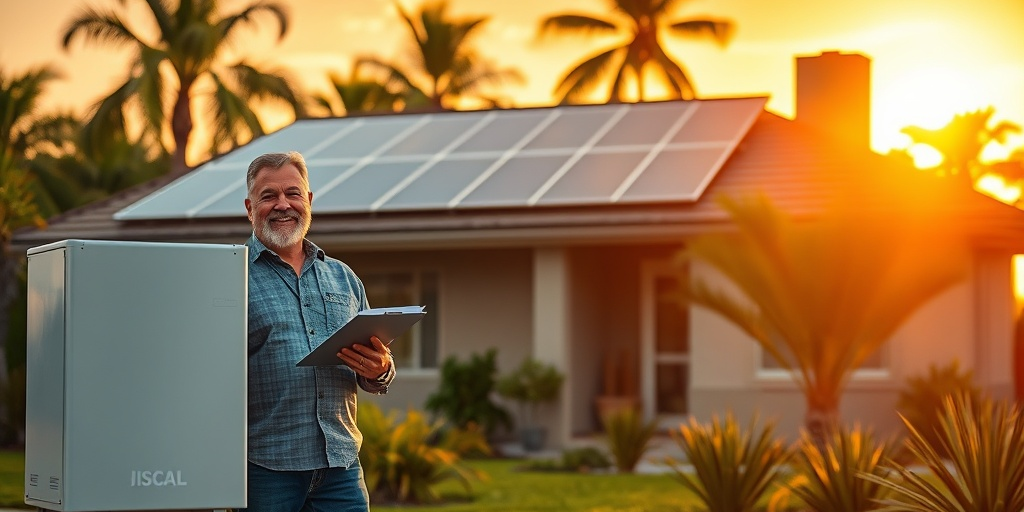
Do you know that more than 70% of Florida homeowners are now considering solar energy for their homes? This stark statistic underscores an undeniable surge in solar adoption in the Sunshine State. As energy costs continue to rise, and more Floridians look to embrace sustainable living, the urgency of making the right solar investment has never been more pressing. One of the most crucial elements of a solar system is its inverter. But how do you choose the right one? That’s where our guide titled 8 Steps to Choose the Right Inverter for Your Solar System comes into play, aiming to empower you with the knowledge necessary to make an informed decision.
In recent years, the solar industry has experienced remarkable growth; for instance, Florida ranked third in the nation for solar capacity installations in 2022, accumulating over 6,000 megawatts (SEIA.org). Meanwhile, a report showed that investing in solar can save homeowners thousands of dollars in utility bills over the lifetime of the system, increasing its importance, especially in Florida’s unique climate. As 2025 approaches, there are both federal incentives and state-specific benefits in play that could significantly enhance your solar savings and energy efficiency.
In this extensive guide, we’ll break down the essential steps in selecting the right inverter for your solar system, encompassing:
- Case Study: A Florida Homeowner’s Journey to Solar Success
- The Vital Checklist for Inverter Selection
- Myth-Busting Common Misconceptions About Solar Inverters
- Local Focus: Florida-Specific Insights and Recommendations
- Technical Deep-Dive: Understanding Inverter Technology and Its Impact
Prepare to embark on a journey that will unravel the complexities of solar inverters while setting you on the path to making an empowered solar investment.
Understanding Inverters: A Deep-Dive into the Heart of Solar Systems
Meet Jack, a fictional Florida homeowner residing in Gainesville. With rising electric bills that topped $200 monthly, Jack decided it was time to take control. After researching solar options, he realized that the inverter would be the heartbeat of his solar system—critical for maximizing performance and ensuring reliability. After connecting with a solar expert, Jack learned about the different types of inverters available in the market and how each could affect his overall energy savings.
Here are the key steps Jack followed as he selected the right inverter:
- Step 1: Determine Your Energy Needs
Before selecting an inverter, understand your household’s energy consumption. Analyze past electric bills to gauge monthly usage. Jack found his peak usage times and made note of his electric habits, which helped him decide on the inverter’s size. - Step 2: Choose Between Types of Inverters
There are three primary inverter types: string inverters, microinverters, and power optimizers. Jack learned that while string inverters are more economical, microinverters offer better performance in shaded areas crucial in Florida. - Step 3: Research Efficiency Ratings
Jack discovered that inverter efficiency is essential for maximizing energy production. He looked for inverters with efficiency ratings above 95%, ensuring that he’d capture the most solar energy possible for his home. - Step 4: Understand Warranty and Lifespan
With the inverter being so central to performance, Jack was keen on warranties. He ensured to select a product with at least a 10-year warranty, gaining more confidence in his investment’s longevity. - Step 5: Consider Smart Features
Many modern inverters come with monitoring systems and smart features. Jack opted for an inverter that enabled mobile access to his system’s performance, giving him peace of mind and the ability to optimize usage.
As Jack processed this information, he learned about common myths surrounding solar inverters. For instance, he discovered that many believe microinverters are always superior, but this is untrue; the best option depends on each homeowner’s unique circumstances, especially varying shade levels in different parts of Florida.
- How often sunlight hits your panels
- Your roof’s orientation
- Local climate conditions, including hurricanes and storms
Jack felt a wave of empowerment as he approached his decision-making. Ultimately, the journey would lead him not just to savings but also to energy independence.
Checklist: The Essential Steps to Choosing Your Solar Inverter
Let’s consolidate all this valuable information with a concise checklist to help you make the right decision on your solar inverter for 2025.
- Step 1: Analyze Your Energy Consumption
Utilize billing data to determine your monthly consumption patterns. - Step 2: Select the Right Type of Inverter
Evaluate options like string inverters, microinverters, or power optimizers based on your roof type and shading. - Step 3: Look for High Efficiency Ratings
Aim for efficiency ratings above 95% to maximize your solar energy capture. - Step 4: Consider Warranty and Lifespan
Prefer inverters with longer warranties (10 years or more) for added assurance. - Step 5: Explore Smart Features
Opt for inverters with monitoring capabilities to keep track of performance and adjust your energy use for cost savings.
This checklist will guide you in making a streamlined and informed choice, and for more tailored assistance, connect with the experts at floridaelectricandsolar.com.
Myth-Busting: Common Misconceptions About Solar Inverters
There are a plethora of myths surrounding solar energy technology, specifically inverters. Let’s debunk some common misunderstandings that could mislead you during your decision-making process.
- Myth #1: All Inverters Are the Same
Many believe that one inverter fits all, but that’s far from true. Each inverter type has unique advantages and limitations based on your specific requirements, such as roof orientation and shading. - Myth #2: Higher Initial Costs Means Better Quality
While higher-priced inverters often come with additional features, this is not a guarantee of better performance. It’s crucial to assess performance with efficiency ratings and service history. - Myth #3: Microinverters Are Always the Best Option
Microinverters may be beneficial for shaded areas, but they are not universally superior. String inverters could be more efficient for open, sunny roofs common in Florida.
Understanding these myths can significantly affect your buying choice. In 2025, expect advancements in technology that may further enhance the inverter landscape, making it vital to stay informed.
Local Focus: Florida-Specific Insights on Solar Inverters
When navigating the solar industry, Florida-specific insights can be invaluable for decision-making. The state has unique climate conditions and policy frameworks that can affect your solar investment significantly.
The Florida Solar Energy Industries Association (FlaSEIA) reported that the state’s net metering policy allows homeowners to receive credit for excess energy fed back into the grid. This is a game-changer for solar system owners, as it maximizes savings on electric bills.
- Look into the sunniest counties in Florida, such as Sarasota and Palm Beach, where energy production is maximized.
- Be aware of incentives like the Property Assessed Clean Energy (PACE) financing program available to Floridians, which enhances the attraction of solar investments.
- Check local utility regulations, as they can impact your return on investment based on the solar energy you generate versus what you use.
Equipped with local knowledge and insights, Florida homeowners can make informed decisions about which types of inverters would provide the best efficiency and sustainability outcomes.
Technical Deep-Dive: Understanding Inverter Technology and Its Impact
The landscape of inverter technology continues to evolve, offering benefits ranging from improved efficiency to real-time monitoring capabilities. Understanding this technology is crucial for making an educated decision.
Modern inverters convert the direct current (DC) generated from your solar panels to alternating current (AC), the type of electricity used in homes. As this technology has progressed, we’ve seen notable advancements:
- Increased Efficiency: New models boast efficiencies of over 98%, ensuring minimal energy loss—an essential factor in maximizing solar savings.
- Smart Communication: Advanced inverters enable communication with other smart home devices, promoting energy management.
- Resilience Against Outages: Some inverters can provide backup power during a grid outage, offering peace of mind.
Ultimately, understanding how these technological improvements affect performance can lead to significant savings, emphasizing the need for a thorough evaluation before making your purchase.
Next Steps for Florida Solar Buyers in 2025
Stepping into your solar journey can be overwhelming, but breaking it down into actionable steps makes the process smoother. Follow these next steps to take control of your energy future:
- Step 1: Audit Your Electric Bill
Begin by reviewing your electric consumption patterns, helping you understand how much solar power you’ll need. - Step 2: Research Different Inverter Types
Familiarize yourself with various inverter options, weighing the pros and cons according to your unique situation. - Step 3: Consult a Solar Expert
Speaking with a certified solar advisor can provide direction tailored specifically to your needs. - Step 4: Consider Local Incentives
Investigate programs and incentives available in Florida that can offset costs and improve your return on investment. - Step 5: Finalize Your Decision and Purchase
Armed with all the necessary information, move forward to select your inverter and install your solar energy system.
Bearing in mind these steps will not only reduce friction in your decision-making process but also pave the way to energy independence for your Florida home. For tailored advice, check out floridaelectricandsolar.com.
As you wrap up your research, remember the exciting opportunities that solar energy presents. The knowledge you’ve gained about choosing the right inverter holds the potential for cost savings and sustainability that could last decades. In 2025, as you consider entering this amazing world of solar energy, you’ll have the foundation to select wisely, ensuring that you take advantage of every benefit available to you.
Ready to start your solar journey in 2025? Connect with a certified expert at floridaelectricandsolar.com today. Your future of energy independence awaits!
Related Articles
More insights about Inverter

5 Critical Steps for Choosing the Right Inverter

7 Essential Tips for Choosing the Right Inverter

Technical Deep-Dive: Choosing the Right Inverter for Your Solar System
Ready to Go Solar?
Have questions about solar energy? Our experts are here to help you make the switch to clean, renewable energy.