
9 Steps to Solar Panel Installation Success for Florida Homeowners
Share:
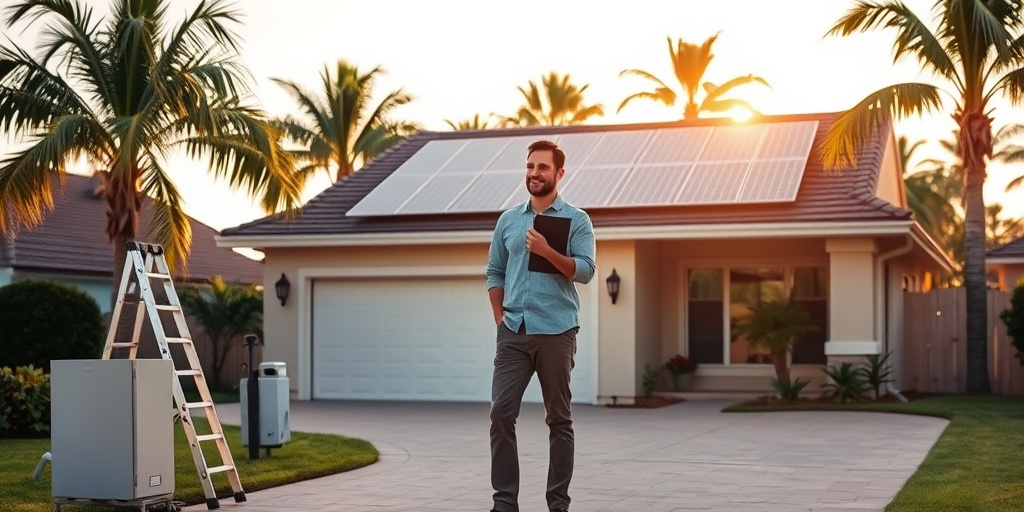
In recent years, the landscape of energy consumption has been significantly reshaped by solar energy, especially in sunny climates like Florida. A compelling statistic shows that nearly 92% of Florida residents support solar energy programs (SEIA.org). As energy costs rise and environmental awareness grows, the urgency for homeowners to consider solar power has never been greater. With a projected increase in residential electricity rates by 4% annually, homeowners are looking for ways to combat rising costs (FloridaElectric.com). This is why Florida homeowners need to grasp the benefits of solar power in 2025. In this article titled 9 Steps to Solar Panel Installation Success for Florida Homeowners, we will guide you through the precise steps to maximize your savings and system efficiency from day one. We’ll discuss real homeowner experiences, debunk myths about solar, highlight local regulations, and provide you with an actionable checklist designed to ensure your solar journey is successful.
Let’s dive into the details to equip you with the knowledge needed to embark on the solar installation process!
A Comprehensive Guide to Solar Panel Installation Success
When considering the installation of solar panels, it is crucial to base your decision on a solid framework. To help you achieve a seamless transition to solar energy, we’ve structured the following into a detailed checklist format. This will ensure you don’t miss any essential steps along the way, and you can bask in the sunlight of your newly installed solar panels without worry.
Case Study: The Ramirez Family Experience
The journey to solar energy can be seen through many lenses, but few are more illuminating than that of the Ramirez family from Tampa, Florida. Facing increasing electric bills of about $250 monthly, they began exploring renewable energy options. After extensive research, they decided to go solar, particularly after learning about federal tax credits and local incentives available in Florida.
- **Research Potential Savings**: After installing their solar panels, the Ramirez family noticed a dramatic reduction in their electric bill, which decreased by more than 60%. This savings fused with the state tax incentives illuminated their financial path (Energy.gov).
- **Choose the Right Installer**: They also focused on selecting a reputable solar installer. Reviews and customer testimonials played a crucial role in narrowing down choices. The chosen company demonstrated a solid track record and offered warranties, thus cementing the family’s confidence.
- **Engagement with Utility Providers**: During the process, they engaged with their utility provider to discuss net metering. This initiative allowed them to receive credits for excess energy produced, proving vital in maximizing their system’s efficiency.
This real-life example perfectly illustrates how careful planning can lead to substantial savings—financially and environmentally. To achieve similar success, follow these crucial steps along your solar panel installation journey.
Checklist for Solar Panel Installation
Here, we present a straightforward checklist to guide you step by step:
- Step 1: Assess Your Home’s Solar Potential
Conduct a thorough analysis of your property’s solar availability. Consider factors like roof orientation, shading from trees, and roof age. Ideally, your roof should be south-facing and unobstructed to achieve optimal performance and efficiency of solar energy production. - Step 2: Research Local Incentives and Policies
Understanding local policies is crucial for any Florida homeowner. Research available state and federal incentives as well as permitting requirements. The Florida Solar Energy Center is an excellent resource for up-to-date regulations and incentive programs. - Step 3: Get Multiple Quotes
Don’t settle for the first solar panel installation quote you receive. Get at least three quotes from different companies to understand pricing and offerings. Ensure the quotes include a breakdown of costs, warranties, and future maintenance services. - Step 4: Evaluate Financing Options
Explore different financing options such as cash purchases, solar loans, or leases. Each has its pros and cons, so align your choice with your financial goals and cash flow situation. - Step 5: Choose Your Install Location Wisely
The placement of solar panels is vital for maximum sunlight exposure. Avoid locations with significant shadowing from nearby objects. Work with your installer to ensure the configuration maximizes energy production.
By following these structured steps, you are setting the stage for a successful solar panel installation. But it’s essential to also address some common misconceptions about solar energy before making your decision.
Myth-Busting: Common Misconceptions About Solar Energy
In your journey toward solar energy, you may encounter several myths that could deter you from making informed decisions. Let’s debunk some of the most prominent misconceptions:
Myth #1: Solar Panels Are Too Expensive
While initial costs can be significant, numerous financing options are available, including tax credits and local incentives. The average cost of solar has dropped significantly—down nearly 70% since 2010 (SEIA.org)—making solar power more accessible than ever.
Myth #2: Solar Energy Doesn’t Work in Cloudy Weather
This is false! Solar panels can still generate electricity even on cloudy days. In fact, they work effectively on overcast days, as they do not require direct sunlight but rather sunlight’s photons to create energy.
Myth #3: You Can’t Move Towards Solar if You’re Not Homeowners
Renters can explore community solar programs, allowing them to subscribe to solar developments without owning the property. This enables access to solar energy benefits without needing a roof to install panels.
Myth #4: Solar Power Is Only for the Wealthy
Solar energy technology has become more affordable, and states like Florida offer various assistance programs to low-income households. It’s vital to note that there is a solution for everyone interested in renewable energy.
Myth #5: Solar Panels Require a Lot of Maintenance
Solar panels are incredibly low maintenance. Regular cleaning and a professional inspection once a year are typically sufficient to keep your solar energy system efficient. Most manufacturers provide warranties that last for 25 years or more, further increasing their reliability (SolarReviews.com).
Dispelling these myths is vital to understanding the realities of solar energy. Let’s take a Florida-specific look at the market’s current state to leverage solar power effectively.
Florida’s Solar Landscape
Florida is known as the “Sunshine State,” making it ideal for solar energy production. In 2023, Florida ranked second nationally in installed solar capacity, surpassing 5 gigawatts of installed capacity (SEIA.org). With over 3 million residential properties in the state, this market holds tremendous promise.
Additionally, initiatives such as the state’s net metering policy further incentivize solar adoption. Homeowners can receive credit for the energy exported back to the grid, effectively lowering their energy costs. Over the next few years, solar energy is expected to play a crucial role in Florida’s strategy to develop a clean energy economy.
- **Performance-Based Incentives**: Florida’s performance-based incentives reward solar users based on the amount of energy produced. This is designed to benefit homeowners financially while reinforcing robust support for renewable energy.
- **Statewide Solar Policies**: The state’s support through the Florida Renewable Energy Policy is targeting significant growth in renewable energy sources—aiming for 25% clean energy by 2030.
- **Impact of Hurricane Season**: Unique to Florida, homeowners should understand that solar panels can withstand severe weather conditions, with many panels rated to endure strong winds. This adds a layer of resilience which is vital for property owners in hurricane-prone areas.
By understanding Florida’s solar landscape, you’re starting to visualize the advantages of going solar. Let’s delve into some industry best practices that can revolutionize your solar journey!
5 Expert Solar Installation Tips for 2025
As we move into 2025, these expert tips will ensure your solar energy experience is efficient and effective:
Tip #1: Don’t Skimp on Panel Placement
The orientation of your solar panels has a significant impact on energy production. Optimize panel placement with the guidance of a professional installer to ensure maximum sun exposure throughout the day.
Tip #2: Understand Your Energy Bill
Getting familiar with your electric bill will help you grasp your energy consumption trends and design a system that meets your needs effectively. Understanding your peak usage hours will allow you to design a more efficient system.
Tip #3: Invest in Quality Equipment
Research quality solar panels and inverters before your installation. Equipment that holds reputable warranties, displays high performance ratings, and has good customer reviews ensures a reliable solar system.
Tip #4: Monitor Performance Regularly
Once your solar energy system is up and running, regularly check its performance. This is vital for detecting any potential issues and ensuring that your system operates efficiently.
Tip #5: Stay Informed About Policies and Incentives
Regulations and incentives can change. Staying updated can help you make well-informed decisions, including when to take advantage of available tax credits and rebates (Energy.gov).
By applying these best practices, you will greatly enhance your experience and your investment’s longevity.
Next Steps for Florida Solar Buyers in 2025
Congratulations on your decision to consider solar energy! Here’s an actionable plan to put you on the fast track toward successful solar panel utilization:
- Step 1: Audit Your Electric Bill
Review your past electric bills to identify trends and potential savings. Understanding this data will give you clarity on your solar needs and potential savings from installation. - Step 2: Research Solar Companies
Find reputable solar companies in your area. Look for customer reviews and testimonials to gauge their reliability and service quality. FloridaElectricAndSolar.com is a great starting point! - Step 3: Schedule Consultations
Engage with multiple solar providers. The consultations should include discussions surrounding energy assessments, equipment options, and custom system designs tailored to your needs. - Step 4: Finalize Your Financing
Explore financing options that are most suitable. Whether it’s a cash purchase, solar loan, or lease, make an informed decision based on your financial situation. - Step 5: Prepare for Installation
Once you’ve finalized your equipment and plan, prepare for your solar panel installation. Ensure your roof is ready and the installation team has access to necessary areas.
Following these steps will streamline your solar journey, ensuring a hassle-free experience. As evident from previous sections, the benefits of solar energy far outweigh any obstacles, making 2025 the perfect year to transition.
Conclusion
Your pathway to sustainable energy begins here. From dispelling myths to unveiling step-by-step strategies for success, this guide has equipped you with the essential knowledge required for solar panel installation in Florida. As energy prices surge and sustainability remains at the forefront of our future, having solar panels installed not only will protect you against rising costs but will also ensure that you contribute positively to the environment.
In a sunny state like Florida, the transition to solar power seems not just feasible but incredibly beneficial for every household. Remember, the journey to energy independence can begin right now. Don’t let uncertainty hold you back. Invest in your future, your finances, and the planet. Connect with a certified expert at floridaelectricandsolar.com today!
Related Articles
More insights about Solar Panel

Florida Homeowners: Why Solar Panel Maintenance Is Essential

7 Essential Steps for Solar Panel Installation Success

Expert Insights: Key Factors Influencing Solar Panel Lifespan
Ready to Go Solar?
Have questions about solar energy? Our experts are here to help you make the switch to clean, renewable energy.