
Beginner’s Guide to Choosing the Right Inverter for Solar Systems
Share:
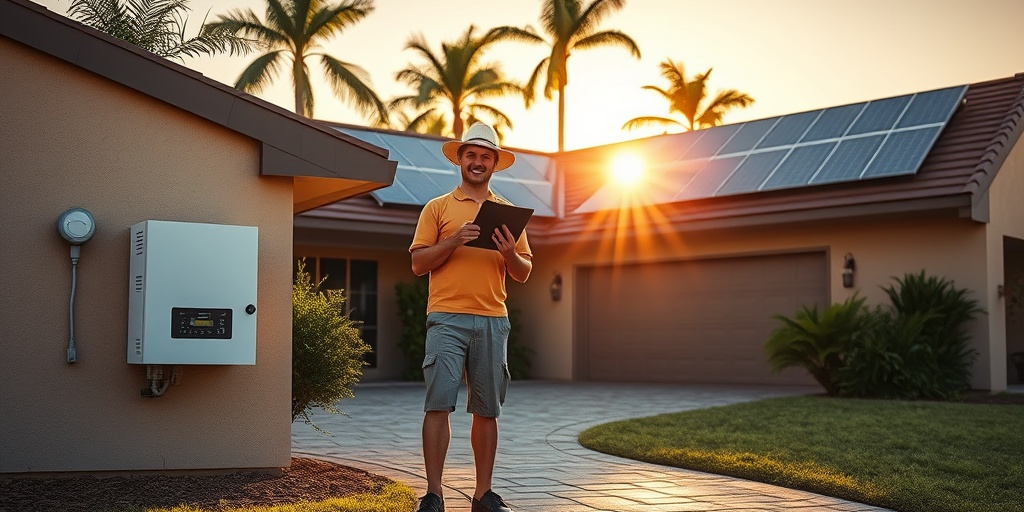
Imagine slashing your electric bills while harnessing the boundless energy of the Florida sun—sounds appealing, right? With solar energy adoption on the rise, homeowners across the Sunshine State are asking themselves one critical question: how do I choose the right inverter for my solar system? In fact, studies show that the right inverter can enhance solar efficiency by more than 20% (NREL.gov). Welcome to our “Beginner’s Guide to Choosing the Right Inverter for Solar Systems.” This comprehensive guide will illuminate the path toward optimizing your solar energy experience, ultimately empowering you to take charge of your energy future.
As a Florida homeowner, it’s crucial to make informed decisions, especially with rising energy costs and evolving regulations projected for 2025. A pivotal aspect of your solar system lies in its inverter, which converts the DC electricity generated by your solar panels into usable AC electricity for your home. In 2025, solar incentives will become increasingly vital, and understanding this technology will help you maximize your savings and energy independence.
In this guide, we’ll explore five key sections that will provide you with all the knowledge you need to make confident, informed decisions. First, we will dive into a case study of Florida homeowners reaping the rewards of choosing the perfect inverter to suit their needs. Next, we’ll provide you with a comprehensive checklist of steps to follow in your inverter selection process. Following that, we will bust some common myths surrounding inverters to clarify any misunderstandings you might have. Then, we’ll focus on Florida-specific regulations, incentives, and statistics that make this information particularly relevant. Finally, we will conduct a technical deep dive into inverter types and their efficiencies. Let’s jump into it!
Understanding Inverters: A Case Study of Florida Homeowners
Meet the Gomez family from Tampa, Florida. After years of fluctuating electric bills and a growing concern about climate change, they decided to invest in solar energy. The Gomezes knew their journey involved selecting a reliable inverter, pivotal to their solar system’s effectiveness. They began by researching various inverter options and their impacts on energy savings. Their journey led them to choose a microinverter system.
Microinverters, unlike their string counterparts, are installed on each solar panel, allowing for independent operation. This means if one panel is underperforming due to shade or dirt, it won’t affect the performance of the others. The result? The Gomezes achieved a remarkable 30% increase in energy yield (SolarReviews.com). Their decision exemplifies how choosing the right inverter can directly impact your solar energy efficiency.
- Step 1: Research types of inverters (microinverters vs. string inverters).
- Step 2: Understand performance specifications and warranties.
- Step 3: Consult with a trusted solar advisor.
- Step 4: Compare product reviews and installation services.
- Step 5: Consider future technology updates and compatibility.
The Gomezes also took advantage of Florida’s net metering program, which allows them to receive credits for excess energy produced by their system. This critical component further underscores the importance of their inverter in facilitating energy flow back to the grid. As energy prices fluctuate, securing an inverter that optimizes efficiency not only enhances savings but also contributes to a more stable grid system in Florida’s growing energy landscape.
Now that we have explored a real-life example, let’s take a moment to examine common misconceptions about solar inverters that may be clouding your judgment.
Busting Myths: Understanding Solar Inverters
Myth #1: All inverters produce the same energy efficiency.
Fact: Inverters can vary significantly in efficiency ratings, ranging from 90% to over 98%. Selecting a high-efficiency inverter can maximize your system’s performance (Energy.gov).
Myth #2: The more expensive the inverter, the better it will perform.
Fact: While price can indicate quality, many affordable options provide excellent performance. Evaluating based on specifications and warranties is crucial in making an informed choice.
Myth #3: Once installed, the inverter doesn’t require maintenance.
Fact: Just like any electrical component, inverters may need periodic checks to ensure they’re running optimally. An inverter monitoring system can offer insights and alerts for any issues.
Myth #4: There is a one-size-fits-all inverter for every solar system.
Fact: The right inverter depends on factors such as the size of your solar array, roof space, and specific energy needs. Understanding your unique circumstances is critical.
Myth #5: All inverters are the same regarding warranties.
Fact: Warranty terms vary widely, from 5 to 25 years. Longer warranties usually indicate confidence in the product’s longevity and reliability.
These myths are common but can lead to poor choices when investing in a solar system. Florida homeowners should approach this topic with clarity to ensure they make informed decisions that will benefit them financially. Next, let’s explore some best practices tailored for Florida solar buyers considering their inverter options.
5 Expert Solar Installation Tips for 2025
Installing solar panels and choosing the right inverter can feel overwhelming. However, implementing the following tips can streamline the process and keep you on track for a successful solar transition in 2025.
Tip #1: Don’t skimp on panel placement. Proper orientation plays a vital role in energy capture. Ensure panels face south or southwest to maximize sunlight exposure, enhancing solar output.
Tip #2: Choose a reliable installer. Selecting a reputable solar installer in Florida is crucial. Look for certifications and positive customer reviews and consult with them about which inverter will best suit your setup.
Tip #3: Monitor performance regularly. Consider purchasing monitoring software or equipment to keep tabs on your solar output. This proactive approach allows you to identify any inefficiencies quickly.
Tip #4: Explore all financing options. Take advantage of federal and state incentives that can significantly lower your initial investment. The federal solar tax credit is set to decline in the coming years (DSIREUSA.org), making 2025 a strategic time to invest.
Tip #5: Stay informed about technology advancements. Solar technology is rapidly evolving. Stay up-to-date on emerging inverter technology, such as smart inverters that can communicate directly with the grid, maximizing energy efficiencies.
Each of these tips targets vital areas of concern for Florida homeowners and commercial property owners. Armed with this knowledge, your selections will become more manageable and effective as you prepare for your solar transition in 2025 and beyond.
Technical Deep-Dive: The Science of Solar Inverters
Inverters play an essential role in transforming solar energy into usable power. But what exactly do they do? Let’s break it down.
- Conversion of Energy: Inverters convert the Direct Current (DC) generated by solar panels into Alternating Current (AC), which is the form of electricity used in homes.
- Monitoring Capabilities: Many modern inverters come equipped with monitoring systems that track energy production in real-time, a vital tool for homeowners looking to tweak energy use and maximize output.
- Grid Interaction: Inverters enable communication between your solar system and the utility grid, playing a crucial role in your ability to sell excess energy back to your local utility provider.
Understanding these components helps homeowners maximize their solar system efficiency and adaptability to your local utility requirements.
Florida has made strides in promoting solar energy adoption. The state offers net metering, tax exemptions, and even rebates for solar installations, encouraging homeowners to invest. As you delve into the specifications of different inverter types, weigh issues like efficiency ratings, durability, and additional capabilities. Established brands often provide comprehensive warranties and backup support, which can save you considerable headaches down the road.
Let’s recap the significant next steps that Florida homeowners should take as they pursue solar energy solutions.
Next Steps for Florida Solar Buyers in 2025
With so much information available, knowing where to start can feel overwhelming. Follow these actionable steps to ensure you make the best decisions for your solar installation and inverter choice:
- 1. Audit Your Electric Bills: Analyze your energy usage to determine your electricity needs before you consult solar companies.
- 2. Research Local Incentives: Understand the financial incentives available in Florida, ensuring you don’t miss out on potential savings.
- 3. Get Multiple Quotes: Contact at least three solar providers to compare offers, which can help you select the best deals and systems.
- 4. Ask About Equipment: Inquire about the specific equipment options, including inverters, warranties, and performance guarantees.
- 5. Schedule a Consultation: Arrange an in-home consultation with a solar advisor to review your property and discuss options.
Each step is vital in enabling property owners to make informed decisions, ultimately leading to maximizing investment and enhancing energy independence. As Florida continues its trajectory toward sustainable energy solutions, being proactive will pay off significantly.
In conclusion, our “Beginner’s Guide to Choosing the Right Inverter for Solar Systems” emphasizes the critical role that inverters play in unlocking solar efficiency. With the correct inverter type and understanding the relevant myths, tips, benefits, and action steps, you can take charge of your energy needs and secure financial savings. As we approach 2025, a year of crucial incentives and solar advancements, now is the time to educate yourself on solar energy. Investing in solar can create a sustainable future for you and your family, reducing dependency on fossil fuels and ensuring a greener tomorrow.
Ready to start your solar journey in 2025? Connect with a certified expert at floridaelectricandsolar.com today.
Related Articles
More insights about Inverter

5 Critical Steps for Choosing the Right Inverter

7 Essential Tips for Choosing the Right Inverter

Technical Deep-Dive: Choosing the Right Inverter for Your Solar System
Ready to Go Solar?
Have questions about solar energy? Our experts are here to help you make the switch to clean, renewable energy.