
Beginner’s Guide to Solar Panel Maintenance for Florida Homeowners
Share:
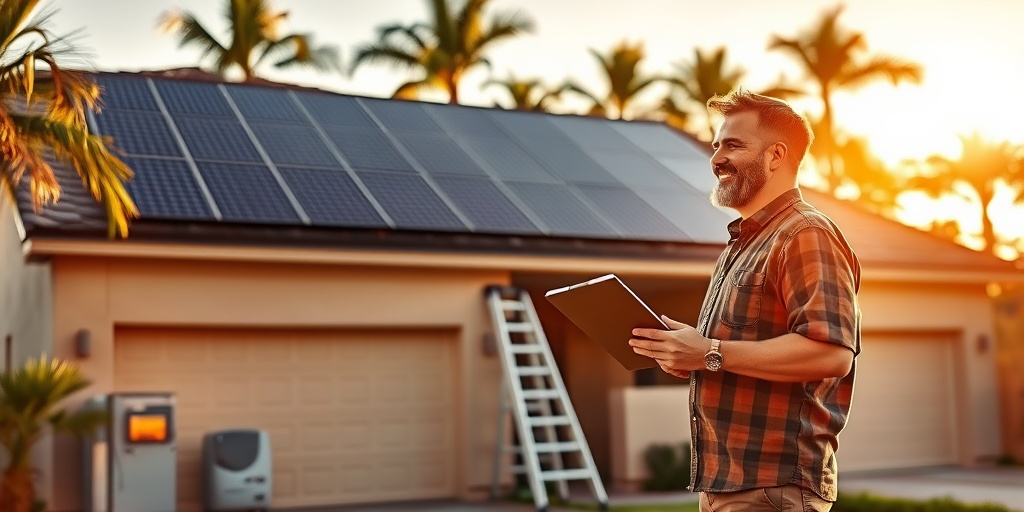
Imagine this: you’ve just made the leap to solar energy in sunny Florida, investing in a system that promises to reduce your bills and empower your family. But as the months pass, do you find yourself wondering how to keep those shiny panels at their best? Here’s the truth—maintaining your solar panels is not just important; it’s crucial to maximizing your investment and ensuring long-term efficiency. Welcome to the Beginner’s Guide to Solar Panel Maintenance for Florida Homeowners. According to the Solar Energy Industries Association (SEIA), the solar power market has exploded, with over 20 million solar panels installed across the U.S. by 2022 alone. Furthermore, Florida ranks number three among states for installed solar capacity, making such maintenance practices not just smart but essential. Why is this topic urgent in 2025? With rising energy costs and various new incentives expected to come into play, every penny counts. In this guide, we’ll walk you through everything from basic upkeep to specialized knowledge tailored for Florida’s unique climate. Here’s a brief overview of what you can expect: we will uncover success stories, create a step-by-step checklist for maintenance, debunk common myths, explore local regulations, and dive deep into the technical aspects of solar systems.
Understanding Your Solar System: A Case Study
Picture the Smiths, a typical Florida family that decided to switch to solar power in 2023. Their four-bedroom home in Orlando was consuming excessive energy, leading to sky-high electric bills. They installed a 10 kW solar system with the hope of cutting their monthly power costs. Fast forward to 2025, they noticed a substantial dip in efficiency, with reduced electricity production on their high-tech monitors. They worried that their investment might be going to waste until they learned about maintenance practices.
For the Smiths, the first step was realizing that solar panels require periodic cleaning to function efficiently. In Florida, dust, pollen, and bird droppings can accumulate on panels, particularly after the dry season. According to the National Renewable Energy Laboratory (NREL), improper maintenance can decrease solar panel efficiency by over 20%. To illustrate this, the Smiths found that after an afternoon of rinsing their panels, their energy output increased by almost 25% within days of cleaning!
Here’s a quick maintenance checklist they followed:
- Monitor System Performance: Regularly check your inverter’s performance metrics.
- Visual Inspection: Look for physical damage like cracks or corrosion.
- Panel Cleaning: Use a hose or call in professionals if necessary.
- Check Electrical Connections: Ensure all wiring is secure and intact.
- Annual Inspection: Hire a professional to inspect your system.
This story is more than just anecdotal; it reflects a common experience among Florida homeowners. As of 2023, over 60% of homeowners reported increased satisfaction with their solar energy systems, largely due to consistent maintenance (Energy.gov).
Myth #1: “My panels don’t need cleaning.” The truth: debris buildup can lead to efficiency losses. Myth #2: “Rain will clear off dirt.” While rain helps, it often isn’t enough in Florida’s humid conditions. Myth #3: “Solar is low-maintenance, so I can ignore it.” Regular check-ups are crucial—just as you wouldn’t ignore routine car maintenance!
The bottom line is that solar panels represent a substantial investment for Florida homeowners, and regular care can keep that investment performing at its peak. Not only does this maintenance maximize solar savings, but it also boosts confidence in your energy independence. Ready for the journey? Let’s move to actionable steps on maintaining your solar system effectively!
Step-by-Step Solar Panel Maintenance Checklist
Are you prepared to properly maintain your solar energy system? Step 1 involves taking charge of your upkeep to secure your investment. The importance of a well-maintained solar panel system cannot be overstated, especially as solar power becomes a more prevalent source of energy in Florida. Here’s your exclusive checklist that every homeowner should follow:
- Clean Regularly: Aim to clean your solar panels at least twice a year. However, if you live near heavy pollen areas or bird nests, you might need more frequent cleanings. Always use a soft sponge or a hose—never abrasive materials.
- Inspect Periodically: Conduct a visual inspection of your system every few months. Look for obvious signs of damage: cracks in the glass, loose wiring, or shading by trees that may require trimming.
- Keep an Eye on Performance: Familiarize yourself with the normal energy production of your solar array. If you notice significant drops, don’t ignore them! This could be an early sign of maintenance issues.
- Track Your Warranty: Ensure you understand the specific requirements to maintain your warranty. Manufacturers often denote maintenance protocols that, if not followed, can void your warranty.
- Consult Professionals: Schedule an annual professional maintenance check. Experts can identify potential issues before they escalate, saving you money in the long run.
Adhering to these steps ensures the longevity of your photovoltaic system and optimizes its performance. Remember to leverage local resources, such as floridaelectricandsolar.com, for guidance on reliable maintenance services in your area. With maintaining solar panels increasingly becoming part of the national conversation on energy independence, your proactive approach will allow you to cut electric bills effectively and invest in a sustainable future.
Debunking Common Solar Myths
While solar energy becomes a growing part of the energy landscape, many myths persist that can hinder its potential for homeowners. Myth #1: “All solar panels are the same.” In reality, panels vary significantly in terms of efficiency, durability, and warranty conditions. Research is vital.
Myth #2: “High-efficiency panels are the only option.” Not necessarily! While high-efficiency models might produce more energy, often standard models can offer greater value depending on your situation.
Myth #3: “Solar panels are too expensive.” While the upfront costs can seem high, remember, incentives like federal tax credits and local rebates can reduce these expenses significantly. Did you know that Floridians can take advantage of a 26% tax credit for solar installations through 2025? (DSIREUSA.org)
Myth #4: “I can’t afford the upkeep on solar panels.” Failures in maintenance often stem from misdirected budget concerns. Establishing preventative measures can often minimize costly repairs later on.
Myth #5: “Solar power won’t work in Florida’s humidity.” While humidity may pose some challenges (like mildew on panels), the vast majority of Florida’s solar systems are designed to withstand high humidity and remain effective.
By understanding the truths behind these myths, you can feel empowered in your decision to invest in solar energy. Florida homeowners who dispel these misunderstandings are more likely to maximize solar savings and appreciate their investment fully.
Technical Deep-Dive: The Ins and Outs of Solar Panel Systems
As the solar market grows, understanding your system becomes increasingly important. Your solar panels convert sunlight into direct current (DC) electricity, which your inverter then converts into alternating current (AC) electricity for home use. If maintenance isn’t handled correctly, components like your inverter can fail.
For instance, if dust accumulates on the panels, it can diminish their output by 20% or more, as stated by Energy.gov. Additionally, mechanical failures, like those found in older system designs, can quickly lead to issues if not addressed swiftly. A recent survey showed that approximately 12% of Florida solar homeowners reported problems related to inverter failures or panel efficiency—a clear indicator that it’s time for active engagement in maintenance (SolarReviews.com).
Inverters typically last between 5 to 10 years, depending on the model, and they will require replacement after this period. Make sure you are aware of your warranty and replacement timelines. Here’s a closer look at vital components of your solar system to keep an eye on:
- Solar Panels: Inspect for visible wear and tear, such as cracks, discoloration, or physical damage.
- Inverter: Track its performance and understand when it needs to be replaced, ideally correlating it with your annual professional checks.
- Batteries: If you’re using a battery backup, ensure it’s routinely monitored for capacity and functioning optimally to enjoy seamless power supply.
- Wiring: Ensure electrical connections are robust and upgrade wiring if it shows signs of aging; faulty connections can result in serious electrical hazards.
Florida’s investment in solar is not just about homeowners—it’s about a sustainable and resilient future. The solar energy industry in states like Florida is evolving rapidly, with Rosenberg & Associates noting that the number of solar jobs has increased by over 30% in recent years, further affirming the relevance of solar. Knowing how to maintain your system effectively is tantamount to embracing these changes. Regularly engage with your system, understand its components, and you will not only enjoy peace of mind but a sustained energy independence.
Next Steps for Florida Solar Buyers in 2025
After grasping the fundamentals of solar panel maintenance, the next logical step is creating an actionable plan tailored to your specific needs. Here’s your roadmap to avoid common pitfalls and ensure you’re well-prepared for maintenance in 2025!
- Audit Your Electric Bill: Check for spikes in your energy costs; these could indicate declining solar performance.
- Know Your System: Familiarize yourself with each component of your solar system and its optimal functioning.
- Schedule a Comprehensive Inspection: Make arrangements for an annual inspection with certified professionals by the time your warranty begins to expire.
- Budget for Cleanings and Repairs: Set aside funds regularly in anticipation of necessary maintenance costs, which will vary based on your system and local conditions.
- Stay Informed: Keep abreast of local policies and incentives that could save you money in the future. For example, check floridaelectricandsolar.com for the latest updates on solar-related news in Florida.
Taking these steps ensures that you fully embrace your solar journey and reap the rewards it promises—lower electricity bills, increased energy independence, and a more sustainable lifestyle for you and your family. The future is bright for solar energy, but your proactive action today is what will define your long-term success.
In conclusion, maintaining your solar panels is not just a task on a checklist; it’s an empowering action to safeguard your investment in clean energy for your home. The Smiths of Orlando are proof that understanding and implementing maintenance strategies can enhance the efficiency and longevity of your solar energy system. You now possess the tools to maximize your investment as solar ownership in Florida expands in the coming years.
Your decision to invest in solar isn’t merely an economic one; it’s a lifestyle choice that speaks to environmental responsibility. Whether you are dealing with dust accumulation or checking for inverter performance, every step counts toward optimizing your energy savings. Are you ready to start your solar journey in 2025? Connect with a certified expert at floridaelectricandsolar.com today!
Related Articles
More insights about Solar Panel

Florida Homeowners: Why Solar Panel Maintenance Is Essential

7 Essential Steps for Solar Panel Installation Success

Expert Insights: Key Factors Influencing Solar Panel Lifespan
Ready to Go Solar?
Have questions about solar energy? Our experts are here to help you make the switch to clean, renewable energy.