
Beginner’s Guide to Solar Panel ROI Breakdown for Florida Homeowners
Share:
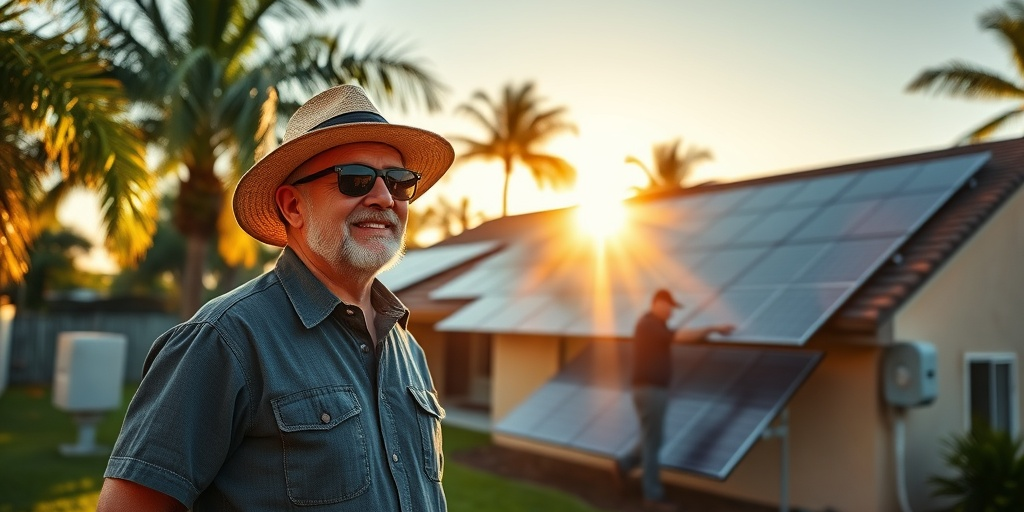
Imagine receiving your energy bill in the mail, only to see it slashed significantly. What if you could invest today for tremendous long-term savings and contribute to a more sustainable future? Welcome to our Beginner’s Guide to Solar Panel ROI Breakdown for Florida Homeowners, where we will unravel everything there is to know about maximizing your solar savings in the sunny state of Florida. Did you know that solar energy could potentially reduce your electric bills by 50-90%? Moreover, as of 2023, nearly 400,000 homes in Florida powered their lives with solar energy at a remarkable growth rate of 20% annually (SEIA.org). However, the question arises: is the investment worth it? The answer isn’t just about energy efficiency, but it’s about financial prudence, especially in 2025 with rising energy costs and possible new solar incentives on the horizon.
As we delve into this guide, we will explore the landscape of solar panels, the comprehension of return on investment (ROI), and the real benefits of gasoline-free and grid-independent living. Our breakdown will cover five essential sections that will offer you clarity, actionable insights, and the empowering knowledge needed to make an informed decision:
- Case Study: A Florida family’s journey into solar energy.
- Checklist: Key steps to consider when venturing into solar.
- Myth-Buster: Dispel common myths surrounding solar investment.
- Local Focus: Specific statistics and policies relating to Florida.
- Technical Deep-Dive: Understanding the nuts and bolts of solar installation and ROI calculations.
Let’s embark on this enlightening journey into solar energy for Florida homeowners to not only save money but to pave the way for a brighter, cleaner, and more sustainable future.
Understanding the Value of Solar: A Florida Family’s Journey
Meet the Johnsons of Orlando, Florida—a family of four determined to reduce their electricity bills. Faced with soaring energy rates averaging $120 a month, they decided to do something about it. After researching, they concluded that going solar not only made environmental sense but financial sense too. They found a trustworthy installer and took the plunge in 2023.
The initial investment for their 6-kilowatt solar system was approximately $18,000. The family was skeptical about the ROI. However, they learned that thanks to the federal solar tax credit of 30% available until 2032, they could deduct $5,400 from their tax obligations (Energy.gov). Thus, their actual investment lowered to about $12,600.
The installation allowed them to generate nearly 7,500 kilowatt-hours of energy annually. Coupled with Florida’s abundant sunshine, they immediately began saving nearly $100 a month, which translates to about $1,200 annually—an excellent return on investment.
But the benefits went beyond numbers. The financial relief transformed the Johnsons’ lifestyle, allowing them to allocate funds to their children’s education and for family vacations. This experience talks to the emotional intricacies of solar investments. More than a financial metric, it’s about quality of life.
How to Approach Your Solar Energy Journey: 5 Critical Steps
Embarking on your solar journey can feel overwhelming. However, breaking it down into actionable steps can demystify the process:
- Step 1: Evaluate Your Energy Needs
Start by reviewing your electricity usage. Look at your past utility bills to determine your average consumption. This data will help configure the size of the solar system you need. - Step 2: Research Incentives
Florida homeowners can benefit from various federal, state, and local incentives, including the 30% federal tax credit (SEIA.org). Investigate what grants and rebates apply in your local area to reduce upfront costs. - Step 3: Get Quotes from Installers
Seek at least three quotes from different solar companies. Compare the offerings and check their customer reviews through reputable platforms (SolarReviews.com) to ensure you choose a trusted installer. - Step 4: Assess Financing Options
Understanding financing is crucial. You can purchase the system outright, finance it via a loan, or enter into a leasing agreement. Explore the pros and cons to see what aligns with your financial situation. - Step 5: Plan for Maintenance and Upkeep
After installation, your system requires ongoing maintenance for optimal performance. Familiarize yourself with sensor checks and warranties included in your installation package.
This checklist aims to help you navigate the complex decision-making process surrounding solar investments smoothly. For personalized support, you can always visit floridaelectricandsolar.com.
Solar Myths Busted: What Florida Homeowners Need to Know
Despite the growing popularity of solar energy, misconceptions persist, which can deter hesitant homeowners:
- Myth #1: Solar Panels Only Work on Sunny Days
Fact: Solar panels can generate energy even on cloudy days. Florida’s sunny disposition contributes, but efficiency persists under diffused sunlight. - Myth #2: Solar Panel Installation is Too Expensive
Fact: While the initial investment can seem steep, federal credits and long-term energy bill savings offer compelling financial incentives. Most systems pay for themselves in 5-10 years (SEIA.org). - Myth #3: Solar is Only for the Wealthy
Fact: Solar energy systems can be financed, rented, or leased. There are options for all budgets, making solar accessible for the average Floridian. - Myth #4: Solar Panels Decrease Home Value
Fact: On average, homes with solar panels sell for more than their non-solar counterparts (NREL.gov). It makes for a smart investment in property value. - Myth #5: Installing Solar is Complicated and Stressful
Fact: Working with a reputable solar installer aligns the process, ensuring permits and paperwork are managed efficiently.
Understanding these myths can empower homeowners as they move forward with solar investments, knowing they have made an informed choice.
Florida-Specific Insights: Considerations and Trends
The adoption of solar energy in Florida is on an upward trajectory. According to the latest reports, Florida ranks third in the U.S. for solar installations, boasting over 100,000 residential solar systems in place (SolarReviews.com). However, several unique factors cater specifically to Florida’s energy landscape:
- Net Metering Policy: Florida supports net metering, allowing homeowners with solar panels to sell surplus electricity back to the grid. This significantly boosts ROI.
- Increased Property Values: Solar energy systems have been linked to higher home values, with an increase of $15,000 on average for installed systems (NREL.gov).
- Resilience in Hurricane Season: With proper installation and equipment, solar panels withstand severe weather, making them a sound investment for Floridians who live in hurricane-prone areas.
- Innovation and Incentives: Ongoing initiatives at the state level continue to promote solar adoption, while technological advances lead to decreased equipment costs.
We can see that the landscape is not only favorable for solar adoption but also reflects a substantial opportunity for financial return and sustainability.
Your Solar Action Plan in 2025: Practical Steps to Get Started
Now that you’re informed, it’s time to build a personalized action plan for your solar journey in Florida:
- Conduct an Energy Audit
Inspect your current setups and energy consumption. Identify any energy inefficiencies in your home and rectify them, as this will lower the size and cost of the solar system required. - Research Solar Companies
Find solar installers in your area. Check reviews, gather quotes, and understand what warranties and services are offered. Consider companies that provide local support and expertise. - Understand Your Financing Options
Explore various financing options such as tax incentives, loans, or leases. Compare rates to find the best deal. Your ROI depends heavily on your financing strategy. - Review Permitting and Regulations
Become well-acquainted with local laws governing solar energy, including permits and inspections required for installation, ensuring compliance from the outset. - Schedule Your Installation
Once everything is in place, schedule the installation. Being involved throughout the process and understanding your solar system’s operations will enhance your comfort level.
Implementing these steps is crucial for maximizing the prospects of your solar investment being not just financially viable but a transformative experience. To support you beyond this action plan, connect with professionals at floridaelectricandsolar.com.
As we draw this comprehensive journey to a close, it’s clear that solar energy presents a strong path for homeowners to cut expenses while contributing to a sustainable future. We explored the value with relatable stories, busted myths, and provided tailored action steps specific to Florida’s unique landscape. The numbers are compelling, and there’s urgency in making decisions now. Not only are you investing in your home and family’s future, but you’re also contributing to the larger goal of a cleaner planet for the next generations. Seize this opportunity today!
Ready to start your solar journey in 2025? Connect with a certified expert at floridaelectricandsolar.com today.
Related Articles
More insights about Solar Panel

Florida Homeowners: Why Solar Panel Maintenance Is Essential

7 Essential Steps for Solar Panel Installation Success

Expert Insights: Key Factors Influencing Solar Panel Lifespan
Ready to Go Solar?
Have questions about solar energy? Our experts are here to help you make the switch to clean, renewable energy.