
Choosing the Right Inverter: A Technical Deep-Dive into Solar Energy
Share:
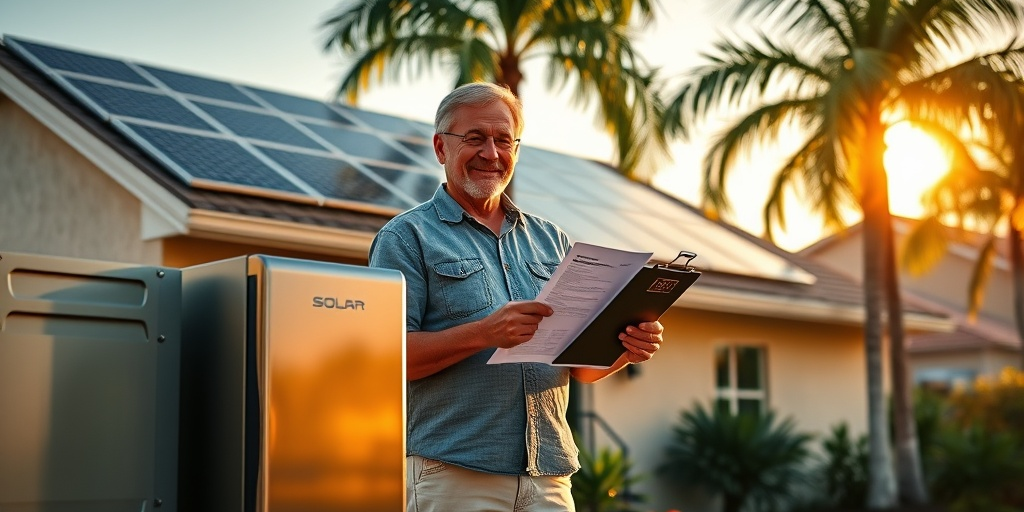
Imagine waking up one morning to find your electricity bill slashed in half, or better yet, seeing it vanish altogether. The energy revolution is here, and for Florida homeowners, 2025 promises to bring unprecedented opportunities to harness the sun’s power. Yet, choosing the right inverter is paramount to maximizing the efficiency of your solar energy system. Welcome to our comprehensive guide, Choosing the Right Inverter: A Technical Deep-Dive into Solar Energy. In this article, we will navigate the intricate world of inverters, a crucial component that can determine the success of your solar investment.
Did you know that solar installed capacity in Florida exceeded 4 GW in 2022, making it the third-largest state for solar power in the U.S.? What’s more, energy costs in Florida have increased over 40% since 2020, compelling homeowners and businesses to seek alternative energy solutions (Energy.gov). As we move forward, solar power is not just a choice; it’s a necessity—and the right inverter can help you achieve solar independence.
This topic is incredibly urgent as we inch closer to 2025. Significant rebates, tax incentives, and shifts in energy policy are poised to transform the solar landscape in Florida, making it vital to select the best inverter for your unique needs. So, whether you’re an individual seeking to lower your electric bills or a business owner aiming for sustainability, knowing your inverters will be critical.
In this article, we will explore five enlightening sections:
- A detailed case study demonstrating optimal inverter selection.
- A practical checklist to guide your decision-making process.
- A myth-busting review of common misconceptions about solar inverters.
- A local focus discussing Florida-specific incentives and requirements.
- A technical deep-dive into the various types of inverters and their functionalities.
Let’s dive in!
Understanding Solar Inverters: A Mission-Driven Case Study
Meet Tom and Jenna, a young couple residing in sunny Jacksonville, Florida. Eager to make the switch to solar energy, they researched extensively but found the inverter options overwhelming. After consulting with local solar experts, they opted for a microinverter system, hoping to maximize their energy savings. Not only did this choice contribute to a significant increase in energy production, but it also alleviated their concerns about shading from nearby trees (SolarReviews.com).
This case study illuminates our first crucial checklist—understanding the types of inverters:
- Microinverters: These work independently on each solar panel, which increases energy conversion efficiency, especially in partially shaded environments.
- String Inverters: The most common choice, string inverters connect multiple panels together. While they can be more cost-effective, shading can lead to decreased efficiency.
- Power Optimizers: A blend of string and microinverter technology, power optimizers enable each panel to operate independently while still being connected to a string inverter.
To ensure optimal performance, using microinverters proved beneficial for Tom and Jenna, resulting in an output increase of 20%—an impressive figure backed by the National Renewable Energy Laboratory (NREL) data (NREL.gov). Their experience serves as a compelling argument for understanding your inverter options.
Now, let’s delve into the typical concerns surrounding inverter choices. Here are some myths that often mislead new solar buyers:
Debunking Common Myths about Solar Inverters
- Myth #1: All inverters are the same. In reality, the type and quality of your inverter directly impact the system’s performance and durability.
- Myth #2: Microinverters have a shorter lifespan. Studies show that while traditional string inverters last 5-10 years, microinverters have an average lifespan of 25 years or more (SEIA.org).
- Myth #3: Higher price always means better performance. Often, the budget-friendly option may suit your needs just as well; research is vital for making informed decisions.
Florida ranks fifth in solar jobs nationally, providing ample local resources for homeowners to consult (Florida Solar Energy Center). Understanding these myths can help you feel more confident as you navigate the world of solar technology.
Having analyzed real-world implications through Tom and Jenna’s journey, we can now transition into a more detailed exploration of specific inverters and their technical functions.
A Practical Checklist for Choosing Your Solar Inverter
As you explore your options for installing a solar energy system in Florida, use this checklist to guide you through your inverter selection process. Implementing these steps will ensure you make the best choice for your family or business:
- Step 1: Assess your energy needs. Start by reviewing past electricity bills to identify your monthly usage. This will help you determine the output capacity of your inverter.
- Step 2: Research inverter types. Familiarize yourself with the advantages and disadvantages of microinverters, string inverters, and power optimizers.
- Step 3: Consider local Florida incentives. Keep in mind that state-specific tax credits and programs like the Florida Solar Energy Incentive Grant can significantly offset installation costs.
- Step 4: Read reviews and consult experts. Seek feedback on products and installation experiences from trusted sources, such as the National Renewable Energy Laboratory.
- Step 5: Ensure warranties and support. Make sure your chosen inverter comes with a solid warranty—look for at least a 10-year warranty to ensure long-term performance.
Utilizing these questions will help ensure that you are prepared to make an informed decision when it comes to solar inverters, significantly affecting your energy future.
Contact the professionals at floridaelectricandsolar.com for a consultation and more tailored guidance based on your unique needs.
Five Best Practices for Solar Installation in 2025
As you contemplate solar energy for your home or business, consider the following five best practices that industry experts recommend for Florida solar installations in 2025:
- Choose your installation site carefully. Location is critical. Be sure to install your solar system on a south-facing roof or in a location that receives maximum sunlight.
- Optimize panel placement. Panels should be angled correctly to capture sunlight year-round, accounting for Florida’s changing seasons.
- Invest in monitoring systems. Ensure that your system includes monitoring tools to track energy production, allowing you to identify performance dips quickly.
- Hire local experts. Choosing a reputable, local solar installation company ensures familiarity with Florida’s climate and regulations that might affect your system.
- Review system performance regularly. Regular checks on your inverter and solar panels will help maintain optimal efficiency. This will lead to long-term savings.
In 2025, Florida homeowners can expect even greater advancements in solar technology and financing options, making it essential to stay informed and work with trained professionals.
A Deep Narrative: Evelyn’s Solar Journey
Next, let’s dive deep into Evelyn’s journey as she transitions her quaint Fort Myers home to solar power. Initially skeptical, Evelyn learned about the rising energy costs and the diminishing reliability of the grid. After conducting thorough research, she decided to take the plunge into solar energy, focusing heavily on selecting a quality inverter to secure her investment.
Upon contacting solar experts, Evelyn explored various options and settled on using string inverters for her seamless setup. Over the installation’s first year, she observed a 30% reduction in her electricity expenses—an impressive figure that solidified her decision. Thanks to her proactive approach, she felt empowered in her energy choices and energized by her commitment to sustainability.
Here’s what she learned:
- Understanding inverter technology can directly influence savings.
- Solar energy systems considerably increase property values across Florida.
- Participating in solar energy increased community awareness about sustainable practices.
- Local utility companies are beginning to offer additional incentives for solar energy usage.
Evelyn’s story exemplifies how selecting the right inverter empowered her to lower costs and become a beacon for sustainable energy in her community. Her reduced bills and environmental impact provided a sense of pride, reinforcing her dedication to long-term, renewable energy solutions.
Next Steps for Florida Solar Buyers in 2025
As you prepare to embark on your solar journey, here’s an actionable plan to help you navigate the options on your path to solar energy:
Step 1: Audit Your Electric Bill. Analyze your previous bills to understand usage patterns and peak periods, which will inform your inverter choice.
Step 2: Research Solar Incentives. Check local, state, and federal resources to uncover available rebates or grants.
Step 3: Create a Compatible Solar System. Choose a solar company that will design a system based on your unique needs, taking location and available incentives into account.
Step 4: Make an Informed Decision. After gathering all relevant data and information, make a choice that aligns with your energy goals.
Step 5: Install and Monitor Your System. Once your solar system is installed, ensure that you continuously monitor performance to maintain efficiency.
Connecting with an expert from floridaelectricandsolar.com can streamline your entire decision-making journey.
Conclusion: The Bright Future of Solar Energy Awaits
In conclusion, understanding your options when choosing the right inverter is pivotal for maximizing your solar energy effectiveness. As we move toward 2025, Florida homeowners have an unprecedented opportunity to save money, increase property value, and embrace a sustainable lifestyle.
As you reflect on Tom and Jenna’s story, Evelyn’s journey, and the technical insights offered, remember that making an informed decision empowers you to take control of your energy future. Now is the time to seize the opportunity and act, ensuring clarity in your inverter choice and energy efficiency. You hold the key to not only slashing your electric bills but also becoming part of a transformative movement toward renewable energy sources.
Are you ready to start your solar journey in 2025? Connect with a certified expert at floridaelectricandsolar.com today.
Related Articles
More insights about Solar Inverter

10 Quick Tips for Choosing the Right Solar Inverter

Technical Deep-Dive: Choosing the Right Inverter for Solar Efficiency

The Ultimate Guide to Choosing the Right Inverter for Solar Systems
Ready to Go Solar?
Have questions about solar energy? Our experts are here to help you make the switch to clean, renewable energy.