
Essential Insights on Choosing the Right Inverter for Your Solar System
Share:
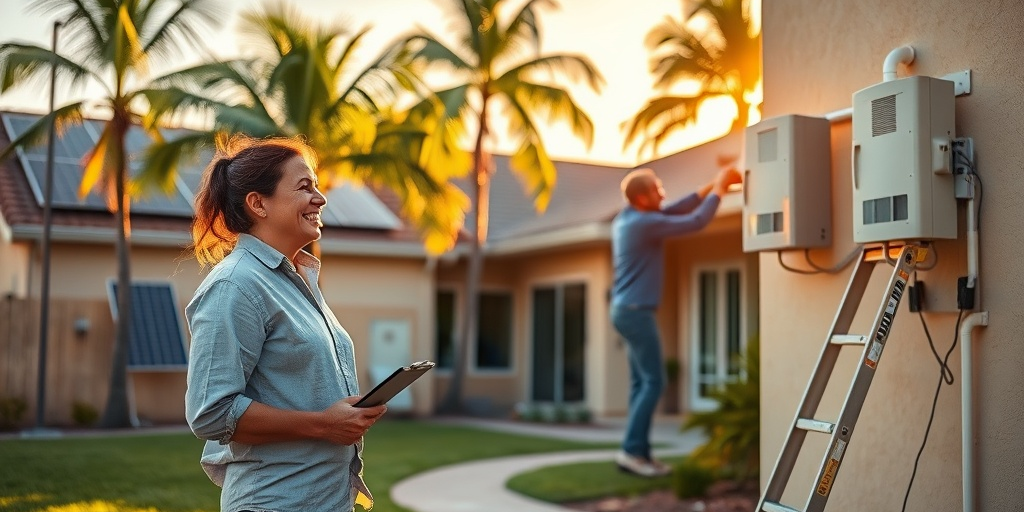
As the sun rises over the sun-drenched state of Florida, a new energy revolution is quietly taking hold. Did you know that Florida ranks third in the nation for installed solar capacity, just behind California and Texas? With the state’s abundant sunshine, it’s no surprise that many Florida homeowners are turning to solar energy as a way to cut electric bills, own their power, and reduce their carbon footprint. However, one crucial component often sweeps under the radar is the inverter—a device that converts the direct current (DC) produced by solar panels into alternating current (AC) for residential and commercial use.
In this article titled “Essential Insights on Choosing the Right Inverter for Your Solar System”, we’ll delve into the essential factors that play a pivotal role in your solar system’s efficiency. As more Floridians seek sustainable energy solutions, understanding what makes a top-of-the-line inverter could mean the difference between harnessing the sun’s full potential and settling for subpar performance. For instance, did you know that up to 30% of your solar system’s overall efficiency can hinge on selecting the right inverter? This significance amplifies even further in 2025, as more aggressive solar incentives take root and energy prices continue to climb.
Why should you care about inverters now? The evolution of solar technology means that homeowners engaging with solar in 2025 will face a range of choices that were unheard of just a few years ago. With advancements in inverter technology, you now have various options to optimize your energy management—an opportunity that shouldn’t be overlooked.
In this comprehensive guide, we will explore:
- How inverters impact your overall solar system performance
- Key steps to evaluate the right inverter for your needs
- Common myths debunked around solar inverters
- Localized insights specific to Florida homeowners
- Actionable best practices for maximizing efficiency
Get ready to empower yourself with knowledge, and ensure that your solar investment shines as brightly as the Florida sun.
Understanding Inverters: The Heart of Your Solar System
To illustrate the crucial role that inverters play in a solar system, consider the following case study. Meet Sarah and Tom, a couple who decided to invest in solar panels to reduce their energy bills and contribute to a sustainable future. Initially, they went with a popular brand of solar panels but didn’t pay much attention to the inverter they chose. The inverter kept failing over the first two years, resulting in a staggering 20% drop in their projected energy savings.
Following their frustrating experience, Sarah and Tom consulted with a solar energy expert (a representative from Florida Electric & Solar) who explained the importance of selecting the right inverter for their needs. They learned that the inverter serves multiple roles:
- Conversion: It converts DC electricity from the solar panels into usable AC electricity for the home.
- Monitoring: Many inverters provide real-time data about the performance of the solar system, enabling users to catch issues early.
- Grid Interaction: The inverter allows for the excess electricity generated to be sent back to the grid, earning credits or compensation through net metering.
Recognizing how critical their choice was, Sarah and Tom decided on a high-quality, grid-tied inverter with enhanced monitoring features and robust performance ratings. Their new inverter proved to be a solid investment, significantly boosting their energy output and ensuring seamless functionality.
This case study brings us to the key factors that can make or break your solar experience when choosing the right inverter. Here’s a quick checklist to guide you through the evaluation process:
Step 1:
Determine the type of inverter that suits your needs best—string inverters, microinverters, or power optimizers are the most common types in residential solar installations.
Step 2:
Research the efficiency ratings of various models. Higher efficiency means more generated energy and less wasted power (SolarReviews.com).
Step 3:
Look for models with monitoring capabilities. This will allow you to track performance and identify issues more effectively.
Step 4:
Check warranties. A solid warranty provides peace of mind that your investment is protected for the long term.
Step 5:
Consult with a professional installer who can help assess your specific needs and offer personalized recommendations.
One common myth is that all inverters perform similarly. In reality, the efficiency and features of inverters can vary considerably. Thus, understanding the nuances can provide you with confidence in your choice. Let’s debunk a few more common misconceptions next.
Myth Busting: What You Need to Know About Solar Inverters
Myth #1: All inverters provide the same efficiency. This is simply untrue. Inverter efficiency can greatly affect the overall performance of your solar system. For example, high-quality models can achieve efficiency ratings of 96% or more, while others may fall below 90% (Energy.gov).
Myth #2: Inverter placement is inconsequential. Where you place your inverter matters. Proper placement ensures optimal cooling and performance, especially in Florida’s heat.
Myth #3: You don’t need to monitor your inverter. Many homeowners overlook the monitoring aspect, yet real-time performance data can alert you to potential issues before they escalate into costly repairs.
Myth #4: Upgrading inverters is unnecessary. If your inverter malfunctions or doesn’t meet the latest efficiency standards, upgrading can significantly enhance system performance and energy savings.
Myth #5: Solar inverters are one-size-fits-all. Every home and solar system is unique. Working with a knowledgeable provider can help you find the perfect fit for your energy needs.
In light of these insights, it’s clear that selecting the right inverter is not just about cost; it’s about maximizing your investment in solar energy. Florida homeowners should be especially mindful of how local incentives could affect their overall energy savings while ensuring their equipment runs optimally. Let’s dive deeper into the Florida landscape next.
Florida-Specific Insights: Navigating Incentives and Innovations
The solar landscape in Florida is continually evolving. With initiatives such as the Solar Energy System Incentives Program, homeowners could save significantly through rebates for installing solar systems. The state’s net-metering policy allows you to earn credits for any excess power your system feeds back into the grid, further boosting your savings.
In this context, the inverter’s role becomes even more critical. For instance, Floridians may be particularly interested in high-quality string inverters for larger solar arrays or microinverters for more complex rooftop systems with shading. Here are some compelling reasons to prioritize inverter choice in your solar project:
- Performance Monitoring: Many modern inverters provide mobile apps for monitoring energy production and system health.
- Enhanced Efficiency: Advanced models can optimize energy output even under partially shaded conditions—a common scenario in neighborhoods with mature trees.
- Future-Proofing: As energy regulations and technology develop, purchasing an upgradeable inverter can protect your system’s longevity.
Even the most robust solar panels cannot reach their peak efficiency without the right inverter managing the conversion process. To better understand the ramifications of this, let’s consider best practices you could adopt as a solar buyer.
5 Expert Solar Installation Tips for 2025
As solar technology advances, it’s crucial to stay informed to maximize your investment. Here are five expert tips for Florida homeowners looking to install solar in 2025:
- Prioritize Quality Over Price: Cheap inverters can lead to higher maintenance costs in the long run. Investing in reputable brands pays off.
- Optimize Orientation and Tilt: Consult your installer about panel placement to capture maximum sunlight, especially in the long summer days.
- Regular Maintenance Matters: Schedule periodic checks of your system to keep everything running efficiently, including your inverter.
- Educate Yourself: Stay informed about solar technology advancements and local policy changes that could affect your investment.
- Know Your Warranty: Familiarize yourself with warranty intricacies for both your panels and inverter to make sound decisions when issues arise.
A high-performing inverter can ensure that your solar energy system operates at its full potential, and all of the above tips can play a critical role in that. To visualize how these principles work in practice, we turn to a narrative that encapsulates a typical Florida homeowner’s journey toward solar energy.
A Florida Homeowner’s Solar Journey
Let’s take a look at the story of Amanda, a Florida homeowner who resolved to shift her energy use to solar power. After hearing rave reviews from friends, she decided to investigate her options. With a clear understanding of the right inverter’s importance, Amanda sought out discussions with experts like those from Florida Electric & Solar.
Initially confused about the choices available, she focused on these key points:
- Assessing Energy Needs: Amanda carefully calculated her household energy consumption and recognized her annual usage.
- Seeking Reputable Brands: Knowledge gained through research helped her shortlist brands like Enphase and SMA, known for their robust performance.
- Requesting Multiple Quotes: Amanda received estimates from different installers to weigh out her options effectively.
- Evaluating Long-term Gains: Understanding that upfront costs are often outweighed by long-term savings encouraged her to invest more upfront for a quality inverter.
After much deliberation, Amanda settled on a hybrid inverter that provided flexibility to store energy for nighttime use. Thanks to the incentives available in Florida, she capitalized on a substantial rebate that allowed her budget to accommodate this top-tier choice.
Amanda’s solar journey not only empowered her financially but also inspired her neighbors to consider making the switch. As others began to join her solar narrative, Amanda’s experience serves as a guiding light for those navigating the choices ahead. Now, let’s cover the next steps your journey should take.
Next Steps for Florida Solar Buyers in 2025
With all this knowledge, you may feel eager to get started. Here’s a streamlined action plan to embark on your solar journey:
Step 1:
Audit Your Electric Bill: Analyze your energy usage to determine how much solar power you’ll truly need.
Step 2:
Research Inverter Options: Delve into various inverter types and their benefits to understand which suits your system best.
Step 3:
Check for Incentives: Investigate local and state rebates that could dramatically lower your upfront costs.
Step 4:
Gather Quotes from Reputable Installers: Seek multiple estimates that provide transparency on materials used, warranties offered, and service included.
Step 5:
Make an Informed Decision: Based on gathered information, choose an installer who aligns with your values and needs.
By taking these steps, Florida homeowners can not only maximize their efficiency and savings but also make a positive impact on the environment. For more robust information and quotes from certified experts, visit floridaelectricandsolar.com.
In conclusion, being well-informed about the nuances of solar inverters is vital in the journey to adopting solar energy in Florida. By prioritizing the right inverter, homeowners can make a significant difference in energy efficiency and overall savings. With current and upcoming incentives designed to reduce the cost of solar energy systems, now is the perfect time to embark on this exciting journey. As the sun continues to shine bright over the Sunshine State, why not harness that power for your home, your loved ones, and the planet? Take action today, and you’ll be ready to embrace a more sustainable future tomorrow.
Ready to start your solar journey in 2025? Connect with a certified expert at floridaelectricandsolar.com today.
Related Articles
More insights about Inverter

5 Critical Steps for Choosing the Right Inverter

7 Essential Tips for Choosing the Right Inverter

Technical Deep-Dive: Choosing the Right Inverter for Your Solar System
Ready to Go Solar?
Have questions about solar energy? Our experts are here to help you make the switch to clean, renewable energy.