
The Ultimate Guide to Choosing the Right Inverter for Solar
Share:
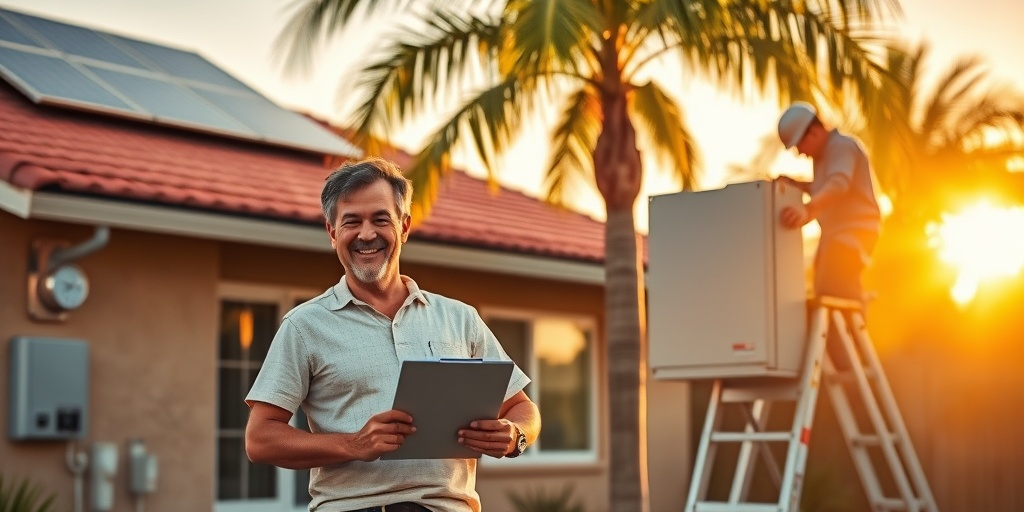
Imagine waking up on a bright Florida morning, sipping coffee as you glance at your electric bill—only to realize it has drastically dropped this month. Sounds too good to be true? It’s not. In fact, choosing the right inverter for your solar system could unlock significant savings and energy efficiency. In “The Ultimate Guide to Choosing the Right Inverter for Solar”, we’ll dive deep into how your inverter impacts not just your system’s performance, but your entire solar experience. Over the next few years, Florida homeowners are likely to see solar incentives expand, making 2025 a pivotal time to consider solar energy options (SolarReviews.com). Did you know that Florida is home to one of the highest rates of sunshine in the country, with an average of 237 sunny days a year (Energy.gov)? This abundance of sunlight translates directly into potential savings, provided you choose the correct system components. And one of the most crucial pieces of equipment is your inverter—so hang on as we explore this essential element in detail.
Throughout this guide, we will look at five critical aspects of selecting the right solar inverter: a detailed case study from a Florida homeowner, a practical checklist for evaluation, common myths debunked, a local focus on Florida-specific data, and a technical deep dive into system compatibility. By the end of your reading, you’ll have the knowledge you need to make an informed decision about how to optimize your solar setup in 2025.
Case Study: John’s Solar Journey in Florida
Meet John, a homeowner in Orlando who decided to invest in solar energy last year. After extensive research, John understood that choosing the right solar inverter could maximize his system’s efficiency. His goal was simple: to cut his monthly electric bills and contribute to a more sustainable future.
Before proceeding, he used a knowledgeable solar consultant who helped him analyze his energy consumption patterns. John had been spending an average of $250 per month on electricity. Based on his needs, the consultant recommended two types of inverters: string inverters and microinverters.
- String Inverters: These are the most common type, ideal for systems with minimal shading. They connect all panels together to a single inverter, which can be cost-effective but may limit the overall performance.
- Microinverters: Instead of a single inverter, microinverters are installed on each panel. It’s a better option in shaded areas or complex roof layouts, allowing for maximum energy harvest from each individual panel.
John weighed the pros and cons. He ultimately opted for microinverters due to the unique shading conditions on his roof. His choice paid off: within six months, he observed a significant reduction in his electricity bill, down to around $100 per month. He estimated that with the savings from his inverter, he would recover his investment in just five years, especially with Florida’s attractive solar tax incentives (SEIA.org).
This case study illustrates how selecting the right inverter can directly impact energy efficiency and cost-effectiveness. Now that we’ve seen John’s success, let’s delve into a practical checklist for choosing your inverter.
Your Essential Checklist for Inverter Selection
Choosing the right inverter can feel overwhelming, but don’t stress. Here’s a straightforward checklist to guide you:
- Evaluate Your Energy Needs: Analyze your electricity consumption from the past year. Knowing how much energy you use will help you select the right inverter.
- Consider the Type of Inverter: Decide between string inverters and microinverters based on your roof’s layout and shading. Always aim for the one suited to maximize efficiency.
- Check Performance Ratings: Look for inverters with high efficiency ratings and reliable warranties. Efficiency ratings above 95% are commendable.
- Understand the Costs: Get quotes from different solar companies, and remember that a high upfront cost may save you more in the long run through enhanced performance.
- Seek Local Expertise: Collaborate with local solar experts familiar with Florida conditions. They can provide you with insights on the best products suited for the unique climate and policies in the area.
Taking these steps constitutes a thorough approach to solar inverter selection. With any decision this important, ensure you’ve gathered enough information before moving ahead. Now, let’s bust some common myths that might be holding you back from securing the best inverter for your solar system.
Myth-Busting: Common Misconceptions About Solar Inverters
In the world of solar energy, misinformation can lead to poor decisions. Let’s tackle some prevalent myths regarding solar inverters:
- Myth #1: All Solar Inverters are the Same. In reality, inverters come in various types and qualities. String inverters, microinverters, and power optimizers offer distinct pros and cons tailored for different systems.
- Myth #2: You Only Need an Inverter if You Have Storage Batteries. While batteries are beneficial, inverters are necessary even for grid-tied systems to convert DC power generated from panels into usable AC power.
- Myth #3: Higher Cost Equals Better Performance. While expensive inverters often yield better performance, it’s important to compare specifications and warranties rather than base decisions solely on price.
- Myth #4: Inverters Don’t Really Impact Your Energy Bill. The right inverter significantly affects the system’s overall output, thus influencing your energy bills. Choosing wisely can result in noticeable savings.
- Myth #5: Solar Technology is too Complicated for the Average Homeowner. With the right guidance, understanding the components and mechanics behind solar systems can be straightforward. Many resources are available to assist you.
Debunking these myths empowers homeowners to make confident choices. Don’t let misconceptions deter you from reaping the benefits of solar energy. Now, let’s shift our focus to why Florida homeowners should prioritize local factors in their inverter selection process.
Why Florida-Specific Factors Matter
Solar energy in Florida is experiencing unprecedented growth, making local factors pivotal in system design and component selection.
The unique Floridian environment presents various challenges and opportunities:
- High Humidity and Heat: Inverters that perform well at high temperatures are essential, as Florida’s climate can affect performance and lifespan.
- Storm Resistance: Africa is known for its intense storms; thus, selecting a durable, weather-resistant inverter will protect your investment.
- Net Metering Policies: Florida’s net metering arrangements can significantly influence inverter types. Understanding how these policies operate will guide you in making energy-efficient choices.
According to statistics from the Florida Solar Energy Center, solar adoption in the state is growing at a rate of approximately 28% per year, highlighting the demand for efficient solar technology. Choosing an inverter designed for Floridian conditions can ultimately improve your experience and efficiency (FSEC.UCF.edu).
As we’ve seen, local context matters when selecting inverters. Next, let’s take a deeper dive into the intricacies of solar technology and inverters.
The Technical Deep Dive: Understanding Inverter Technology
Inverters are often referred to as the “brains” of a solar energy system. They accomplish essential functions, which include transforming DC electricity from the solar panels into AC electricity for home use. Let’s explore this crucial hardware in detail.
First, we must understand the two main inverter technologies: string inverters and microinverters. Both serve specific purposes.
- String Inverters: Best suited for solar arrays with uniform sun exposure and no shading issues. They generally are less expensive and require less maintenance but can decrease performance if any panels are shaded.
- Microinverters: Each panel gets its own inverter, promoting higher efficiency, especially in partially shaded environments. Although slightly more costly, they maximize energy output and are often favored for residential systems.
Beyond these types, hybrid inverters deserve attention as they combine functionalities suited for solar energy generation and the incorporation of battery storage. This flexibility prepares homeowners for an energy-independent future, especially critical in hurricane-prone areas where utility disruptions may occur.
Monitoring capabilities also play a crucial role. Many modern inverters come equipped with monitoring systems that provide real-time data on energy production and system health. This transparency allows homeowners to keep tabs on performance and make data-driven decisions regarding their energy consumption (Energy.gov).
As we see, understanding technical specifications not only empowers homeowners to make informed decisions, but also contributes to maximizing the benefits of a solar energy system. Let’s transition to actionable next steps for Florida homeowners in 2025.
Next Steps for Florida Solar Buyers in 2025
Setting up your solar system is an exciting step towards energy independence. Here’s a straightforward action plan to streamline your process:
- Step 1: Audit Your Electric Bill: Before choosing an inverter, examine your past electric bills. Understanding your consumption will help you better understand sizing.
- Step 2: Research Solar Providers: Connect with certified solar companies like floridaelectricandsolar.com. Look for reviews, references, and check local licenses.
- Step 3: Get Multiple Quotes: Always gather several quotes to compare prices and services. Don’t hesitate to ask about warranties and following support.
- Step 4: Involve Your Family: Engage with family members to discuss solar energy and associated decisions. Their input will help you make an informed choice.
- Step 5: Schedule Your Installation: Once you choose your inverter and provider, arrange an installation date. Make sure you understand all procedures involved.
Following these steps can ease the transition to solar energy, ensuring you leverage the full potential of your investment. Now let’s wrap this up with key takeaways from our solar journey.
Conclusion
Throughout “The Ultimate Guide to Choosing the Right Inverter for Solar,” we’ve navigated significant aspects of inverter selection for Florida homeowners: from real-life case studies to critical checklists and the technical specifications behind inverters. The right inverter can substantially impact your solar experience, turning the potential of Florida’s sunshine into significant savings.
As we approach 2025, Florida’s solar incentives will become even more appealing, making now the perfect time to consider your options. Choosing the appropriate inverter not only maximizes system efficiency but enables you to own your power, particularly in light of rising energy costs and grid instability.
Don’t wait to take action on your energy independence and savings. For Florida homeowners looking to make the most of their solar investments, it’s time to engage with experts who understand the intricacies of this technology. Ready to start your solar journey in 2025? Connect with a certified expert at floridaelectricandsolar.com today.
Related Articles
More insights about Inverter

5 Critical Steps for Choosing the Right Inverter

7 Essential Tips for Choosing the Right Inverter

Technical Deep-Dive: Choosing the Right Inverter for Your Solar System
Ready to Go Solar?
Have questions about solar energy? Our experts are here to help you make the switch to clean, renewable energy.