
Don’t Delay: Critical Solar Scams Florida Homeowners Must Avoid
Share:
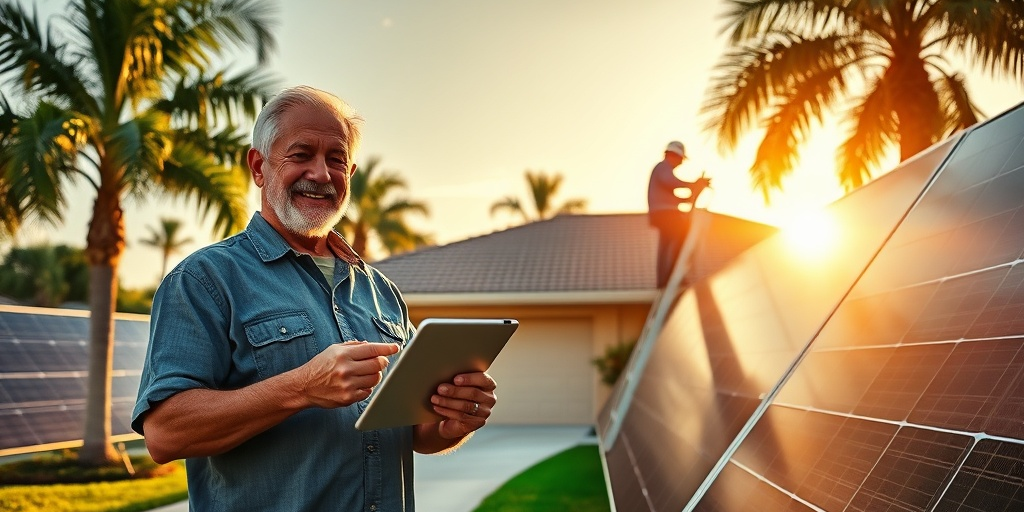
In 2025, maintaining energy independence is no longer just a trend; it’s a necessity—with rising electricity costs affecting Florida homeowners at an unprecedented rate. A staggering 70% of Floridians report being concerned about their electric bills rising this year alone, dramatically increasing the urgency for solutions like solar power installation (Energy.gov). Additionally, recent studies show that homeowners who invest in solar energy systems save an average of 20% on their annual electricity costs after installation (SEIA.org). In light of this growing concern, our article titled Don’t Delay: Critical Solar Scams Florida Homeowners Must Avoid is a vital read for any Florida resident contemplating solar energy. Navigating the world of solar energy can feel overwhelming, especially with the rising number of scams targeting unsuspecting homeowners. As solar energy becomes increasingly popular, it brings along its fair share of deceivers waiting in the shadows to exploit homeowners’ desires to save on energy costs. In this post, we’ll dive into the most critical scams to avoid, why it matters urgently in 2025, and how you can protect yourself as you consider solar solutions for your home or business. We’ll explore five key sections: understanding solar scams through real-life scenarios, a practical checklist for homeowners, debunking common myths of solar energy, the unique Florida landscape regarding solar policies, and a deep dive into essential technical knowledge you need to arm yourself against potential fraud.
Understanding Solar Scams: A Cautionary Tale for Florida Homeowners
Meet Sarah, a dedicated Florida homeowner eager to embrace solar energy after hearing about its environmental and financial benefits. With visions of slashing her electricity bills and promoting a sustainable lifestyle, she undergoes extensive research. However, in her haste to go solar, Sarah unknowingly falls prey to a common scam targeting well-meaning homeowners. The company she contacted promised unrealistically high savings and a significant return on investment in just a few months with no upfront costs. Unfortunately, hidden fees started pouring in after the panels were installed, leading to an additional financial burden rather than the anticipated relief. This time-consuming ordeal could have been avoided with proper knowledge and preventative measures.
For Florida homeowners like Sarah, this cautionary tale mirrors a frightening reality: solar scams are on the rise, particularly in the Sunshine State. According to data from the Federal Trade Commission, Florida ranks among the top states for solar energy scams, with complaints about misleading advertising and sales practices significantly increasing in the last few years. In fact, the FTC reported a surge in scam-related inquiries specifically targeting solar products in the past year (FTC.gov). Consequently, homeowners must be discerning and informed before making any solar investments.
To ensure you’re not taken on a costly ride, consider this checklist of actionable steps to vet potential solar providers:
- Check for licenses and registrations: Make sure the company holds the necessary permits and licenses to operate in Florida.
- Research company reputation: Verify testimonials online and consult third-party reviews to gauge customer satisfaction.
- Get multiple quotes: Don’t settle for a single estimation; speak with multiple providers to compare offers and pricing.
- Understand the contract: Review fine print and clarify any ambiguous terms to avoid hidden costs.
- Look for warranties: Reliable companies provide additional assurance through warranties on both products and workmanship.
It’s imperative that Florida homeowners recognize and debunk several common myths surrounding solar energy to ensure they make sound investment decisions.
- Myth #1: Solar energy is only for rich homeowners. While solar installations can have a hefty upfront cost, financial incentives make it accessible for different income levels.
- Myth #2: Panels do not work in cloudy weather. Solar panels can harness sunlight even on overcast days—Florida’s generally sunny climate provides power all year.
- Myth #3: You need to own your home to go solar. Renters can often take advantage of solar energy through community solar programs.
As this overview illustrates, an informed approach can significantly diminish the risk of falling for scams. To further underscore the importance of due diligence, let’s look at some specific Florida-based statistics surrounding solar energy, including policies and incentives that play a crucial role in genuine installations.
Florida’s Unique Solar Landscape: Navigating the System Safely
Florida boasts one of the most promising solar energy landscapes in the United States. Solar energy has been recognized as a key player in our state’s energy independence, and homeowners are in a prime position to capitalize on this opportunity. However, understanding the local landscape is essential for safeguarding your investment and avoiding scams. Below are key points every Florida homeowner should be aware of:
- Understanding net metering: Florida utilities offer net metering, enabling homeowners to sell excess energy back to the grid at retail rates, which adds significant financial benefit.
- Incentives and tax credits: Homeowners can benefit from federal tax credits of 26% until the end of 2025, offering additional financial relief for solar installations (DSIREUSA.org).
- Researching local regulations: Each utility company may have different policies and incentives, so familiarize yourself with what company provides your service.
Now, let’s transition into understanding the technical aspects of solar energy systems that homeowners should grasp to avoid scams. Knowledge is a powerful tool when determining the most suitable solar installation for your home.
Getting Smart: Understanding Solar Technology and Installation
With the transition to solar energy, Florida homeowners must become well-versed in the technology themselves to avoid falling prey to misleading sales tactics. Below are vital components and technical elements to investigate:
- Panel efficiency: Understand the difference between monocrystalline and polycrystalline panels and how each option impacts your energy production and space requirements.
- Inverter types: Know the difference between string inverters, microinverters, and power optimizers. Each type plays a crucial role in energy conversion and, consequently, overall system performance.
- Assessing storage solutions: If you’re interested in energy storage systems, consider their longevity and efficiency in capturing and utilizing the excess energy your solar panels generate.
An investment in knowledge today is your best defense against falling into the trap of solar scams. As we continue to explore, it’s vital to consider best practices for future solar installations that will enhance your system’s productivity and longevity.
5 Expert Solar Installation Tips for 2025
As you prepare to move forward with your solar journey, consider these expert tips to maximize your success and minimize potential pitfalls:
- Don’t skimp on research: Take your time to delve deep into potential contractors and their offerings. Compare options and ask the right questions.
- Consider your roof’s position: Optimal panel placement entails factoring in roof orientation and shading, making professional assessments invaluable.
- Plan for future expansions: If you anticipate increasing energy needs, design your system to accommodate more panels down the road.
- Familiarize yourself with utility structures: Understand how your energy company operates to make the most of incentives and surplus energy sales.
- Seek additional financing options: Explore solar loans and leasing options, which can ease upfront costs and allow you to invest without the worry of immediate high expenses.
Improving your knowledge and understanding will keep you ahead. Are you now paying attention to the myriad of considerations that encompass a successful solar installation? A sound action plan will get you there seamlessly.
Next Steps for Florida Solar Buyers in 2025
As you embark on this transformative journey toward solar energy, taking actionable steps is crucial. Here’s your definitive checklist for successful solar adoption:
- Audit Your Electric Bill: Understand your energy consumption patterns, noting peak hours and identifying areas for energy efficiency improvements.
- Research Local Solar Providers: Only consider companies with proven track records and transparent client testimonials; make sure to visit floridaelectricandsolar.com for further details.
- Ask for Clear Proposals: Require detailed projections of your system’s performance, pricing breakdowns, and long-term savings analysis.
- Negotiate Contracts: Don’t hesitate to ask for better terms, including warranty coverage, maintenance packages, and installation timelines.
- Explore Financing Options: Investigate various financing avenues available to you, such as loans and solar power purchase agreements.
Every step you take solidifies your commitment to a more sustainable future while protecting yourself from potential scams. As you pave the way forward with solar energy, each of these actionable items acts as your shield against deception.
Conclusion: The Path Forward in Solar
Your journey into the world of solar energy doesn’t have to be fraught with uncertainty. By staying informed and prepared, you can be a part of Florida’s flourishing solar landscape while avoiding the pitfalls of scams that threaten hardworking homeowners like you. As we’ve explored together, understanding real experiences, checking technical know-how, and applying best practices are all crucial components of this journey. Moreover, as the incentives strengthen up to 2025, you are well-positioned to make this advantageous move toward energy independence.
Ready to start your solar journey in 2025? Connect with a certified expert at floridaelectricandsolar.com today.
Related Articles
More insights about Solar Scams

Warning: Don’t Overlook These Solar Scams to Avoid

Don’t Miss This Critical Alert About Solar Scams

Don’t Ignore These Critical Solar Scams to Avoid
Ready to Go Solar?
Have questions about solar energy? Our experts are here to help you make the switch to clean, renewable energy.