
Don’t Risk It: Critical Solar Scams Florida Homeowners Should Avoid
Share:
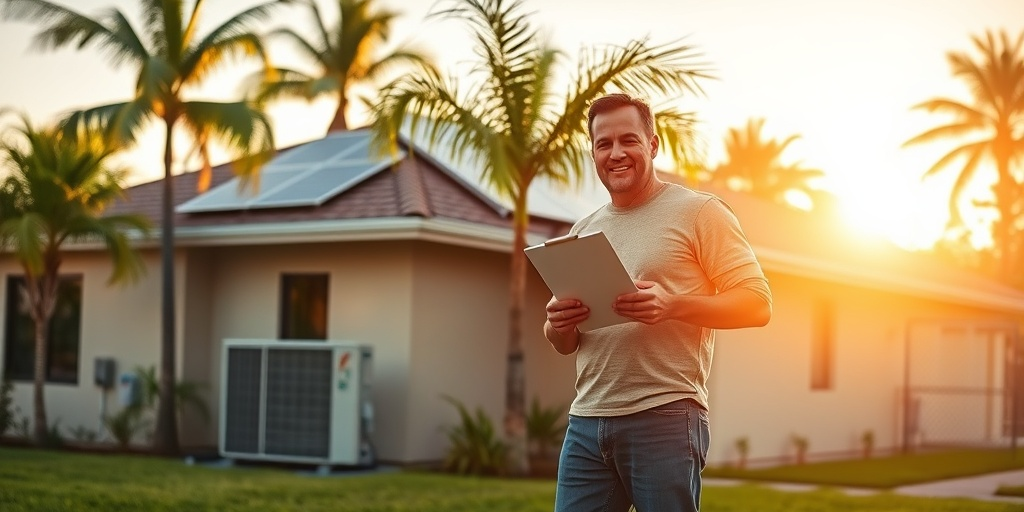
In a rapidly evolving energy landscape, the transition to solar power is more critical than ever. According to the Solar Energy Industries Association, solar energy accounted for about 20% of all new power generation in the U.S. in 2022 (SEIA.org). As Florida homeowners become increasingly aware of the benefits of solar energy—ranging from reducing highly inflated electric bills to enjoying state and federal tax incentives—it’s vital to tread carefully. Unfortunately, with great opportunity comes great risk, and some homeowners fall prey to scams that can jeopardize their financial well-being and solar investments. This blog post titled Don’t Risk It: Critical Solar Scams Florida Homeowners Should Avoid is a crucial compass for those navigating the exciting yet perilous world of solar energy. In an age where energy costs are rising, and more homeowners are inclined to install solar panels, understanding these pitfalls is urgent, especially in 2025 when new policies and incentives will impact the market. We’ll cover five essential sections that will help you identify scams, understand the nuances of the solar industry, and make informed decisions that secure your home’s energy future:
1. Case Study: A Florida Family’s Solar Journey
2. Checklist: Unveiling Red Flags in Solar Offers
3. Myth Busting: Common Misconceptions About Solar Energy
4. Local Focus: Florida-specific Scams and Statutes
5. Technical Deep-Dive: Understanding Solar Contracts
Case Study: A Florida Family’s Solar Journey
Meet the Johnsons, a family from Orlando, Florida, who dreamt of taking control of their energy bills. After hearing about significant savings through solar energy, they were eager to install a system. However, in their excitement, they encountered several scams that almost derailed their journey. After initially receiving a cold call from a slick-talking salesman pushing a nonexistent “limited-time offer,” they soon began to recognize the signs that should have set off alarm bells. Analyzing their experience can provide valuable insights into how to avoid falling prey to similar tactics.
- Red Flag #1: Pressure Tactics – Legitimate solar companies empower you to make an informed decision. The Johnsons faced intense pressure to sign contracts immediately, which should have made them suspicious.
- Red Flag #2: Unlicensed Contractors – The Johnsons later learned that the seller who approached them was not licensed or certified in Florida, raising further concerns about the quality of installation.
- Red Flag #3: High Upfront Costs, Hidden Fees – The initial quote seemed low, but the fine print contained exorbitant fees that would drastically inflate their costs over time.
Learning from their costly mistakes, the Johnsons turned to trusted resources and discovered that solar costs in Florida can vary widely. A 2023 report from the National Renewable Energy Laboratory states that Florida has some of the highest solar irradiance rates in the U.S., making it a prime location for solar energy generation (NREL.gov). The Johnsons ultimately connected with a reputable local solar consultant who guided them through a trustworthy financial plan, leaving them happy with their renewable energy choice.
This case illustrates that a cautious approach is essential for any Florida homeowner considering solar energy. Knowing what to look for and what to avoid can save you not only money but significant stress in the coming years. A far more rewarding experience awaits those who take the time to educate themselves.
Checklist: Unveiling Red Flags in Solar Offers
Now that you’ve heard the Johnsons’ tale, let’s delve into a practical checklist you can use to identify scams and fake offers that threaten your investment in solar energy. These points also resonate with the state’s legal requirements intended to protect consumers.
- Step 1: Verify Licensing and Credentials – All solar installers in Florida must be licensed by the state. Check for certifications from the North American Board of Certified Energy Practitioners (NABCEP).
- Step 2: Read Reviews and Testimonials – Look for independent reviews from past customers on platforms such as Google and Yelp to gauge the company’s reputation.
- Step 3: Ask About Warranties – Reliable companies offer product and workmanship warranties. If a contractor dodges these questions, it’s a significant red flag.
- Step 4: Get Multiple Quotes – Obtain quotes from several companies before making a decision. This helps you gauge the market rate and prevents falling for inflated offers.
- Step 5: Evaluate Financing Options – Understand all financing options, especially if the offer includes no-money-down plans that can become expensive in the long run.
By adhering to these steps, Florida homeowners can avoid scams, ensuring a smooth transition to renewable energy. It’s crucial to pay attention to these details, especially as the market continues to evolve in 2025 and beyond.floridaelectricandsolar.com
Myth Busting: Common Misconceptions About Solar Energy
As solar energy becomes a household name, a plethora of myths and misconceptions often cloud the truth. Let’s dispel some of the most common misconceptions that can mislead potential solar adopters:
- Myth #1: Solar Panels Are Too Expensive – Initial costs may seem high, but state and federal incentives can dramatically offset these expenses. As of 2023, Florida homeowners can access a federal tax credit worth 30% of their purchase price (Energy.gov).
- Myth #2: Solar Only Works in the South – While Florida is favored for its sunny days, solar technology is constantly improving to harness light more efficiently, even in less sunny regions.
- Myth #3: Solar Panels Require Too Much Maintenance – In reality, solar panels require minimal maintenance. A yearly clean and inspection usually suffice to keep them running at optimal performance.
- Myth #4: You Can’t Power Your Home with Solar Alone – Correctly designed systems can enable full energy independence for your home, drastically reducing dependency on the grid.
- Myth #5: The Installation Process Is PAINFUL – While it may seem overwhelming, many certified installers have streamlined the process to ensure a hassle-free experience.
Understanding these myths is essential as they can lead to misinformation, stalling your decision-making process and causing you to miss out on significant energy savings.
Local Focus: Florida-specific Scams and Statutes
As solar energy adoption expands across Florida, scammers are increasingly targeting unsuspecting homeowners. Awareness of local scams, along with understanding state statutes and regulations, is crucial to protecting your investment. Here are some common Florida-specific scams:
- Door-to-Door Sales Techniques – Be cautious about unsolicited offers made by salespeople visiting your home. Legitimate companies do not employ high-pressure sales tactics.
- Fake Tax Incentives – Some companies may claim to offer tax incentives that do not truly exist. Always verify any incentive claims with a reputable source like the Florida Department of Revenue.
- Lounging Alternatives – Watch out for “no-cost” solar installations which often hide costly exit fees if you decide to cancel the contract or move.
The Florida Solar Rights Act specifies that consumers have rights concerning solar panel installations and prevents homeowner associations from outright banning solar panels (FloridaStatutes.gov). This law is designed to protect your right to install a solar energy system in your home.
Technical Deep-Dive: Understanding Solar Contracts
The fine print of solar contracts can often be a daunting labyrinth filled with jargon that could potentially lead homeowners into costly traps. Let’s take a closer look at some key components of solar contracts and what to watch out for:
- Power Purchase Agreements (PPAs) – These contracts allow you to pay only for the power generated by the solar system rather than the physical system itself, which might seem attractive. However, you may lose financial ownership and not benefit from incentives directly.
- Lease Agreements – Leasing may be ideal for some, but the long-term financial implications can often favor the lessor instead of the homeowner. Assess the terms thoroughly before signing.
- Inverter and System Replacement Clauses – Know what happens in terms of replacements or repairs, and ensure that warranties cover the entire lifespan of the system.
The National Renewable Energy Laboratory highlights that a well-structured solar contract can save homeowners up to 70% on their energy costs over a 20-year period (NREL.gov).
Next Steps for Florida Solar Buyers in 2025
Now that you are informed about the various scams and pitfalls to avoid, it’s time to set an actionable plan for purchasing solar in 2025. Use the following step-by-step checklist to reduce friction and streamline your journey:
- Step 1: Audit Your Electric Bill – Familiarize yourself with your current energy usage to determine how much energy you need your solar system to generate.
- Step 2: Research Qualified Installers – Spend time researching and reviewing qualified installing companies that have good reputations and solid customer feedback.
- Step 3: Understand Available Incentives – Familiarize yourself with any federal, state, or local incentives available to maximize your savings.
- Step 4: Design Your System – Work with a professional to design a system that meets your energy needs and financial constraints effectively.
- Step 5: Review All Contracts Thoroughly – Before signing anything, read through all contracts to ensure your best interests are protected.
By taking these steps, you can position yourself favorably for a successful solar installation that can yield both immediate and long-term benefits.floridaelectricandsolar.com
In conclusion, the journey to solar energy is fraught with opportunities, but it also presents certain risks. In Don’t Risk It: Critical Solar Scams Florida Homeowners Should Avoid, we have covered vital aspects from emotional stories like the Johnsons’ experience to practical checklists that can serve as a reliable guide to safeguard your investment. The rising demand for solar energy in Florida, coupled with ongoing advancements in technology, makes it imperative to educate yourself on avoiding scams and making educated choices. Protecting your energy future is not just about installation; it’s about positioning your family for a brighter tomorrow. Take action today—optimizing your spending, crediting incentives, and pursuing the right contractors are crucial to realizing the solar dream. Always remember, being informed is the first step towards a secure and sustainable energy future.
Ready to start your solar journey in 2025? Connect with a certified expert at floridaelectricandsolar.com today.
Related Articles
More insights about Solar Scams

Warning: Don’t Overlook These Solar Scams to Avoid

Don’t Miss This Critical Alert About Solar Scams

Don’t Ignore These Critical Solar Scams to Avoid
Ready to Go Solar?
Have questions about solar energy? Our experts are here to help you make the switch to clean, renewable energy.