
Don’t Risk Energy Independence: The Hidden Costs of Solar Panels
Share:
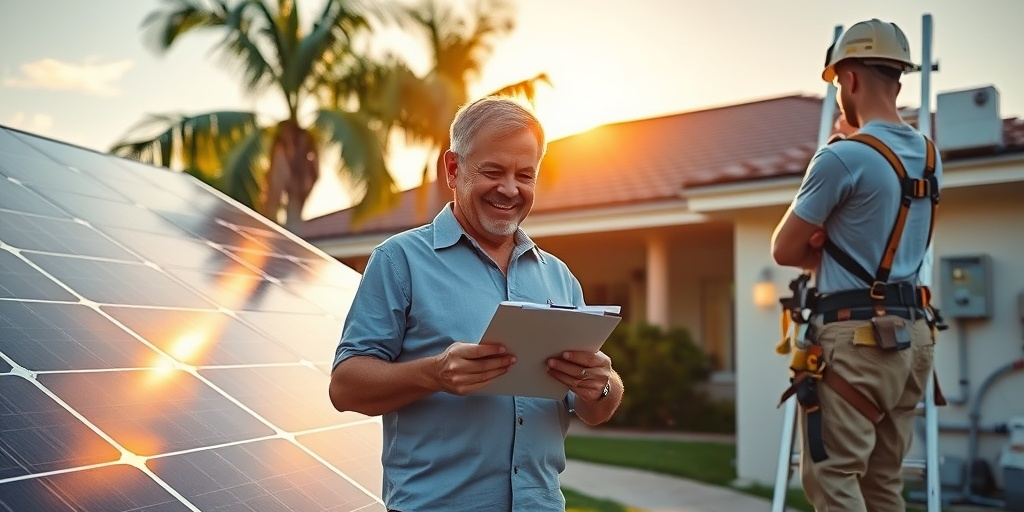
In the Sunshine State, powered by natural energy and rich with promise, Florida homeowners face a pivotal choice. With energy costs skyrocketing—electric bills in Florida have increased by 14% in the past year (Florida Public Service Commission)—the allure of solar energy shines brighter than ever. However, many homeowners dive into solar installations underestimating the significance of “hidden costs.” What if these unanticipated charges could compromise your energy independence? As we delve into this important topic, we’re examining the intricacies of solar investment through this post: Don’t Risk Energy Independence: The Hidden Costs of Solar Panels. A recent analysis found that only 30% of Florida homeowners are aware of the potential maintenance costs associated with solar systems, which can add up over time (SEIA.org). As solar technology and incentives evolve in 2025, understanding these factors becomes increasingly vital. This guide will provide you with insights divided into five sections: a real-life case study illustrating the dangers of overlooked expenses, a thorough checklist to guide your solar journey, myth-busting the misconceptions surrounding solar installation, a local focus on Florida-centric economic factors, and a technical deep dive into the nuances of solar technology. Let’s ensure you’re armed with the knowledge needed to make informed decisions that safeguard your energy future.
Unveiling the Hidden Costs of Going Solar: A Cautionary Tale
Imagine the sun setting over a cozy neighborhood in Naples, Florida. There, the Johnson family beams at their new solar panels, determined to liberate themselves from rising electricity bills. However, just nine months later, they were in for a rude awakening. The panels alone were not enough to secure their energy independence as they began experiencing unanticipated costs that drained their budget and enthusiasm.
First, they discovered that their energy production was significantly less than promised. The inverter they had installed, a critical component for converting sunlight into usable electricity, malfunctioned. Not only did it need replacement—a price tag of $1,500—but they also experienced a substantial reduction in their energy savings during the outage. Statistics reveal that over 25% of homeowners experience operational inefficiencies within the first year (SolarReviews.com). What the Johnsons initially expected to save was now going to repairs and inefficiencies, ultimately leading them to reconsider their commitment to solar.
To better understand such hidden costs and to avoid similar pitfalls, here’s a checklist for homeowners to consider before, during, and after installation:
- Research Total Costs: Look beyond the sticker price of solar panels; incorporate equipment, installation, and maintenance expenses.
- Evaluate Warranties: Understand what manufacturers and installers cover in their warranties to avoid sudden expenses.
- Account for Maintenance: Regular servicing is necessary to ensure optimal performance; factor this into your financial planning.
- Review Local Policies: Solar regulations may change, influencing both costs and savings; stay informed about legislation in Florida.
- Consider Financing Options: Explore both upfront and financing alternatives to determine the best economic strategy for your household.
As homeowners embark on their renewable energy journeys, it’s crucial to address these factors head-on. The Johnsons later learned to connect with experienced solar experts at floridaelectricandsolar.com to mitigate risks in the future. Their story is a reminder that knowledge is power in making informed decisions about solar energy.
5 Myths About Solar Panels That Could Cost You Dearly
When navigating the world of solar energy, misinformation can hinder progress and lead to costly missteps. Let’s debunk some common myths that may jeopardize your venture into solar:
- Myth #1: Solar Panels Are Too Expensive. Contrary to popular belief, the cost of solar has dropped by nearly 80% in the past decade. Many states, including Florida, offer incentives that can help reduce the initial costs significantly (Energy.gov).
- Myth #2: Solar Panels Require a Lot of Maintenance. While it’s true solar panels need occasional cleaning and inspections, most systems are designed to last for decades with minimal upkeep. In fact, regular inspections can often be a quick fix to prolong efficiency.
- Myth #3: You Can’t Save Money in the Rainy Season. A common misconception is that solar energy is only effective in sunny weather. In Florida, solar panels can still generate power even on cloudy days. The technology captures diffuse sunlight effectively, ensuring production continues.
- Myth #4: All Solar Panels Are the Same. Not all panels are created equal. Quality, efficiency rates, and warranties differ significantly across manufacturers. Opt for high-quality panels that best suit your home’s energy needs to maximize efficiency and savings.
- Myth #5: You Need to Be Off the Grid to Go Solar. Many think solar is only for those wanting complete energy independence. In reality, grid-tied systems can offer remarkable savings while allowing you to remain connected for backup energy options.
With the ability to harness the power of the sun, understanding the reality behind these myths is essential. Being aware of the fundamental truths will set you up for a more successful solar journey.
The Florida Solar Landscape: What You Need to Know
As a Florida homeowner exploring solar power, you must understand the unique dynamics present in the local market. From incentives to geographical advantages, there are specific considerations that can enhance or inhibit your transition into solar energy.
In 2025, Florida is predicted to emerge as one of the top states for solar energy production, with over 6,000 megawatts installed, representing a 250% growth from 2020 (NREL.gov). This rapid increase not only signifies the affordability of solar systems but also showcases the improved efficiency of solar technology. However, this surge in growth also comes with challenges. Local regulations and net metering policies continuously evolve, impacting your solar savings.
- Incentives: The Solar Investment Tax Credit (ITC) allows homeowners to deduct 26% of the cost of solar energy systems from federal taxes. As this percentage is set to decrease after 2025, homeowners should seize the opportunity while it’s available.
- Net Metering: Florida’s net metering policies allow homeowners to receive credits for excess energy produced, provided they stay up-to-date with the annual policy revisions.
- Geographic Advantage: Florida receives abundant sunlight, translating to increased energy production. Choosing the right orientation and angle for installation can further optimize performance.
Understanding these local elements ensures you can maximize solar efficiency and save more. Keep yourself informed to adapt swiftly to any shifts in the landscape.
5 Essential Solar Installation Tips for 2025
As you prepare to install solar panels, consider these expert tips that can enhance your installation experience and investment outcomes:
1. Don’t Skimp on Panel Quality: Invest in high-efficiency solar panels with robust warranties. Options with longer warranties often provide better long-term value.
2. Professional Installation is Key: Ensure your installation is done by certified professionals to mitigate costly mistakes. Proper installation can enhance system performance and lifespan.
3. Optimize Your Home’s Solar Exposure: Assess your roof’s orientation and shading from trees or buildings before installation. This will enable maximum sunlight capture and outputs.
4. Keep an Eye on Energy Usage: Analyze your current energy consumption to gauge system size accurately. Adjusting your habits or appliances can lower requirements and reduce costs.
5. Stay Updated on Local Incentives: Continuously check for local, state, and federal incentives throughout your solar lifecycle to ensure you’re maximizing savings. Follow Florida’s solar incentives to avoid missing crucial opportunities.
Throughout your solar journey, being proactive about these practices can ensure you don’t encounter unnecessary costs. As seen in the experiences of others, thorough planning can make all the difference.
Next Steps for Florida Solar Buyers in 2025
Now that you are equipped with the knowledge about the hidden costs of solar energy, the next steps require careful planning and execution. Follow this action plan to streamline the process:
- Audit Your Electric Bill: Start by examining your energy bills from the past year to understand your consumption and savings potential. This will guide the size and capacity you need for your solar system.
- Research Reputable Solar Installers: Investigate local solar companies, reading reviews and their warranties to find a trustworthy partner for your solar installation.
- Explore Financing Options: Determine whether you’ll pay upfront or consider financing or leasing options. Each has benefits and drawbacks that must be explored.
- Schedule Consultation Meetings: Meet with chosen solar companies to discuss specifics, pricing, and expected timeframes. Ensure all your questions about hidden costs and warranties are addressed.
- Monitor Progress and Performance: After installation, keep track of system performance and maintenance schedules. This vigilance will help you catch inefficiencies early before they become costly.
By following these strategic steps, you can reduce friction in your transition to solar while increasing your energy independence. Learn more about your options at floridaelectricandsolar.com.
In conclusion, the journey toward ascertaining your energy independence through solar is an empowering one, yet it demands due diligence to avoid common pitfalls. As we’ve examined throughout this post, hidden costs associated with solar panels can deeply impact your financial security and sustainability in the long term. From analysis and case studies to informative checklists and myth-busting, securing your solar future is about knowledge and preparation. The urgency to act and solidify your energy independence in 2025 is significant as federal incentives dwindle. Making educated decisions now will serve not just your wallet but your family’s future and the environment at large.
Ready to start your solar journey in 2025? Connect with a certified expert at floridaelectricandsolar.com today.
Related Articles
More insights about Solar Panels

How Long Do Solar Panels Last in Florida? What to Expect From Your System

Flat Roof Solar Mounting in Florida: A Complete Installation Guide

Myth: Solar Panels Don’t Increase Home Value in Florida
Ready to Go Solar?
Have questions about solar energy? Our experts are here to help you make the switch to clean, renewable energy.