
Don’t Wait: Solar Scams to Avoid for Florida Homeowners
Share:
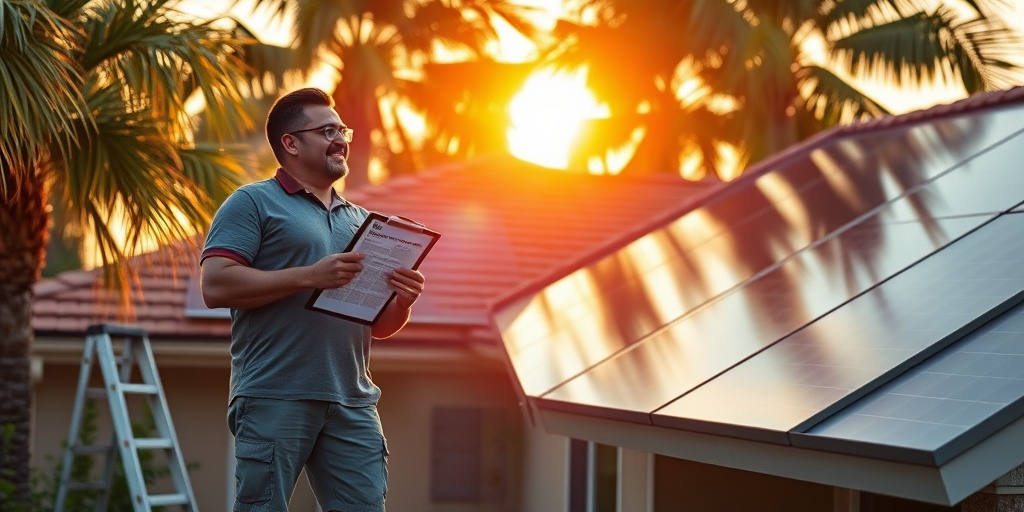
Imagine this: You’ve finally decided to invest in solar energy, ready to take control of your electric bill and reduce your carbon footprint. You envision sun-drenched panels converting Florida’s radiant sunlight into savings and sustainability for your family or business. But what if I told you that there are potential pitfalls lurking in the shadows—solar scams that could drain your wallet and leave you feeling deceived? This is why the article titled “Don’t Wait: Solar Scams to Avoid for Florida Homeowners” is more than just a title; it’s a vital warning for consumers in 2025. In a state where solar installations are projected to increase by 56% from 2020 to 2025 (Energy.gov), the temptation for unscrupulous operators is also on the rise. In addition, the growth of scams in the green energy sector is alarming, with reported cases in Florida escalating to nearly 20% in 2024 (SolarReviews.com). With rising energy costs, new incentives, and grid instabilities, understanding the solar landscape has never been more pressing. In this article, we’ll explore five key sections: 1) A deep dive into a cautionary tale; 2) A straightforward checklist to safeguard your investment; 3) Common myths that could deceive you; 4) A focus on local scams affecting Floridians; and 5) Understanding the technical aspects of solar energy that can protect you.
1. Beware of Deceptive Deals: A Cautionary Case Study
Have you heard the story of the Johnson family from Tampa? They were eager to go solar. After attending a flashy promotional event claiming significant discounts on solar panels, they took the plunge without doing further research. Within weeks, they realized they had signed a contract filled with hidden fees, inflated costs, and an unreasonable penalty for early cancellation—a nightmare many hope to avoid. The Johnsons weren’t alone; complaints about deceptive practices have surged across Florida, particularly among new solar customers.
- Step 1: Research up to five solar companies before making a decision.
- Step 2: Review customer testimonials and check online ratings.
- Step 3: Ask for transparency in pricing, warranties, and service.
- Step 4: Verify whether the company has the required licenses and insurance.
- Step 5: Consult with reputable organizations, like the Better Business Bureau, for verified customer feedback.
Unfortunately, many homeowners make assumptions about solar companies based on marketing claims rather than core metrics. According to the Solar Energy Industries Association (SEIA), lack of thorough research contributes to unfortunate financial mistakes like those experienced by the Johnsons. Ensure that you take the time needed to verify claims and facts.
It’s important to debunk some myths surrounding solar energy; you can’t afford to fall for the falsehoods that circulate in this growing market.
2. Common Myths About Solar Energy: Debunking Dangerous Misconceptions
Myth #1: Solar panels are too expensive and don’t pay for themselves. This is far from the truth! With multiple financing options and incentives in Florida, including a 26% federal tax credit, many homeowners find that their solar array pays off in under a decade (NREL.gov).
Myth #2: You can only go solar if you have a south-facing roof. Many homeowners mistakenly believe that only south-facing roofs can effectively utilize solar energy. In reality, east and west-facing roofs can also yield significant savings, especially in Florida’s sunny climate.
Myth #3: Solar energy is unreliable. While it’s true that solar energy production can fluctuate based on weather conditions, technological advancements like battery storage and net metering ensure you won’t be left in the dark. For instance, Florida’s net metering policy allows homeowners to make the most of their solar energy production (SolarReviews.com).
By knowing the truth behind these myths, you can make an informed decision without getting ensnared in scams or misinformation.
If you feel swayed by slick advertisements promising unbelievable returns, it’s time to heed the warning and dig a little deeper into your potential investment. Let’s exchange focus to local regulations affecting the solar market.
3. Local Spotlight: Recognizing Florida-Specific Scams
Florida’s burgeoning solar market is a beacon of opportunity, yet unfortunately, it attracts scam artists waiting to prey on unsuspecting homeowners. A noteworthy example is the “solar lease” deception. In this scheme, companies offer to install solar panels at little to no cost in exchange for a long-term lease. While this may seem appealing, it often comes with hidden fees buried in the fine print. Furthermore, homeowners may miss out on incentives and rebates available to those who purchase rather than lease their systems.
- Scam Alert #1: Unlicensed contractors promising exorbitant discounts.
- Scam Alert #2: Companies that request large upfront payments while delivering nothing.
- Scam Alert #3: Misleading claims regarding energy savings that are far less than advertised.
According to a report by the Florida Department of Business and Professional Regulation, consumer complaints related to unlawful solar practices surged over 30% from 2023 to 2024, underscoring the urgent need for vigilance. Always ensure the contractor you choose is licensed and has positive reviews from other Florida homeowners. A clear understanding of the local landscape can save you from potential heartaches and significant financial losses.
Before you make any decisions, familiarize yourself with the resources available at floridaelectricandsolar.com, where you can find verified professionals.
4. Technical Deep-Dive: Solar Systems Demystified
Understanding the technical aspects of solar installations can empower you to make informed decisions. Solar energy systems typically consist of panels, inverters, and battery storage, each playing a critical role in energy production.
- Solar Panels: Equipped to capture sunlight and convert it into electricity. Be mindful of efficiency ratings and warranties.
- Inverters: These transform the direct current (DC) generated by panels into alternating current (AC) for your home’s use. Quality inverters are essential for optimal performance.
- Battery Storage: This allows you to store excess energy produced during the day for use at night or during outages, which can be critical, particularly in hurricane-prone Florida.
Compliance with Florida’s regulations regarding solar installations helps in ensuring quality; the new energy proposals and policies can complicate matters for the unprepared. Be sure to ask potential contractors how their products stand up against these regulations and how they ensure quality during installation.
Armed with this knowledge, you’ll be better prepared to ask the right questions and avoid technical pitfalls. If DIY installations sound appealing, note that these often lead to more issues than savings; professionals save you time and prevent costly mistakes.
5. Next Steps for Florida Solar Buyers in 2025
As 2025 looms, it’s essential for Florida homeowners to take decisive steps to safeguard their solar investment. Fortunately, you can significantly reduce the likelihood of scams by following a clear action plan.
- Step 1: Audit your electric bill: Understanding your energy usage can help you size the right system.
- Step 2: Research potential contractors: Look for those with reputable ratings and positive customer feedback.
- Step 3: Get multiple quotes: This ensures you can compare not just costs but also products, warranties, and services.
- Step 4: Ensure compliance: Checking that the contractor follows local regulations protects you.
By following these steps and being proactive, you can confidently embark on your journey toward solar energy. This proactive approach will ensure that you make a prudent investment rather than an impulsive decision. As the solar landscape evolves, so does the importance of staying informed and making educated choices.
As we recall, the key to navigating the solar market is to equip yourself with the right knowledge, ask the right questions, and seek verified professionals who are committed to transparency and quality. The allure of solar is powerful, but it comes with responsibilities and potential pitfalls.
Ready to start your solar journey in 2025? Connect with a certified expert at floridaelectricandsolar.com today.
Related Articles
More insights about Solar Scams

Warning: Don’t Overlook These Solar Scams to Avoid

Don’t Miss This Critical Alert About Solar Scams

Don’t Ignore These Critical Solar Scams to Avoid
Ready to Go Solar?
Have questions about solar energy? Our experts are here to help you make the switch to clean, renewable energy.