
Essential Insights on Solar Panel Lifespan for Florida Homeowners
Share:
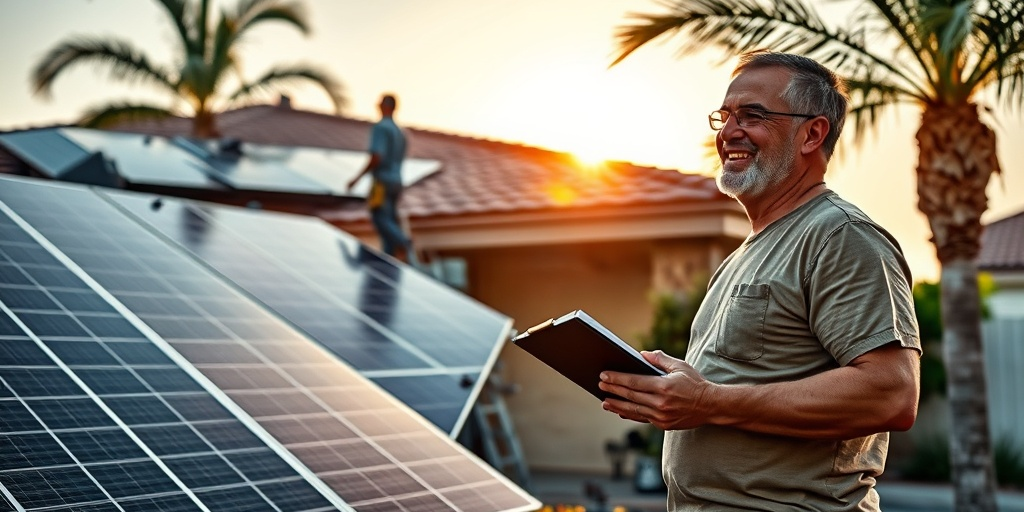
As a Florida homeowner or commercial property owner, have you ever wondered how long your solar panels will last, and how you can maximize their lifespan during the sunny years ahead? With the rise in energy costs and an increased need for sustainable energy solutions, understanding the essential insights on solar panel lifespan for Florida homeowners is crucial. In 2025, the average lifespan of solar panels typically ranges from 25 to 30 years according to the National Renewable Energy Laboratory (NREL) and the U.S. Department of Energy (Energy.gov). This rapidly changing economic landscape, combined with the increasing adoption of solar technology, makes it imperative for you to make informed choices regarding your solar investment. This blog will not only shed light on how to enhance the performance and longevity of your solar systems but will also help you navigate the complexities associated with them. Over the course of the next several sections, we will explore real-life case studies, actionable checklists, debunk common myths, focus on local insights pertinent to Florida, and dive deep into the technical aspects of solar energy systems. We invite you on a journey to empower your decision-making when it comes to investing in solar power, enabling you to harness a bright and clean energy future.
Understanding Solar Panel Lifespan: What Florida Homeowners Need to Know
To appreciate how to get the most out of your solar investment, let’s delve deeper into the story of John and Laura, a Florida couple who made the shift to solar in their new home in Sarasota. After extensive research, they discovered that Florida homeowners can expect a significant return on their solar investment, given the state’s abundant sunshine and financial incentives available. However, they were concerned about the expected lifespan of solar panels and how to ensure that they would last for decades without issues.
John and Laura learned that the average solar panel degrades at about 0.5% per year, meaning that a panel that delivers 300 watts at purchase will provide roughly 275 watts after 25 years (EcoWatch.com). This statistic cemented their decision to go solar, bolstered by Florida’s state incentives that encouraged solar adoption. By investing, they not only reduced their monthly electric bills but also took a bold step towards energy independence—a journey required due to the persistent threat of rising energy costs and grid instability that homeowners increasingly face.
In 2025, as homeowners increasingly prioritize long-term energy solutions, understanding solar panel longevity is essential for making informed choices that lead to significant cost savings. This essential knowledge will guide you as you explore 1) actionable checklists for maximizing lifespan, 2) debunking common myths about solar energy, 3) local insights specific to Florida homeowners, and 4) a technical deep-dive into the intricate components of your solar system.
1. Case Study: A Florida Family’s Solar Investment Journey
Let’s take a closer look at the story of John and Laura. When they first moved to Florida, they were greeted by the sun’s warm embrace and the promise of abundant energy from solar power. Driven by a desire to sustain their family’s future while reducing their carbon footprint, they embarked on a quest to embrace solar energy. After careful consideration, they chose a system that would meet their energy needs, specifically researching the panel types and inverter systems available to them.
In assessing their options, they discovered that there are primarily three types of solar panels: monocrystalline, polycrystalline, and thin-film. Monocrystalline panels, often considered the best option for homeowners due to their efficiency, longevity, and space-saving design, can last up to 30 years—sometimes longer! Meanwhile, polycrystalline panels, while less efficient, are often more affordable and have a lifespan around 25 years. Lastly, thin-film panels, which are lightweight and flexible, typically have a shorter lifespan and lower efficiency compared to their crystalline counterparts.
As John and Laura’s solar installation was completed, they took proactive steps to care for their investment. They installed a monitoring system to track their panel performance and scheduled regular maintenance checks with a certified solar installer. This attention to detail ensured not only their panels’ efficiency but also maximized the longevity of the entire system.
Here are actionable steps homeowners can follow for a successful solar investment:
- Step 1: Research solar panel types and their respective lifespans—know what will work best for your home.
- Step 2: Opt for a qualified installer with a solid track record and customer reviews—don’t cut corners here!
- Step 3: Schedule regular maintenance—this includes cleaning your panels and monitoring your energy production.
- Step 4: Explore energy storage options—adding a battery can significantly increase your energy independence.
- Step 5: Be informed about warranties and performance guarantees—invest in panels with solid warranties to protect your investment.
By following these steps, homeowners like John and Laura can expect their investments to yield returns long into the future, harnessing energy from the shining sun while contributing to a sustainable environment. This success story illustrates the remarkable potential of solar energy, emphasizing the importance of thorough research, diligent maintenance practices, and a commitment to sustainability.
2. Debunking Common Myths about Solar Panel Lifespan
Myth #1: Solar panels need to be replaced every few years. This fallacy often dissuades homeowners from embracing solar technology. In reality, high-quality solar panels can last upwards of 25 to 30 years, and many come with warranties providing up to 25 years of coverage against defects and performance degradation (SEIA.org).
Myth #2: All solar panels degrade at the same rate. Not all panels are created equal. While on average, solar panels lose about 0.5% to 0.8% of their efficiency per year, monocrystalline panels that homeowners prefer may have slower degradation rates compared to other types. Variations in quality, technology, and environmental factors can impact performance.
Myth #3: You must cut down trees to install solar panels. Many people believe that solar panels require full sun exposure; however, placing panels in partially shaded areas can still provide viable energy. Emerging technologies and intelligent optimization systems can assist in ameliorating shading issues! In Florida, where sunlight is abundant, homeowners can maximize energy output even with trees around (NREL.gov).
Myth #4: A sunny Florida climate guarantees high performance without maintenance. While Florida’s sunny disposition is advantageous, maintenance is still required. Dirty panels can lead to a 20% or more drop in efficiency (SolarReviews.com). Regular cleaning and monitoring are paramount for astonishing long-term performance.
Myth #5: Solar panels are a risky investment. On the contrary, numerous studies show that solar installations can significantly increase property value. Homes equipped with solar energy systems are seen as more desirable and can command higher resale prices, thus presenting substantial financial returns for homeowners over time (Energy.gov).
By debunking these myths, Florida homeowners can feel empowered to embrace solar energy without misconceptions clouding their judgment. Understanding the reality of solar power is crucial for making informed decisions and embarking on a rewarding journey towards energy independence.
3. Best Practices for Maximizing Solar Panel Lifespan
When investing in solar energy, home and property owners need to consider sustainable practices to maximize the lifespan of their solar panels. The following five best practices encapsulate expert advice for keeping your solar systems healthy:
- Regular Cleaning: Dirt, dust, and debris can significantly reduce the efficiency of solar panels. Monitoring and cleaning are essential—make this part of your home maintenance routine, particularly in the dry seasons.
- Performance Monitoring: Installing a monitoring system to track energy production enables you to identify any issues early. This proactive approach can catch any significant drops in performance that might warrant a professional inspection.
- Professional Maintenance: Schedule periodic inspections with a certified solar technician who can assess the health of your system, check for damage, and ensure everything is running effectively.
- Battery Storage Investment: If feasible, homeowners should consider adding a solar battery storage system. This can help maximize solar power usage, store energy for nighttime use, and lessen your dependency on the grid.
- Staying Updated with Incentives: Florida homeowners should remain informed about solar incentives, rebates, and tax credits that can offset installation costs and enhance the financial viability of their solar investment.
By adhering to these best practices, you can nurture the energy potential of your solar panels and ensure they serve you well over their entire lifespan. For more information on solar energy options tailored to Florida residents, visit floridaelectricandsolar.com.
4. Understanding the Technical Aspects of Solar Systems
A comprehensive understanding of solar energy systems will empower homeowners to maximize performance and longevity. Solar systems primarily consist of three components: solar panels, inverters, and battery storage (if applicable). Each component has its lifespan and maintenance requirements, influencing the overall efficacy of your installation.
Solar panels are the most visible part of the system, converting sunlight into electricity. It’s crucial to choose high-quality panels that offer strong warranties and performance guarantees. As a reminder, panels typically degrade over time at a rate of about 0.5%, meaning quality matters! Florida’s often intense sun exposure necessitates durable materials that can withstand wear and tear from weather elements.
Inverters, on the other hand, convert direct current (DC) from the solar panels to alternating current (AC) used in homes. While solar panels can last for decades, inverters usually require replacement every 5 to 10 years, depending on the model (SolarReviews.com). It’s vital to factor this replacement into your long-term solar planning.
If homeowners wish to store energy effectively, battery systems are also an option. They can increase lifetime advantages by storing electricity generated during peak sunlight hours, allowing for usage during times of higher demand or power outages. However, storage systems have different lifespans—typically lasting 5 to 15 years—meaning homeowners need to account for additional costs over time.
As modern technology advances, more tools will emerge to assist your solar energy systems’ performance. To stay on top of these changes, it’s wise to engage with local solar professionals who understand the intricacies of your system.
5. Next Steps for Florida Solar Buyers in 2025
With all this information under your belt, it’s time to take actionable steps toward getting solar energy for your home in Florida. Here’s a simple checklist to guide you through the process:
- Step 1: Audit Your Electric Bill: Understand your current electricity consumption and expenses to help identify your energy needs and how solar can serve you.
- Step 2: Research Local Installers: Focus on residential solar companies with positive reviews and established expertise in the Florida market.
- Step 3: Schedule Consultations: Meet with selected solar advisors to discuss options, costs, and benefits tailored to your situation.
- Step 4: Choose Your System: Work closely with your chosen installer to select the right solar panels and battery storage options that match your energy needs.
- Step 5: Review and Sign Contracts: Carefully review contracts, warranty options, and long-term solar projections before making your final decisions.
By following these steps, you’re forging a path towards energy independence, financial savings, and environmental impact. To further assist you in your solar journey, check out floridaelectricandsolar.com for more resources and information.
In conclusion, understanding solar panel longevity, debunking myths, and recognizing best practices will significantly impact your energy decisions. The ripe landscape of solar energy in Florida presents a golden opportunity for homeowners to transition towards cleaner energy sources while maximizing their investment. With actions that prioritize maintenance, quality investments, and informed decision-making, you can ensure a significant return on your solar investment. Remember that this is not just about saving money; it’s about creating a sustainable future for generations to come.
Ready to start your solar journey in 2025? Connect with a certified expert at floridaelectricandsolar.com today.
Related Articles
More insights about Solar Panel

Florida Homeowners: Why Solar Panel Maintenance Is Essential

7 Essential Steps for Solar Panel Installation Success

Expert Insights: Key Factors Influencing Solar Panel Lifespan
Ready to Go Solar?
Have questions about solar energy? Our experts are here to help you make the switch to clean, renewable energy.