
Expert Insight: Choosing the Right Inverter for Solar Efficiency
Share:
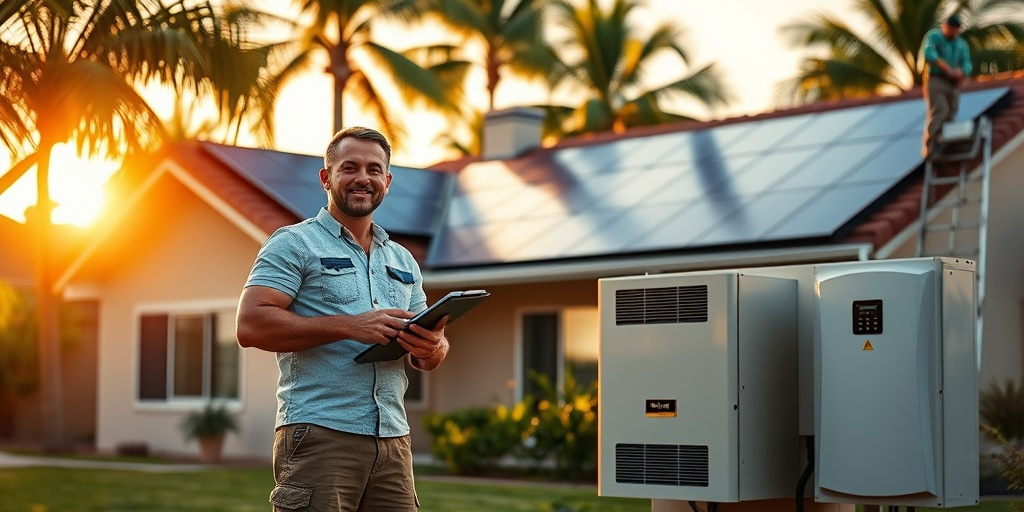
Imagine a Florida homeowner, Sarah, who faced an out-of-control electric bill in summer 2024. After hearing about the local incentives and the increasing cost of energy from traditional sources, she decided to invest in solar power. As she researched, she quickly learned that one of the key factors affecting her solar efficiency was the inverter—a component she hadn’t even considered until then. This pivotal moment led her down a path to understanding how crucial the right inverter is to maximizing her return on investment (ROI) in solar energy. This scenario is shared among many Florida homeowners who are contemplating the transition to solar, especially as we approach 2025, with energy costs expected to rise. Understanding the importance of selecting the right inverter is essential for anyone looking to optimize energy production in their solar journey. In this article titled Expert Insight: Choosing the Right Inverter for Solar Efficiency, we will navigate through the intricacies of choosing an inverter that meets your needs, involving a deep dive into real case studies, actionable checklists, prevalent myths, expert best practices, and an actionable plan for you, the Florida solar buyer.
As we enter 2025, the solar industry is thriving more than ever. According to the Solar Energy Industries Association (SEIA), Florida ranks second in the nation for solar power (SEIA.org). With state incentives and federal tax credits, Floridians have more opportunities than ever to transition to renewable energy. However, the inverter—the heart of the solar energy system—is often overlooked. Many homeowners assume any inverter will work, which could lead to missed efficiency gains and lower ROI. Did you know that a high-quality inverter can increase your system’s energy production by up to a staggering 15%? It’s not just about putting solar panels on your roof; it’s about ensuring that these panels work tirelessly to deliver maximum benefits.
In this comprehensive guide, we will cover five key sections to ensure you’ve got all the insights you need:
- Section 1: A deep dive into the different types of inverters and their actual impact on energy production.
- Section 2: A checklist of essential factors to consider when choosing your inverter.
- Section 3: Myths surrounding solar inverters that may lead to misconceptions.
- Section 4: Best practices for installing and maintaining your solar system.
- Section 5: An actionable plan to get started on your solar journey.
Let’s explore how selecting the right inverter can help you maximize your solar energy efficiency in Florida!
Understanding the Different Types of Inverters and Their Role in Solar Efficiency
In the solar industry, the term inverter refers to the device that converts direct current (DC) generated by solar panels into alternating current (AC) suitable for use in your home or business. Understanding the type of inverter you choose can dramatically shape your solar system’s performance. Let’s look at a compelling case study of a Florida homeowner that illustrates this point.
Meet John, a business owner in Orlando. He decided to invest in solar panels to reduce his commercial building’s soaring electric bills. Initially, he chose a standard string inverter, thinking it suited his needs. However, soon after installation, he realized that his energy output was lower than anticipated during overcast days. After consulting with a solar expert, he learned about microinverters that function independently for each solar panel. These devices optimize energy production by ensuring that if one panel underperforms, it does not affect the others in the configuration.
After upgrading to microinverters, John saw a 20% increase in energy production during less-than-sunny days. Imagine the profit losses he could have incurred had he not sought advice and made this crucial change.
Here are some essential types of inverters for solar installations:
- String Inverters: The most common type, connecting multiple panels into one string. They are cost-effective but can result in lower efficiency if one panel is shaded.
- Microinverters: Installed on each panel, optimizing energy production on an individual basis, commonly resulting in higher overall efficiency.
- Power Optimizers: These devices function with a string inverter but optimize each panel’s performance like microinverters while maintaining a cost-effective approach.
When considering these types of inverters, it is essential to factor in the specific location of your property. For instance, lengthy shadows cast by nearby trees or buildings can severely impact the performance of string inverters. According to the National Renewable Energy Laboratory (NREL), areas with high shading can reduce energy production by up to 70% with traditional string inverters (NREL.gov). Hence, investing in microinverters or power optimizers may be a more fruitful choice for many Florida homeowners.
Before making a decision, ask yourself:
- What kind of shading does your installation site receive?
- What is your budget for inverters?
- How many panels will you be installing, and what is their expected production capability?
Transitions to modern inverter technology can make a significant difference in ROI, further emphasizing the importance of thorough research. Next, let’s create a checklist to guide you through your inverter selection process.
Essential Checklist for Choosing the Right Inverter
When you’re ready to choose the right inverter, it’s important to have a tactical approach. You can’t just rely on pricing or recommendations alone. Here’s a structured checklist to guide your selection process:
- Step 1: Assess your energy consumption needs. Review your energy bills for the past year to identify your average monthly usage.
- Step 2: Determine your roof orientation and shading potential. South-facing roofs maximize exposure and energy productivity.
- Step 3: Compare inverter models and brands. Look for warranties, efficiency ratings, and consumer reviews.
- Step 4: Consult with a solar installer. A professional can evaluate your property and suggest the right inverter based on your unique circumstances.
- Step 5: Understand your solar financing options. Federal tax credits and local rebates may influence your choice.
By completing this checklist, you’ll equip yourself with everything you need to evaluate your inverter options strategically. And remember, make sure to check out services available at floridaelectricandsolar.com for tailored guidance!
Recognizing myths can cut through considerable confusion when it comes time to invest in solar equipment. In our next section, we will debunk several prevalent misconceptions surrounding inverters.
Debunking Myths About Solar Inverters
Despite the wealth of information available, misinformation surrounding solar technology persists. Below are some common myths about solar inverters that you need to be aware of:
Myth #1: All inverters are the same.
This could not be further from the truth. The type of inverter significantly affects your solar system’s efficiency, reliability, and overall performance. Choosing the wrong inverter can lead to higher maintenance costs and lost energy production.
Myth #2: Once installed, inverters don’t require maintenance.
This is another misconception. While solar panels are largely low-maintenance, inverters may require occasional checks to ensure they are functioning optimally. Some brands even offer monitoring systems to track performance, essential for long-term yield.
Myth #3: Higher cost always means higher quality.
Price isn’t always an indicator of quality. Some reputable brands offer affordable options that perform comparably to high-priced counterparts. Look for efficiency ratings and consumer reviews instead.
Myth #4: Microinverters are only for large projects.
Microinverters are suitable for both small and large installations. They can provide higher efficiency, especially in environments with shading, making them a great choice for residential properties.
Myth #5: All warranties are the same.
Warranties can differ significantly. Pay attention to what each warranty specifically covers, as some may include performance guarantees or service options.
In debunking these myths, you are better informed to make strategic decisions about your solar installation. Understanding the facts allows you to select a robust system that maximizes energy efficiency in your Florida home or business.
5 Best Practices for Solar Installation in 2025
Now that you have a clearer understanding of inverters and the myths surrounding them, it’s time to consider the best practices for your solar installation in 2025. There’s a lot to consider when opting for solar energy, so here’s a definitive list to help you make the right choices:
1. Don’t skimp on panel placement.
Ensuring that your solar panels are positioned for maximum sun exposure is key. Evaluating obstructions nearby (like trees or buildings) can prevent significant energy loss.
2. Select high-efficiency panels and a reliable inverter.
Your choice of equipment significantly influences your overall system performance. High-efficiency, reputable brands typically have better warranties and customer support. This ensures that if any issues arise down the line, you’re covered.
3. Stay informed on local regulations and incentives.
Florida offers unique rebate programs and policies that may change over the years. An updated understanding of these variables can impact your savings and project timeline.
4. Regularly monitor system performance.
Tracking your solar system can help catch potential issues before they escalate. Many modern inverters come with user-friendly apps that allow real-time monitoring.
5. Make sure your installation crew is certified.
Always choose a qualified and experienced contractor. Proper installation ensures efficiency, minimizes future maintenance issues, and protects your investment.
Effective solar installation and maintenance practices can significantly extend your system’s life while maximizing energy output.
An Inspiring Solar Journey of a Florida Homeowner
Let’s take a moment to recount the fictional yet plausible journey of Amanda, a Florida homeowner. Faced with rising utility bills and ecological concerns, she decided that 2024 would be the year she went solar. After learning about the state’s incentives and potential savings, her excitement was palpable. However, skepticism filled her mind regarding the inverter choices available.
Amanda wanted to ensure she would maximize her solar capabilities and ultimately future-proof her energy strategy. After conducting thorough research and consulting local solar energy providers, she ultimately chose a microinverter system. This decision was revolutionary, as she was able to optimize energy production even on cloudy days and while her neighbor’s panels struggled.
Fast forward two years, and Amanda not only has cut her electric bills significantly, but her property value also increased due to the added efficiency of her solar installation. Furthermore, her family now enjoys the satisfaction of relying on clean energy.
Here are the points that contributed to Amanda’s successful solar transition:
- A clear understanding of her energy needs.
- A detailed evaluation of her installation area for shading and sun exposure.
- Regular engagement with local solar experts and ongoing education on solar incentives.
Amanda’s drive for energy independence and financial prudence made her journey inspiring and emblematic of many Florida homeowners in 2025. If she can do it, so can you!
Next Steps for Florida Solar Buyers in 2025
Now that you are equipped with knowledge about inverters and best practices for solar systems, here are actionable next steps to lead you towards a successful transition to solar energy.
- Step 1: Audit your electric bill. Identify trends in your usage to understand your solar needs better.
- Step 2: Assess your roof conditions. Look for any trees or structures causing potential shading and impact on solar efficiency.
- Step 3: Research local incentives. Florida has numerous programs that can save you significant upfront costs.
- Step 4: Get multiple quotes and consult with certified solar installers. Compare options to ensure you receive the best technology and financing.
- Step 5: Schedule your installation. Once you decide on a contractor, secure your installation date and prepare your home for the journey.
Always remember, as you embark on this renewable energy venture, expertise is key in navigating the process. Consider visiting floridaelectricandsolar.com for additional resources to enhance your experience and increase solar efficiency.
Conclusion
In concluding, Expert Insight: Choosing the Right Inverter for Solar Efficiency offers a vital educational resource for Florida homeowners and commercial property owners ready to embrace renewable energy in 2025. By now, you understand the different types of inverters, essential points that culminate into a comprehensive checklist, debunked myths, best practices, and actionable next steps for solar buyers.
As you reflect on your solar options, focus on this critical fact: investing in the right inverter can save you both money and aggravation in the long run. In the face of rising utility costs and the threat of climate change, the decision to transition to solar energy is not only timely but necessary for the financial futures of your family and community.
Lastly, if you’re ready to start your solar journey in 2025, don’t hesitate. Connect with a certified expert at floridaelectricandsolar.com today and make the leap toward a sustainable, energy-independent future!
Related Articles
More insights about Inverter

5 Critical Steps for Choosing the Right Inverter

7 Essential Tips for Choosing the Right Inverter

Technical Deep-Dive: Choosing the Right Inverter for Your Solar System
Ready to Go Solar?
Have questions about solar energy? Our experts are here to help you make the switch to clean, renewable energy.