
Expert Insight on Choosing the Right Inverter for Solar Systems
Share:
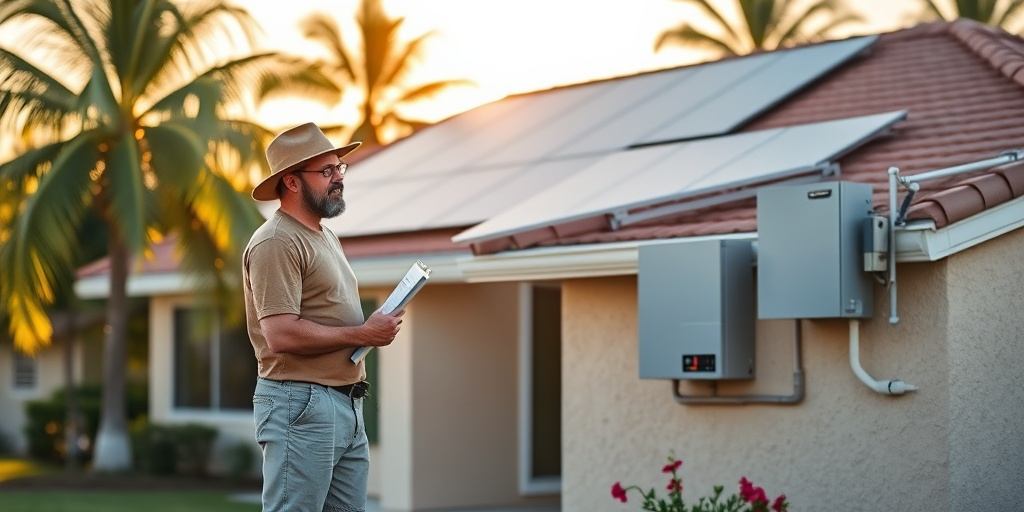
Did you know that over 25% of Florida’s energy is derived from renewable sources, primarily solar? In just the past decade, solar installations in Florida have soared by 300%—making this state one of the most vibrant markets for solar energy in the entire nation (SEIA.org). Yet, despite the sun-soaked skies and increasing public interest, many homeowners remain skeptical or misinformed about how to harness this energy. One common decision that can have significant implications on your solar system’s performance is the selection of the right inverter. This is where our blog titled Expert Insight on Choosing the Right Inverter for Solar Systems comes into play. As we move forward into 2025, numerous incentives and technological advancements are set to transform the solar landscape in Florida. The urgency to understand what inverter suits your home best has never been more critical. We will delve into case studies, myth-busters, technical insights, actionable checklists, and more, to empower you on your solar journey.
Understanding Solar Inverters: The Heart of Your Solar Power System
Imagine Peter, a homeowner in Gainesville, who recently decided to install a solar system. After researching various solar technologies, he stumbled upon the inverter—a device that converting the direct current (DC) generated by his solar panels into alternating current (AC) for household use. Despite having a desire to cut energy bills and reduce his carbon footprint, Peter was inundated with choices: string inverters, microinverters, and power optimizers. The question loomed large; how do you determine the right inverter for your solar system?
When you consider that the type of inverter directly influences the efficiency and longevity of your solar energy system, the stakes are high. As of 2023, the average American homeowner saves over $1,500 annually on electric bills using solar—and that number is expected to rise with more stringent government incentives and advancements in battery technology (Energy.gov). However, selecting the ideal inverter can make or break that savings. Let’s explore the key elements to consider when choosing the right inverter for your solar system in Florida.
- Step 1: Define Your Energy Needs
The first step to choosing the right inverter is understanding your energy consumption needs. Review your past electric bills to gauge how much energy you use typically. This will help you determine the capacity of the inverter required. - Step 2: Know Your Local Incentives
Florida has some of the most attractive solar incentives in the U.S. Take full advantage of the federal solar tax credit, which allows you to deduct a significant percentage of your solar costs from your tax bill. - Step 3: Rethink Your Roof’s Position
The direction and angle of your roof can dramatically influence inverter performance. A properly positioned solar system can reduce costs and increase efficiency. - Step 4: Evaluate the Types of Inverters
Explore the different types of inverters such as string inverters, microinverters, and power optimizers. Each has its pros and cons that can affect your solar system’s overall performance. - Step 5: Consider Future Expansion
If you plan to expand your solar system, make sure to choose an inverter that can handle increased capacity or additional solar panels.
Debunking Common Misconceptions About Solar Inverters
There are numerous myths surrounding solar inverters that can lead to poor decision-making. Let’s break down some common misconceptions:
- Myth #1: All Inverters Are Created Equal
This could not be more misleading. Inverters vary wildly in efficiency, lifespan, and performance. Investing in a high-quality inverter often pays for itself in energy savings. - Myth #2: Microinverters Are Only for Large Installations
Actually, microinverters are particularly beneficial for smaller installations in shaded areas, allowing panels to perform optimally despite obstructions. - Myth #3: String Inverters Are Obsolete
While microinverters are gaining popularity, string inverters remain a viable option for many homeowners, especially those with less shading on their roofs. - Myth #4: You Don’t Need a Battery with Solar
While net metering allows you to use the grid for storage, having a battery backup system ensures that you have power during outages—especially important in hurricane-prone Florida. - Myth #5: Inverters Don’t Require Maintenance
Regular checks on the inverter’s performance can help catch issues before they become costly, prolonging its lifespan.
As Florida homeowners consider solar options, understanding these myths is essential to making informed decisions that align with your financial and energy goals.
Optimal Solar Practices for Inverter Selection
Want to enhance your solar experience? Here are five expert installation tips for 2025.
- Don’t Skimp on Quality
Choosing a high-quality inverter is just as crucial as selecting the right solar panels. Top manufacturers may charge more upfront but offer superior performance and reliability. - Choose the Right Installer
The expertise of your installer can make the difference in selecting the appropriate inverter and optimizing its placement. - Monitor Performance Regularly
Use apps and monitoring systems that help you keep an eye on your inverter’s performance to catch and address issues early. - Learn About Warranty Conditions
Research the warranties offered—most inverters come with a 10-year warranty, but some high-quality models offer much longer. - Stay Informed
The solar world evolves rapidly. Keeping up-to-date with new technologies can help you make informed decisions about your inverter and overall solar setup.
Optimizing your solar investment in Florida deserves a careful approach. The choices made today will impact your energy savings and environmental footprint for years to come.
Case Study: A Florida Family’s Solar Journey
Meet the Rodriguez family from Tampa. Two years ago, they decided to embrace solar power in hopes of slashing their electric bills—especially after a year where their consumption skyrocketed due to remote work. After conducting diligent research, they consulted experts at floridaelectricandsolar.com and learned about the nuances of inverters.
The family opted for a solar solution that included 15 high-efficiency panels paired with microinverters. Their goals were clear: maximizing their energy savings while accommodating shaded areas from nearby trees. The upfront investment was substantial, yet they were poised to make a full return on their investment in less than five years due to the energy cost savings and current state incentives.
Here are some notable takeaways from their experience:
- They found that monitoring their system was essential to ensure optimum performance—revealing issues linked to a fallback inverter that was underperforming.
- Regular maintenance checks led to a performance increase of nearly 10%; they learned early on that keeping an eye on their inverter was just as important as their panels.
- The Rodriguez family discovered that not all solar providers provide equal service. By choosing a knowledgeable provider, they maximized their installation’s potential. Their home’s energy bills dropped by over 75% in just one year.
Next Steps for Florida Solar Buyers in 2025
Your decision to invest in solar power starts with the right understanding, planning, and execution. Here’s a summarized action plan for potential solar buyers like you:
- Audit Your Electric Bill
Start by reviewing your recent electric bills to get an overall picture of your energy consumption. Identify peak usage periods and the potential savings from going solar. - Research Incentives
Understand available state and federal incentives to maximize your return on investment. Florida continues to offer generous programs to encourage solar adoption. - Consult with Experienced Providers
Seek certified professionals who can walk you through the intricacies of inverter options and solar technology to best meet your needs. - Spot-Check Your Roof
Assess your roof’s condition and direction for optimal solar panel placement. Also, consider structural modifications that may help enhance your system’s performance. - Join Community Forums
Engage with your local solar community to learn from other homeowners’ experiences. Knowledge-sharing can provide invaluable insights.
By abiding by this action plan, your solar journey will be rooted in informed decision-making and transformative benefits that come with embracing clean energy solutions.
In conclusion, investing in solar power, particularly in Florida, is more than just a financial decision; it’s an investment in a sustainable future. With skyrocketing energy costs, optimized inverter selection can maximize your savings and ensure you power your home efficiently. The trend toward solar energy is unstoppable, and by starting your journey today, you’re setting your family up for a brighter, more sustainable tomorrow. Remember, it’s not just about lowering bills—it’s about embracing a cleaner environment for future generations.
Ready to start your solar journey in 2025? Connect with a certified expert at floridaelectricandsolar.com today.
Related Articles
More insights about Inverter

5 Critical Steps for Choosing the Right Inverter

7 Essential Tips for Choosing the Right Inverter

Technical Deep-Dive: Choosing the Right Inverter for Your Solar System
Ready to Go Solar?
Have questions about solar energy? Our experts are here to help you make the switch to clean, renewable energy.