
Expert Insight: Maximizing Solar Panel ROI for Florida Homeowners
Share:
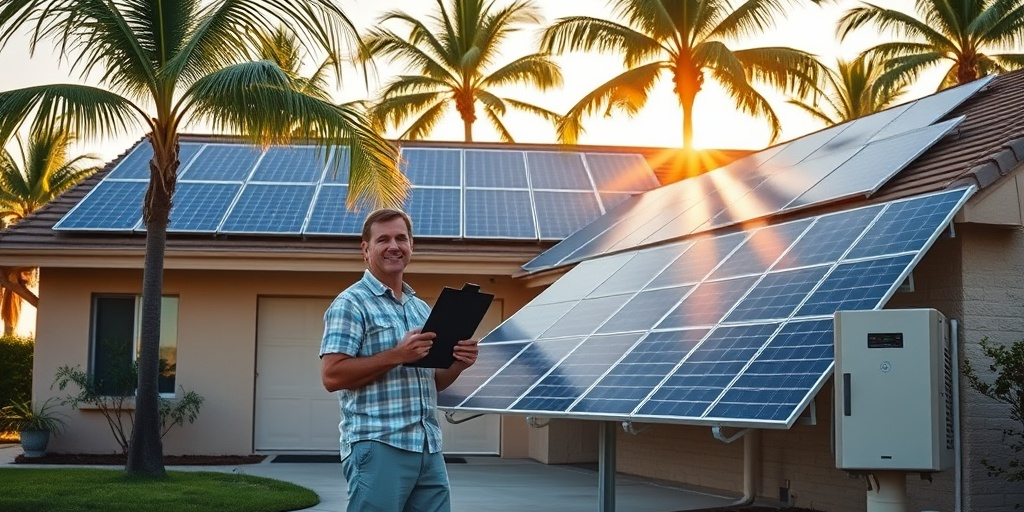
Imagine waking up one warm Florida morning to a power bill that has been slashed in half. For many homeowners across the Sunshine State, that dream can become a reality with solar energy. But how can you maximize your solar investments to ensure you get the best return on investment (ROI)? In our article titled “Expert Insight: Maximizing Solar Panel ROI for Florida Homeowners,” we’ll explore effective strategies to boost your solar savings. According to the Solar Energy Industries Association, Florida ranks third in the United States for solar capacity, boasting over 6,000 megawatts installed as of 2022 (SEIA.org). With an increasing number of Floridians transitioning to solar power, there’s never been a more crucial time to understand how to maximize your ROI in 2025.
Why is this particularly important now? In 2025, Florida homeowners will face significant changes in energy costs, alongside potential new solar incentives that can dramatically impact your savings. Furthermore, the ongoing challenges of grid stability and rising electricity rates make solar adoption not just an environmental choice—but a financially savvy one. Hence, it’s essential to stay informed and take decisive steps now to secure your future energy costs.
Throughout this article, we will tackle five integral sections:
- Section 1: Discover the transformative impact of solar through case studies and actionable steps.
- Section 2: Break down the common myths surrounding solar energy and present the realities for prospective buyers.
- Section 3: Learn best practices for solar installation to enhance the efficiency of your system.
- Section 4: Delve into the narratives or data that shape today’s solar market.
- Section 5: Take actionable steps to prepare for your solar investment.
Prepare to harness the power of solar energy and transform your financial future as we uncover key strategies for maximizing solar ROI in “Expert Insight: Maximizing Solar Panel ROI for Florida Homeowners.”
Transform Your Home with Solar: Real-World Case Studies and Actionable Strategies
Consider the story of the Martinez family from Miami—by installing solar panels on their property, they saw a reduction in their monthly electricity bills by 70%. Not only did this alleviate financial stress, but it also allowed them to channel those savings toward their children’s education. The impact of solar energy can be profound, but how do you replicate their success? Below are actionable strategies you can implement in your solar journey.
- Choose the Right Solar System: Conduct thorough research on the different types of solar panels available—monocrystalline, polycrystalline, and thin-film panels. Monocrystalline panels often offer higher efficiency and longevity and may suit more compact roofs.
- Optimize the Location: Ensure your panels are placed in areas with maximum sun exposure—ideally facing south or southwest, free of shade from trees or structures.
- Incorporate Smart Technology: Consider adding energy storage solutions like batteries to capture excess solar energy for use during peak hours. This choice can enhance your savings even further.
- Monitor Your Energy Consumption: Utilize smart home systems to track your energy use. Identifying high-usage appliances can help you make changes that further reduce monthly costs.
- Stay Informed on Incentives: Research state-specific incentives that could aid in offsetting installation costs, such as the federal solar tax credit (Investment Tax Credit or ITC), which provides a deduction of a percentage of the cost of installing a solar system. This can lead to significant upfront savings (SolarReviews.com).
With these strategies, the Martinez family not only significantly cut their electric bills but also contributed to a cleaner environment. Understanding nuances such as panel efficiency and local incentive programs can provide similar results for you as a Florida homeowner. The expert insight shared here is a call to action—don’t wait for tomorrow to seize the financial freedom embedded within solar energy.
That said, not all solar investments pan out as hoped. Many homeowners fall prey to misconceptions that impact their decisions. So, let’s debunk these myths to ensure you embark on the right path.
Debunking Solar Myths: What Florida Homeowners Need to Know
As interest in solar energy flourishes in Florida, so do the myths associated with it. Below, we debunk some widespread misconceptions that can hinder your investment.
Myth #1: Solar Panels only work in sunny states.
While it’s true that Florida enjoys abundant sunshine, solar panels can still generate power on cloudy days. In fact, solar panels can be as much as 80% efficient in overcast conditions, allowing homeowners to benefit from energy savings year-round.
Myth #2: Solar Energy is too expensive.
With the continuous drop in the cost of solar technology, the price of installation has become significantly more affordable. On average, the cost of solar installations has decreased by over 70% in the last decade (SEIA.org), making it attainable for many Florida homeowners.
Myth #3: You can’t go solar if you live in an HOA.
Many HOAs are becoming more receptive to solar installations. With state laws protecting homeowners’ rights to install solar, you likely can negotiate your terms with your HOA. Be sure to check local regulations before proceeding.
Myth #4: Solar Panels decrease property value.
Contrary to popular belief, homes with solar energy installations typically see an increase in property value, often recovering the installation costs upon sale due to the reduced operating costs associated with solar energy (SolarReviews.com).
Myth #5: You need to completely rely on solar energy.
Many homeowners choose to remain connected to the grid, which allows them to draw on traditional energy when their solar system is not producing enough. This hybrid model offers flexibility while still providing substantial savings.
By debunking these myths, homeowners can enter the solar market with clearer expectations, avoiding misinformed decisions that could hinder their ROI. The next step involves best practices, informing you how to effectively implement solar in your home.
5 Expert Solar Installation Tips for 2025
Transitioning to solar energy can feel overwhelming, but adhering to expert installation practices can maximize your solar panel performance. Here are five crucial tips to consider:
1. Don’t Skimp on Quality Equipment:
While cheaper options may tempt your budget, investing in high-quality solar panels from reputable manufacturers guarantees durability and efficiency, maximizing long-term ROI.
2. Hire Certified Installers:
Opt for licensed solar installers who understand local regulations and best practices. Their expertise can make a big difference in how effectively your system performs.
3. Consider Your Roof’s Condition:
Before installation, ensure that your roof is in good condition. Any significant repairs needed after panel installation may compromise your system’s effectiveness.
4. Monitor Performance Regularly:
Using monitoring software can help track your solar panel’s performance, ensuring it operates at peak efficiency. Addressing performance issues quickly can prevent reduced savings.
5. Explore Financing Options:
Solar financing options abound—choose the one that best fits your financial situation. Options like power purchase agreements (PPAs) or solar loans can make the transition seamless and financially viable.
Following these installation tips can boost your savings and lead you down the path to financial security. However, if you want to understand the ongoing dynamics of the solar market, let’s delve deeper into the narratives shaping its future.
Florida’s Solar Future: A Journey Through Homeowner Narratives and Emerging Data
To illustrate the transformative power of solar, let’s consider the narrative of a fictional homeowner, Emma, living in Orlando. Emma was concerned about rising utility bills impacting her family budget and was drawn to solar energy as a viable solution. However, she had many questions: Would her investment pay off? How long would it take to see returns?
- Research: Emma spent weeks researching solar panel companies. She read reviews, contacted local installers, and attended solar seminars in her community.
- Evaluating Incentives: Emma quickly learned about incentives available specifically for Florida residents, including the 26% federal tax credit and local rebates. This significantly reduced her upfront costs.
- Making the Decision: After careful consideration and price comparisons, Emma chose a reputable installer that offered a comprehensive maintenance plan.
- Installing Panels: Soon, her home was fitted with high-efficiency solar panels, and Emma was excited to watch her energy bills plummet.
Emma’s story reflects many Floridians’ experiences. According to the National Renewable Energy Laboratory (NREL), Florida’s solar market is projected to continue growing and could account for up to 20% of the state’s energy consumption by 2030 (NREL.gov). Observing this trajectory, more homeowners like Emma are investing in solar as a hedge against rising energy prices.
With compelling narratives emerging from across the state, you might be considering what comes next. Let’s break down the action steps you need to take for a successful solar investment in 2025.
Next Steps for Florida Solar Buyers in 2025
Embarking on your solar journey is exciting but may seem daunting. Here’s a clear action plan for making your transition to solar energy as seamless as possible:
- Audit Your Electric Bill: Start by reviewing your current electric bill to understand your consumption patterns. Identify your average monthly usage to estimate the size of the solar system you’ll need.
- Research Solar Options: Investigate different types of solar technology, including the benefits of residential solar panels, solar shingles, and energy storage solutions.
- Contact Local Installers: Reach out to certified solar energy providers in your area, like floridaelectricandsolar.com, to request quotes and assessments tailored to your needs.
- Explore Financing Choices: Delve into the financial structures that will support your investment, such as leasing, loans, or PPAs, to ensure you’re making the most cost-effective decision.
- Track Performance: Once installed, continuously monitor your system’s performance to ensure optimal energy production, and adjust your consumption accordingly.
Following these next steps will empower you as a Florida homeowner to transition smoothly into the solar marketplace. The story of solar energy is still being written, and your chapter begins now.
As we conclude this exploration into maximizing solar panel ROI, let’s look back on this transformative journey.
Conclusion: Your Path to Empowering Savings and Sustainability
In conclusion, navigating the solar landscape in Florida unlocks a world of financial opportunity. From case studies of successful homeowners like the Martinez family to debunking common myths that jeopardize your decisions, you’ve gleaned critical insights vital for your investment. Armed with expert advice on best practices, compelling narratives about solar’s growth, and an actionable plan, you can confidently move forward.
Solar energy is not just a solution for today; it’s an investment in your future. As costs for traditional energy sources continue to rise, seizing the moment to go solar in 2025 will ensure you not only cut costs but also align with the sustainable energy movement. The urgency is greater than ever—your family’s financial health and the environment depend on the choices you make today.
Ready to start your solar journey in 2025? Connect with a certified expert at floridaelectricandsolar.com today. Your brighter future awaits!
Related Articles
More insights about Solar Panel

Florida Homeowners: Why Solar Panel Maintenance Is Essential

7 Essential Steps for Solar Panel Installation Success

Expert Insights: Key Factors Influencing Solar Panel Lifespan
Ready to Go Solar?
Have questions about solar energy? Our experts are here to help you make the switch to clean, renewable energy.