
Expert Insights: Understanding Solar Panel Lifespan for Florida Homeowners
Share:
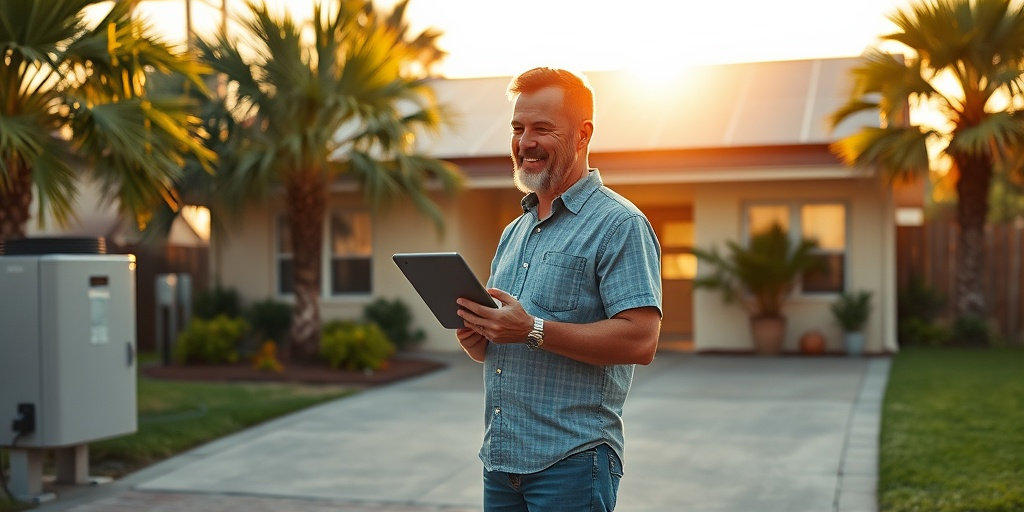
In the golden state of Florida, the sun shines brighter than almost anywhere else in the United States, transforming our roofs into potential powerhouses. Did you know that, according to the Solar Energy Industries Association, solar energy installations in the U.S. reached over 2.7 million as of 2023, with a significant portion coming from Florida? Or that by 2025, Florida is projected to be one of the top five states for solar capacity? It’s evident that more and more homeowners are seizing the opportunity to harness solar power to cut electric bills and increase their property’s value. However, understanding the solar panel lifespan is crucial when considering this investment. Welcome to our exploration, “Expert Insights: Understanding Solar Panel Lifespan for Florida Homeowners.” This insightful guide is designed to educate you on the factors influencing the longevity of solar panels, debunk common myths, and provide actionable steps for maximizing your investment as we step into 2025.
In a time where energy costs are projected to rise by over 15% in the coming years, and with various incentives becoming available for solar installation—such as the Federal Investment Tax Credit—it’s imperative for Florida homeowners to educate themselves on the true nature of solar panels and their durability. In this guide, we will unravel:
-
A Case Study: A Florida Family’s Solar Journey
-
Step-by-Step Checklist for Evaluating Solar Panel Lifespan
-
Myth-Busting Common Misconceptions About Solar Panels
-
Understanding Florida-Specific Factors Affecting Solar Efficiency
-
A Technical Deep-Dive into Solar Technologies and Best Practices
Let’s dive into our first section, where we elaborate on a real-life case study showcasing how a Florida family maximized their solar investment by understanding panel lifespan.
Case Study: A Florida Family’s Solar Journey
Meet the Sanchez family from Orlando, who took the leap into solar energy in early 2023. Frustrated with their escalating electric bills—averaging about $300 per month—they began researching alternative energy sources. Their decision to install solar panels was influenced not only by financial concerns but also a growing desire to contribute to environmental sustainability.
After thorough research, they opted for high-efficiency panels with a 25-year warranty and an estimated lifespan of 30 years or more (SolarReviews.com). Their decision-making process included several key steps:
- Researching Solar Options: The family gathered quotes from multiple solar companies, focusing on quality, warranty, and customer reviews.
- Understanding Lifespan vs. Warranty: They learned that although solar panels are designed to last for decades, their efficiency may decline gradually over time.
- Evaluating Installation Quality: The family prioritized hiring a reputable installation company, understanding that a quality installation could extend the lifespan of their system.
- Monitoring System Performance: After installation, they invested in monitoring technology to track energy production and spot any issues early.
Today, the Sanchez family not only pays an average of $75 on their electric bill but also contributes clean energy to their community. This transformation demonstrates the profound impact of understanding solar panel lifespan on making a wise investment.
As we see from the Sanchez family’s experience, the lifespan of solar panels significantly affects both the financial and environmental aspects of solar power use in Florida. It’s essential to realize that while the upfront cost may be steep, the long-term savings and environmental benefits justify the investment. With the right knowledge, homeowners can maximize these returns, ensuring their solar systems are efficient and reliable.
Step-by-Step Checklist for Evaluating Solar Panel Lifespan
Understanding how long solar panels last is crucial for evaluating the long-term savings and efficiency of your solar investment. Here’s a simple checklist to guide you through the evaluation process:
- Step 1: Assess Warranty Details: Review the warranty terms provided by manufacturers. Most panels come with warranties ranging from 25 to 30 years, ensuring their functionality over that time frame.
- Step 2: Understand Performance Guarantees: Look for performance guarantees that ensure your panels will produce a certain percentage of their rated capacity over time (e.g., 80% production after 25 years).
- Step 3: Investigate Installation Quality: The longevity of solar panels is greatly affected by the quality of installation. Ensure you hire a reputable company with experienced professionals.
- Step 4: Monitor and Maintain: Regularly inspect your solar system to identify issues before they affect performance. Use monitoring technology to keep track of energy production.
- Step 5: Check Local Climate Impact: Florida’s humid and stormy climate can affect solar panel performance. Research how weather conditions in your area might impact longevity.
By following these steps, Florida homeowners will be better equipped to choose solar options that maximize their investment and ensure they get the most value out of their systems. For further insights on local solar installation services, visit floridaelectricandsolar.com.
Myth-Busting Common Misconceptions About Solar Panels
As many step towards adopting solar energy, various myths continue to circulate, leading to confusion. Let’s clear the air surrounding some common misconceptions about solar panels—particularly regarding their lifespan and reliability.
- Myth #1: Solar Panels Only Work in Sunny Weather. While solar panels perform best in direct sunlight, they can still generate electricity on cloudy days. In fact, they don’t require full sun to operate efficiently.
- Myth #2: Solar Panels Require Excessive Maintenance. Many believe maintaining solar panels is burdensome. In reality, after initial installation, they require minimal maintenance—just occasional cleaning to remove debris and ensure maximum efficiency.
- Myth #3: Solar Panels Lose Effectiveness Too Quickly. Although solar panels do experience some degradation over time, most panels maintain about 80% efficiency even after 25 years, according to (NREL.gov).
- Myth #4: All Solar Panels Are the Same. Quality varies among brands; it’s essential to research manufacturers’ reputations, warranties, and performance guarantees to make an informed decision.
- Myth #5: You Can’t Install Solar Panels in Hurricane-Prone Areas. While Florida does experience hurricanes, modern solar panels are designed to withstand strong winds and adverse weather, with proper installation being the crucial factor.
Addressing these myths allows Florida homeowners to make more informed choices regarding solar energy investments. As we further explore how local conditions influence solar technology, let’s delve into specific factors that affect solar performance in the Sunshine State.
Understanding Florida-Specific Factors Affecting Solar Efficiency
Florida’s unique climate and policies play a critical role in the effectiveness and longevity of solar energy systems. It’s essential for homeowners in the state to be aware of factors such as humidity, storms, and regional incentives.
Here are vital Florida-specific factors affecting the efficiency of solar panels:
- Humidity: Florida is known for its high humidity levels, which can promote corrosion if panels are not made from quality materials. It’s vital to choose panels with good moisture resistance to enhance longevity.
- Hurricanes and Storms: Strong winds and heavy storms can pose challenges, but modern solar technology has advanced significantly to withstand such conditions. Look for panels rated for high wind loads and reliable installation practices.
- State Incentives: Florida offers various incentives, such as property tax exemptions on solar installations, which can relieve the initial financial burden. Understanding these incentives can encourage more homeowners to go solar.
- Sunshine Distribution: Florida enjoys ample sunshine, but daily weather patterns can affect solar output. Optimizing panel placement and tilt angles can help maximize energy production throughout the year.
By understanding these Florida-specific factors, homeowners can make more informed decisions regarding their solar investments, ensuring that they choose products designed to withstand local conditions. For more expert advice tailored to Florida’s solar landscape, visit floridaelectricandsolar.com.
A Technical Deep-Dive into Solar Technologies and Best Practices
Finally, it’s essential to delve into the technical aspects of solar technologies to help Florida homeowners make the best decisions for their energy future. The lifespan of solar panels, batteries, inverters, and installation quality all impact overall system performance.
Here’s a breakdown of critical technical components to consider:
- Solar Panel Types: Solar panels come in various types, including monocrystalline, polycrystalline, and thin-film technologies. Monocrystalline panels typically offer higher efficiency and lifespan but may come at a higher cost.
- Inverters: The inverter is a critical component that transforms the direct current (DC) generated by solar panels into alternating current (AC) needed for household appliances. Quality inverters should have warranties totaling 5 to 10 years.
- Batteries: For homeowners seeking energy independence, battery storage options allow you to store excess energy for use during non-sunny periods. Proper maintenance and timely replacement of batteries are essential to maximize their lifespan.
- Installation Quality: The success of your solar system is heavily dependent on the quality of the installation. Hiring experienced professionals ensures that your system is optimized for performance and longevity.
Choosing the right components is crucial for maximizing your system’s lifespan and performance. A study revealed that homeowners who conduct thorough research and priorities installation quality enable systems to last longer, providing significant energy savings over time (SEIA.org).
As we explore our final section, we will put forth an actionable plan for Florida solar buyers in 2025 to successfully navigate their solar journey.
Next Steps for Florida Solar Buyers in 2025
As a Florida homeowner, you may be curious about the practical next steps for embarking on your solar journey in 2025. Here’s a detailed action plan that outlines essential steps to navigate the process efficiently and effectively:
- Step 1: Audit Your Electric Bill: Understand your current energy consumption patterns. Analyze your previous bills to determine your average usage, aiding in system sizing later.
- Step 2: Research Local Solar Options: Investigate local solar providers, ensuring they have good reputations and transparent pricing. Yelp and Google Reviews can provide insights into customer satisfaction.
- Step 3: Schedule Consultations: Organize consultations with multiple professionals to evaluate options, benefits, and costs for your specific home.
- Step 4: Understand Financing Options: Review possible financing options—such as power purchase agreements (PPAs), loans, or upfront purchases—and evaluate which fits your budget best.
- Step 5: Stay Informed of Local Policies: Knowledge of local regulations, state incentives, and utility programs can significantly impact your decisions. Staying updated can yield financial benefits.
As you embark on your solar journey, ensuring you take these steps will position you for success and a sound investment in solar energy. Remember, understanding the solar panel lifespan and other related information will empower you throughout this process. For more personalized guidance and expert insights, visit floridaelectricandsolar.com.
In conclusion, understanding the nuances of the solar panel lifespan is not just about saving money, but it’s also about making a responsible energy choice for our planet’s future. The journey to solar energy is not just a financial decision—it’s a lifestyle change that can benefit not only individuals but also communities and future generations. The urgency is real: with rising energy costs, attractive incentives, and an emphasis on sustainability, the time to invest in solar power is now. Remember, the decisions you make today will impact your family and finances for years to come. Ready to start your solar journey in 2025? Connect with a certified expert at floridaelectricandsolar.com today.
Related Articles
More insights about Solar Panel

Florida Homeowners: Why Solar Panel Maintenance Is Essential

7 Essential Steps for Solar Panel Installation Success

Expert Insights: Key Factors Influencing Solar Panel Lifespan
Ready to Go Solar?
Have questions about solar energy? Our experts are here to help you make the switch to clean, renewable energy.