
Expert Insights on Solar ROI Breakdown for Florida Homeowners
Share:
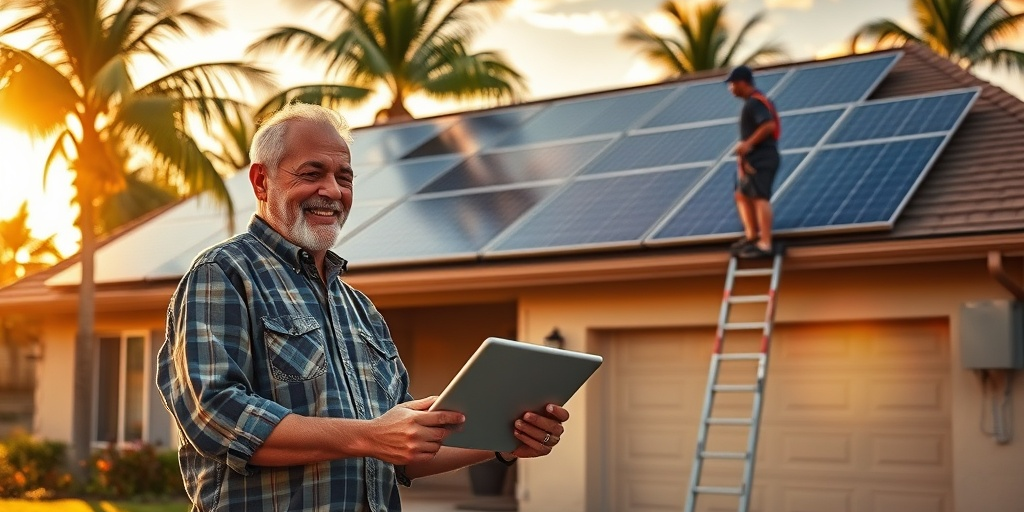
Did you know that Florida ranks third in the nation for solar power capacity? This booming energy source can help homeowners cut their electricity bills significantly, and in a state like Florida, the sunny weather is a powerful ally. Yet, ( as more Floridians are considering solar energy, many still find themselves asking: “Is it really worth it?” If you’re a Florida homeowner contemplating this shift towards solar energy in 2025, you’ve landed on the right page. In this article titled Expert Insights on Solar ROI Breakdown for Florida Homeowners, we dive deep into understanding the solar ROI (Return on Investment) breakdown, enabling you to maximize your investment and improve your utility bill savings today!
According to recent findings, Florida solar installations have more than tripled in the past five years, with more than 3 million homes and businesses generating solar energy (SEIA.org). With electricity rates expected to rise, the urgency for Floridians to invest in solar has never been more critical. As we step into 2025, important government incentives and favorable policy changes could further increase your financial benefits. So, how do you navigate this solar landscape effectively? In the following sections, we will explore:
- The Real-World Impact of Solar Additions
- A Comprehensive Solar Investment Checklist
- Dispelling Common Solar Myths
- Florida-Specific Incentives and Regulations
- Technical Insights Into Your Solar Setup
By the end of this guide, you’ll not only see the compelling benefits of going solar, but you’ll also have actionable steps to take. Now, let’s uncover the possibilities of solar energy for you!
The Real-World Impact of Solar Additions
Imagine the Smith family of Orlando. They were frustrated with monthly electric bills that seemed to rise every summer during peak air conditioning use. Determined to find a solution, they turned to solar energy as a potential answer. Based on their research, they could qualify for federal tax credits and local rebates that would dramatically reduce their initial investment costs.
After installing a solar system that cost approximately $25,000, the Smiths saw their monthly electric bill cut from $250 to just $40, saving them an impressive $210 each month. Within just four years, their savings completely offset their initial investment! Moreover, they received a 26% federal solar tax credit, further minimizing their overall costs (Energy.gov).
This real-life scenario demonstrates the considerable ROI of solar installations for homeowners in Florida. Besides just financial savings, homeowners can also increase their property value. According to Zillow, homes with solar systems sell for 4.1% more on average than those without (Zillow.com). In other words, the Smiths didn’t just invest in energy; they invested in their future.
Checklist: Steps to Ensure You Receive Maximum ROI from Solar
- Evaluate Energy Needs: Assess annual energy consumption via past bills to establish how much solar power you’ll require.
- Choose the Right Solar System: Based on your energy needs, find a solar provider who can install an efficient system suited to your property.
- Account for Incentives: Research and calculate federal, state, and local solar incentives to minimize upfront costs.
- Monitor Performance: Regularly check energy production from your solar panels to ensure optimal performance.
- Plan for the Future: Consider additional home improvements (like energy-efficient appliances) that can further reduce consumption.
With these steps in mind, homeowners like the Smiths are equipped to maximize their return on solar investments effectively. Stay tuned for the next section where we dispel widespread myths about solar energy.
Debunking Common Myths: The Truth About Solar Energy
When it comes to solar power, widespread misconceptions can deter potential adopters. Let’s tackle some of the most common myths that may be holding you back.
Myth #1: Solar Panels Are Too Expensive
Many believe that solar panels are beyond their financial reach. However, with the available tax credits, state incentives, and financing options, many find that it’s more affordable than feared. The upfront costs can potentially transform into long-term savings.
Myth #2: Solar Doesn’t Work During Bad Weather
While it’s true that solar panels are more efficient on sunny days, modern solar technology allows panels to generate energy even in cloudy or rainy conditions. Florida’s climate is still highly favorable for solar generation.
Myth #3: You Need to Have a South-Facing Roof
While southern-facing roofs yield the most energy, east and west-facing roofs can still be viable for solar. Today’s technology allows for various orientations to maximize energy production, meaning you shouldn’t be deterred based solely on roof direction.
Myth #4: Solar Panels Require Too Much Maintenance
Solar systems are generally low maintenance. Regular checks and occasional cleaning are sufficient to maintain efficiency. Most manufacturers even provide warranties for 25 years or more.
Myth #5: Solar Energy is Noisy
Solar panels operate silently. While inverters can create some noise, it’s minimal and not disruptive.
By debunking these myths, you can see that the barriers to going solar are not as daunting as they may seem at first glance. For Floridians, this knowledge is essential to moving towards a sustainable future. Up next, let’s focus on the localized approach and how specific Florida policies and incentives can benefit solar adopters.
Florida-Specific Incentives and Regulations
Florida has become increasingly solar-friendly, with both state policies and incentives encouraging homeowners to adopt solar energy solutions.
1. Florida’s Solar Energy Incentive Program: This program provides rebates for residential solar systems installed in the state, helping to offset your upfront installation costs.
2. The Federal Investment Tax Credit (ITC): Homeowners can reap a credit of 26% of the cost of their solar system when they file their taxes, a significant financial boost in ROI (SEIA.org).
3. Net Metering: Florida has net metering laws that allow solar energy system owners to receive credits for the excess energy their system produces. This can lead to significant savings on your electricity bill.
4. Property Tax Exemption: In Florida, solar energy systems are exempt from property taxes, meaning your tax burden won’t increase—even with the value added by your new solar installation.
5. Solar Access Rights: Florida law supports property owners’ right to install solar panels, preventing homeowners’ associations from outright banning or unreasonably restricting solar panel installations.
Each of these incentives can be a game changer for Florida homeowners considering solar energy as a way to cut long-term electricity costs. By leveraging these available resources, homeowners can stretch their investments further. The next section will provide insight into technical elements involved in choosing and installing solar energy systems.
Expert Solar Installation Insights for 2025
As you plan your solar installation, there are some key best practices to consider to ensure you’re set up for success and maximum ROI.
1. Choose Reliable Equipment: Invest in high-quality solar panels, inverters, and batteries by reputable manufacturers to minimize your risk of early system failure.
2. Optimize Panel Placement: Proper positioning can maximize sunlight exposure. Work with your installer to determine ideal angles and placements on your roof.
3. Incorporate Storage Solutions: Adding battery storage provides backup power during outages and stores excess energy generated throughout the day.
4. Regular Maintenance Checks: Schedule annual check-ups to ensure everything is functioning correctly. This proactive step extends the lifespan of your investment.
5. Work with Certified Installers: Partnering with a certified installer ensures compliance with all local regulations and industry standards, ultimately enhancing your system’s performance.
Incorporating these expert tips will not only enhance your solar system’s performance but also enhance your peace of mind knowing you’re making informed decisions.
Next Steps for Florida Solar Buyers in 2025
Are you ready to pursue solar energy for your home? Here’s a step-by-step checklist to guide you:
- Step 1: Audit Your Electric Bill: Understanding your typical energy consumption levels helps you calculate potential savings with solar.
- Step 2: Research Financing Options: Look at local, state, and federal incentives, and consider options like loans or leasing.
- Step 3: Choose a Qualified Installer: Seek recommendations and check credentials. It’s vital to select a reputable company with good reviews.
- Step 4: Get Multiple Quotes: Make side-by-side comparisons of the proposals you receive, ensuring you understand all aspects of your solar system.
- Step 5: Schedule Your Installation: Once you’ve chosen a provider, finalize the installation date. Ensure proper permits are obtained and maintained.
Taking these actionable steps will reduce friction as you embark on your solar journey. As you can see, moving to solar in 2025 could be equally fulfilling from a financial perspective as well as environmentally friendly. Be sure to connect with an authorized expert today to clarify any lingering questions you may have as you move forward.
Conclusion: Charting Your Path to Solar Savings
As we conclude this extensive exploration of the solar ROI breakdown for Florida homeowners, it’s clear the evidence strongly supports the decision to invest in solar power. From dramatic cost savings on electricity bills to promoting clean energy for the future, the benefits are substantial. To recap, the versatility of solar technology, the abundance of state and federal incentives, and the plethora of financing options available make 2025 a prime time for Florida homeowners to invest in solar energy. Don’t take the plunge alone; reach out to experts in the field to help you along this path.
Ready to start your solar journey in 2025? Connect with a certified expert at floridaelectricandsolar.com today.
Related Articles
More insights about Solar ROI

Expert Insight: Understanding Solar ROI Breakdown for Florida Homeowners

Beginner’s Guide to Solar ROI Breakdown for Your Home

Expert Insight on Solar ROI Breakdown for Florida Homeowners
Ready to Go Solar?
Have questions about solar energy? Our experts are here to help you make the switch to clean, renewable energy.