
Expert Insights on Choosing the Right Inverter for Solar Installations
Share:
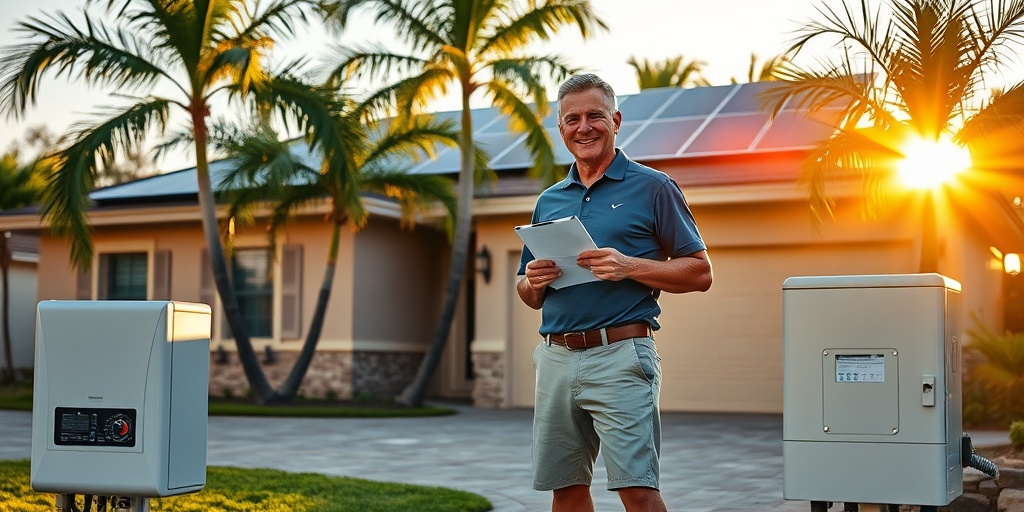
“`html
Did you know that nearly 80% of homeowners in Florida are considering solar power as a means to combat surging electricity costs and environmental concerns? The solar industry is experiencing explosive growth, and as Florida homeowners look to invest in renewable energy solutions, one critical component they must understand is the inverter. In this comprehensive guide, titled Expert Insights on Choosing the Right Inverter for Solar Installations, we’ll delve into the essential aspects of solar inverters and how they can significantly influence the performance of your solar power system. In fact, according to the Solar Energy Industries Association, solar has now become the leading source of new electricity generation in the U.S. (SEIA.org). As we approach 2025, the importance of selecting the right inverter has never been more urgent for making the most of your investment, especially with new incentives and changing local energy dynamics. This article will take you through a range of topics, including a deep dive into different inverter types and features, a detailed checklist for selecting inverters, myth-busting common misconceptions, a local focus on Florida-specific solar resources, and an intricate look at the technology behind inverters. By the end, you’ll have all the tools and insights needed to make informed decisions for your solar journey.
The Crucial Role of Inverters in Solar Power Systems
Imagine flipping a switch and illuminating your home with energy collected directly from the sun. This magic is made possible largely due to the solar inverter you choose. Inverters act as the heart of your solar energy system, converting the direct current (DC) generated by solar panels into alternating current (AC) that can be used by your home or business. However, the choices available can be overwhelming. Let’s break it down.
Case Study: Meet the Johnsons, a typical family living in Orlando. After installing a solar system with a state-of-the-art inverter, they noticed their energy bills dropped by 75%. The right inverter allowed them to optimize their solar energy use, ensuring they harnessed every ray of sunshine. By selecting a high-efficiency inverter, they not only saved substantially on energy costs but also increased the overall longevity of their solar panels.
- Efficiency Rating: Choose an inverter with a high efficiency rating, as it directly impacts energy production. Look for ratings above 95%.
- Compatibility with Solar Panels: Ensure the inverter you select is compatible with the solar panels. Mismatched systems can lead to inefficiencies.
- Type of Inverter: Decide between string inverters, microinverters, or power optimizers based on your specific needs and installation layout.
- Monitoring Capability: Opt for inverters with monitoring features to track performance, enabling you to address any issues promptly.
- Warranty & Customer Support: Invest in an inverter with a long warranty and reliable customer support to safeguard your investment.
Myth #1: “All solar inverters are the same.” This couldn’t be further from the truth. The right inverter can drastically affect your system’s efficiency and performance (Energy.gov). Different technologies exist for different needs, so do your homework.
Myth #2: “Investing in a cheaper inverter saves money.” Cheaper inverters might lead to shortsighted savings but can hinder long-term performance and durability. A high-quality inverter can easily last over 10 years.
Myth #3: “More components mean more problems.” While it’s true that complexity can introduce issues, the advancements in inverter technology have led to reliable systems capable of maximizing efficiency.
In Florida, according to a 2023 study, the average efficiency for solar panels in the state is estimated at 18.3%, making the role of the inverter crucial to achieving optimal energy production (SolarReviews.com). If the inverter fails to convert the DC energy efficiently, you’re essentially throwing money away every time the sun shines.
Transitioning from traditional to solar energy necessitates understanding how these systems integrate, and selecting the right inverter is a critical part of that equation. Each choice you make will determine not only your immediate energy savings but also the longevity and reliability of your overall solar investment.
Checklist for Selecting the Perfect Solar Inverter
When you’re ready to dive into the selection process, consider this comprehensive checklist to guide you through the decision-making process in choosing the right inverter.
- Step 1: Assess Your Energy Needs – Examine your most recent electricity bills to determine your average consumption. This information is vital for sizing your solar system and selecting a suitable inverter.
- Step 2: Understand the Inverter Types – Familiarize yourself with available inverter technologies: string inverters are cost-effective for simpler installations, while microinverters and power optimizers offer advantages for complex rooftops or shaded areas.
- Step 3: Research Brand Reputation – Investigate various manufacturers and their products. Look for companies with a long-standing history and positive customer reviews to ensure reliability.
- Step 4: Evaluate Local Climate and Installation Conditions – Florida’s unique weather conditions can impact inverter performance. Consider humidity, heat, and potential shading issues from nearby structures.
- Step 5: Seek Professional Consultation – Engage with certified solar installers to get tailored insights about inverter options that best suit your specific situation. Local experts can assess your system and provide invaluable recommendations.
Each step is crucial in ensuring that the inverter you select maximizes efficiency and saves you the most money in your solar journey. By focusing on these criteria, you’ll make an informed choice that aligns with your energy goals.
Dispelling Common Myths About Solar Inverters
Let’s clarify a few pervasive misconceptions surrounding solar inverters that can lead potential solar buyers astray. Understanding facts versus myths is vital for making empowered decisions in your renewable energy journey.
Myth #1: Solar Panels Generate Power Even at Night – While this might seem like common sense, the generation of solar power does not occur in darkness. Solar inverters are present to convert only the sun-generated energy into usable electricity.
Myth #2: Inverters Are Only Necessary for Grid-Tied Systems – Even stand-alone systems require inverters to convert power for electrical use. Just because you’re off-grid doesn’t mean you can skip this vital component.
Myth #3: All Inverters Are Complicated – Modern inverters come with user-friendly interfaces and monitoring options, making them easy to operate. Many also feature smartphone applications for enhanced tracking.
Having clear facts helps significantly when evaluating which inverter suits your solar system best. By clarifying these myths, potential buyers can avoid common pitfalls and become educated solar consumers.
In Florida, where solar installation has soared over the past decade, understanding the myriad of options—from battery storage possibilities to the inverter intricacies—ensures homeowners capitalize on their investment and energy independence.
5 Expert Solar Installation Tips for 2025
As Florida transitions into an era increasingly reliant on solar energy, it’s important to incorporate effective installation strategies into your plan. The following tips will guide you through optimizing your solar installation in 2025.
Tip #1: Maximize Roof Exposure – Position your solar panels where they can capture the most sunlight. Any shading from trees or nearby buildings can drastically reduce energy output.
Tip #2: Consider Smart Inverters – These advanced inverters allow for real-time system performance tracking and optimization, ensuring you get the best efficiency from your panels.
Tip #3: Maintain Your System Regularly – Schedule periodic inspections and cleaning of your solar panels and inverters. Regular maintenance helps identify issues early and maintains system efficiency.
Tip #4: Utilize Battery Storage Solutions – With advancements in battery technology, integrating storage into your solar system allows you to harness solar energy even when the sun isn’t shining.
Tip #5: Stay Informed About Incentives – Federal and state incentives for solar investments can change. Keep in touch with local programs and tax credits that may provide financial benefits for your installation.
By incorporating these practical tips and strategies, Florida homeowners can enhance their solar setup and maximize savings while contributing to a more sustainable energy future.
The Journey of a Solar-Driven Homeowner in Florida
Let’s take a moment to envision the journey of Lisa, a fictional Florida homeowner who decided to transition to solar energy in 2025. After facing a steep rise in utility costs and environmental concerns, she decided to go solar. Lisa started by researching options online and eventually connected with local solar experts.
- Initial Research – Lisa learned about different types of inverters and the roles they played in solar technology.
- Engaging with Professionals – After consultations, she explored various inverter brands, opting for a reliable choice with robust monitoring features.
- Installation Day – The installation of her solar system became an exciting day as a crew of professionals worked on her roof, intricately placing panels and connecting the inverter.
- Ongoing Savings – As months passed, Lisa witnessed her electricity bills drop considerably, leading to a savings of over $1,000 annually.
- Community Sharing – Motivated by her success, Lisa shared her experience with friends and family, promoting the benefits of solar energy in her community.
Through Lisa’s story, you can see how informed choices and community engagement can lead to substantial benefits. By being proactive about solar technology, homeowners can significantly improve their quality of life while contributing to environmental solutions.
Next Steps for Florida Solar Buyers in 2025
As we wrap up this extensive exploration into solar inverters, let’s outline some actionable steps to guide your solar journey:
- Step 1: Audit Your Electric Bill – Identify your usage patterns to size your solar system effectively.
- Step 2: Consult Local Experts – Work with reputable solar companies like floridaelectricandsolar.com to understand the best inverter options for your unique situation.
- Step 3: Evaluate Potential Savings – Use available online calculators to estimate potential savings from solar energy.
- Step 4: Understand Financial Options – Investigate loans, leases, and solar power purchase agreements to finance your installation.
- Step 5: Make the Decision – With all findings in hand, proceed to choose your installation plan and inverter options wisely.
By taking these steps, you’re equipping yourself with essential knowledge to make a confident decision that aligns with your energy goals and lifestyle. The journey to solar begins with informed steps and bold moves toward energy independence.
As you’ve discovered throughout this comprehensive guide, choosing the right inverter is crucial to ensuring your solar panels perform at their best. Remember, the decisions you make today can lead to remarkable savings for your family while contributing to a cleaner, sustainable future.
Ready to start your solar journey in 2025? Connect with a certified expert at floridaelectricandsolar.com today.
“`
Related Articles
More insights about Inverter

5 Critical Steps for Choosing the Right Inverter

7 Essential Tips for Choosing the Right Inverter

Technical Deep-Dive: Choosing the Right Inverter for Your Solar System
Ready to Go Solar?
Have questions about solar energy? Our experts are here to help you make the switch to clean, renewable energy.