
Expert Insights on Solar Panel Lifespan for Florida Homeowners
Share:
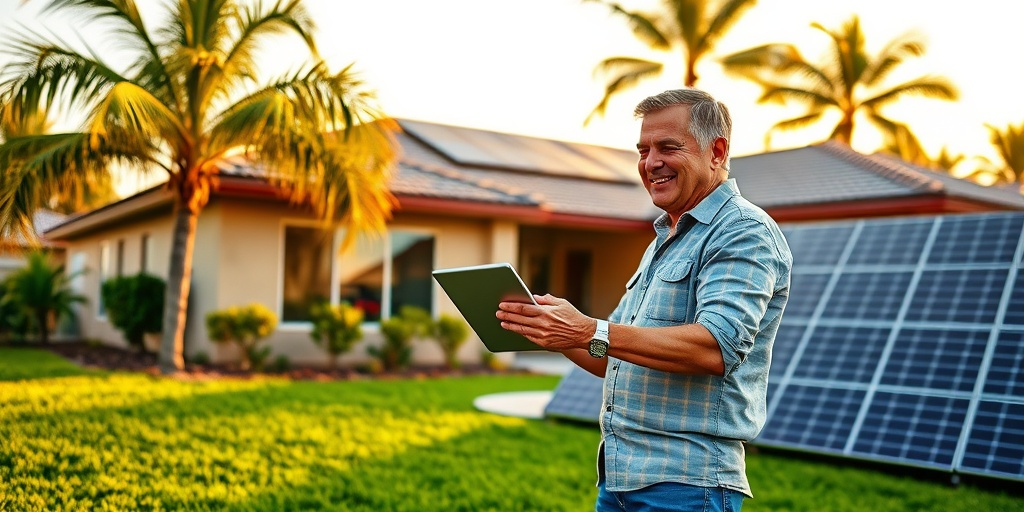
Did you know that solar panels can last anywhere from 25 to 30 years, with many systems performing efficiently long beyond that? This surprising statistic is just one of the many insights you’ll gain as we dive into the topic of solar panel lifespan for Florida homeowners. Understanding solar panel durability not only helps you make informed decisions about your potential energy source but also saves you money in the long run. In 2025, as energy prices continue to rise and new incentives for solar installation emerge, it’s crucial for Floridians to grasp how to maximize the longevity of their solar investments.
In this blog post titled “Expert Insights on Solar Panel Lifespan for Florida Homeowners,” we will explore the intricacies of solar panel durability, debunk common myths, and provide actionable steps to ensure you get the most out of your solar installation. Did you know that Florida ranks second in the nation for solar capacity, with over 5,000 MW installed as of 2022? That’s a significant number of homes and businesses benefiting from solar power! (SolarEnergy.org).
Why is this topic vital right now? The reality is, as climate change intensifies and government regulations evolve, energy sustainability is more than a trend; it’s a necessity. In this guide, you will find an extensive overview covering:
1. An in-depth look at solar panel technology and lifespan.
2. A checklist to maximize your solar system’s durability.
3. A myth-busting segment to separate fact from fiction about solar energy.
4. Florida-specific statistics and policies affecting solar power implementation.
5. Technical insights for optimal system setup, maintenance, and efficiency.
So, whether you’re considering the switch to solar energy or already have panels installed, this article will equip you with the knowledge needed to make the best decisions for your energy future.
The Lifespan of Solar Panels: What Every Florida Homeowner Should Know
When it comes to solar panels, understanding their lifespan is a critical factor affecting your investment. With new technology constantly emerging, many Florida homeowners may wonder: How long can I expect my solar panels to last, and what can I do to extend that lifespan?
Take the story of Doug and Lisa, a couple living in Cape Coral. After installing a 10kW solar system in 2020, they were elated to see their electric bills drop significantly. However, they were also concerned about the perceived fragility of solar panels. Their installer reassured them that modern panels are designed to last over 25 years—most manufacturers even offer 25-year warranties. After researching, they learned that proper installation and maintenance are crucial in maximizing lifespan.
Here’s a simple checklist for ensuring that your solar panels can last as long as possible:
- Choose high-quality panels: Brands like LG and SunPower are known for their reliability.
- Proper installation: Ensure that a certified solar installer sets up your system.
- Regular inspections: Schedule annual check-ups to catch issues before they escalate.
- Maintain surroundings: Keep vegetation from overshadowing panels, reducing efficiency.
- Monitor performance: Use monitoring tools to track energy production and identify drops.
Despite some common beliefs, solar panels are built to withstand the elements. Myth #1: “Solar panels can’t handle Florida’s hurricane winds.” In reality, most solar panels are tested to meet the International Organization for Standardization (ISO) wind certification, making them suitable for high-wind areas (PV Magazine).
Let’s break down some local statistics that highlight the importance of solar energy in Florida. The state has over 1.5 million solar systems installed, significantly contributing to the reduction of carbon emissions. Additionally, studies indicate that residential solar can add significant value to homes—up to $15,000 according to the National Renewable Energy Laboratory (NREL.gov).
Now that we have a clearer understanding of solar panel technology and longevity, let’s explore specific steps you can take to ensure your solar system operates efficiently for years to come.
Checklist for Maximizing the Lifespan of Your Solar System
Want to ensure your solar panels withstand the test of time? Here is a detailed checklist to help you efficiently care for and manage your solar energy investment:
- Step 1: Conduct an electric usage audit. Understand your energy consumption patterns and discuss them with your solar provider during the installation process.
- Step 2: Invest in monitoring systems. Many modern solar setups include performance monitoring features that can alert you to issues like drop in energy production.
- Step 3: Prioritize regular maintenance. Schedule annual inspections and maintenance visits for your solar panels to ensure they are functioning optimally.
- Step 4: Clean your solar panels. Dirt, dust, and bird droppings can accumulate on panels, reducing efficiency. Aim for bi-annual cleanings, especially in dryer months.
- Step 5: Stay informed about local rebate programs. Florida offers various incentives that can help offset initial costs and make investing in solar even more worthwhile. Learn more at floridaelectricandsolar.com.
These steps are essential for ensuring that your solar panels maintain their efficiency and longevity. Many homeowners overlook simple tasks like cleaning and monitoring, leading to unnecessary drops in energy production. Remember, the lifespan of your solar system is significantly impacted by your maintenance routine.
Now that we’ve covered how to maintain your system effectively, let’s tackle some of the most common myths surrounding solar energy—myths that could prevent potential buyers from making the leap to renewable energy.
Myths About Solar Panel Lifespan Debunked
As the solar market continues to grow, several misconceptions linger, potentially deterring homeowners from adopting this clean energy source. Here, we clear the air with facts that put these myths to rest.
Myth #1: “Solar panels only last 10 years.”
In fact, the average lifespan of a solar panel is between 25 to 30 years. Most manufacturers provide warranties that cover performance for at least 25 years (EnergySage.com).
Myth #2: “Florida’s humid climate will ruin my panels.”
On the contrary, solar panels are designed to withstand various environmental conditions, including humidity. They are equipped with protective coatings to help prevent moisture damage.
Myth #3: “You can’t replace solar panels once they’re installed.”
It is possible to swap out older panels or upgrade to more efficient models as technology advances. Regular maintenance can prolong the life of your panels, making replacements less frequent.
Myth #4: “Solar panels are too heavy for my roof.”
Modern solar technologies are manufactured with lightweight materials. This means they can usually be installed on most residential rooftops without any risk of structural damage.
Myth #5: “If I choose solar, I’ll be grid-dependent forever.”
Homeowners can opt for hybrid systems that allow for both battery storage and grid connection, giving them the flexibility to manage their energy use optimally.
Understanding the facts behind these common myths helps you make smart decisions and feel confident in your solar investment. Now that we’ve busted these misconceptions, let’s take a closer look at Florida’s unique policies surrounding solar power and how they can affect your solar experience.
Florida-Specific Policies Impacting Solar Energy
The landscape for solar energy in Florida is increasingly favorable, making it an excellent time for property owners to consider making the switch. Here are some impactful policies and statistics that every homeowner should be aware of:
- Net Metering: Florida allows residents to participate in net metering, meaning you can sell excess energy back to the grid, potentially lowering your electricity bills even further.
- Property Tax Exemption: To encourage solar installations, Florida offers a property tax exemption for solar energy systems, which means your home’s value will not increase due to the addition of solar panels.
- Sales Tax Exemption: Homeowners can also benefit from a sales tax exemption on the purchase of solar equipment, reducing overall installation costs significantly.
- Incentives for Low-Income Residents: The state provides programs that facilitate solar access for low to moderate-income households, making it more equitable for all Floridians.
Given the opportunities and incentives available, Florida is one of the leading states for solar energy adoption. As we prepare to explore best practices for installation and ensure that your system lasts as long as possible, consider how policy frameworks in our state can support you.
The next section will focus on practical installation insights that can further enhance your solar experience.
5 Expert Solar Installation Tips for 2025
Transitioning to renewable energy is a journey that requires careful planning and execution. As you consider making the switch, keep in mind these expert tips that can significantly affect the installation and longevity of your solar system:
Tip #1: Don’t skimp on panel placement. Choose a roof area with maximum sun exposure throughout the day. This ensures optimal energy capture.
Tip #2: Utilize tracking systems. If feasible, install solar trackers that allow panels to move with the sun, enhancing energy production.
Tip #3: Consider battery storage. By integrating battery systems, you can utilize solar energy even when the sun is not shining, providing energy independence.
Tip #4: Hire a reputable installer. Look for experienced solar installers who have positive reviews and are certified by the North American Board of Certified Energy Practitioners (NABCEP).
Tip #5: Review warranties carefully. Ensure you understand the warranties provided for both panels and inverters. Make sure they align with your expectations for service and durability.
Adhering to these practices will not only streamline your solar installation process but also lay the groundwork for a successful transition to solar energy.
Finally, it’s time to create an actionable plan for you as a Florida homeowner looking to invest in solar energy. In our concluding section, we’ll walk you through those next steps, empowering you to take the leap.
Next Steps for Florida Solar Buyers in 2025
As we wrap up this comprehensive exploration of solar panel lifespan, let’s outline how you can navigate the exciting journey into solar energy effectively. Follow these actionable steps to simplify your transition:
- Step 1: Audit Your Electric Bill: Review your electricity usage for at least the past 12 months to determine the size of the system you’ll need.
- Step 2: Research and Choose Installers: Investigate local solar providers, read reviews, and compare quotes carefully, keeping an eye on service quality and warranties offered.
- Step 3: Explore Financing Options: Look into credit options, loans, and available incentives to make your solar investment more manageable.
- Step 4: Schedule a Consultation: Meet with chosen installers to discuss your needs, preferences, and any concerns, allowing them to provide tailored recommendations.
- Step 5: Finalize Your Purchase: Once you’re satisfied with the analysis and options provided, it’s time to sign the agreement and start the installation process!
Embracing solar energy is not just about cutting your electric bills; it’s an investment in a sustainable future for your family and the environment. Ready to start your solar journey in 2025? Connect with a certified expert at floridaelectricandsolar.com today!
In conclusion, understanding the lifespan of solar panels and the various factors that can extend that lifespan is essential for Florida homeowners in 2025 and beyond. By choosing the right equipment, ensuring proper maintenance, and leveraging state policies and incentives, you can transform your home into an efficient, eco-friendly powerhouse. Take the step toward energy independence, lower your carbon footprint, and invest in your family’s future by embracing solar energy today!
Related Articles
More insights about Solar Panel

Florida Homeowners: Why Solar Panel Maintenance Is Essential

7 Essential Steps for Solar Panel Installation Success

Expert Insights: Key Factors Influencing Solar Panel Lifespan
Ready to Go Solar?
Have questions about solar energy? Our experts are here to help you make the switch to clean, renewable energy.