
How One Florida Family Achieved Energy Independence with Solar Panels
Share:
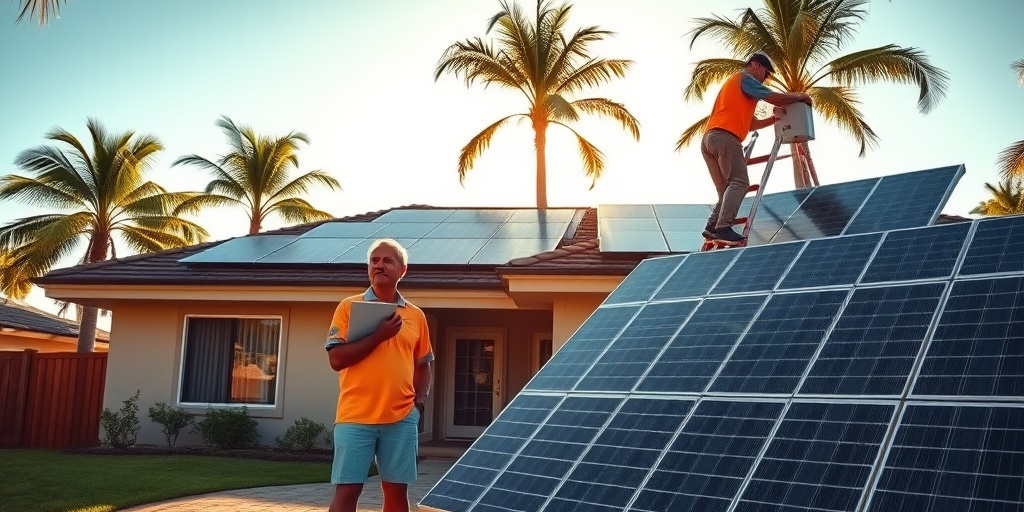
In 2025, many families across Florida are facing the harsh reality of rising energy costs. A staggering statistic shows that electric rates in Florida have increased more than 20% over the past decade, far outpacing inflation (Energy.gov). Amid this crisis, one Florida family made a bold decision that would not only cut their electric bill but also grant them something invaluable: energy independence. The story of how one family achieved energy independence with solar panels is not just an inspiring tale—it’s a roadmap for homeowners looking to transform their energy usage and costs. Throughout this blog post titled, How One Florida Family Achieved Energy Independence with Solar Panels, we will explore the family’s journey, understand the implications of solar energy in our current climate, and share actionable steps for you to take as a Florida homeowner desperate to keep future energy costs at bay. With the introduction of new solar incentives and the growing unpredictability of power grids, now is the perfect time to consider solar energy. Over the course of this article, we will dive into the family’s case study, provide essential checklists for solar installation, bust common myths surrounding solar power, analyze Florida-specific statistics and policies, and give a technical deep-dive about what’s involved in a solar system installation.
Solar Independence: The Family’s Inspiring Case Study
Meet the Johnsons, an ordinary family from Orlando, Florida, whose life changed dramatically after they decided to invest in solar panels. Like many, they had concerns about rising energy costs and the environmental impact of their electricity consumption. They were spending an average of $250 a month on electricity, a number that seemed to grow every summer. In 2025, those costs could climb even higher, placing additional strain on their income and budget. So, in mid-2023, they took the plunge and contacted a reputable local solar provider, floridaelectricandsolar.com, to explore their options.
The initial assessment indicated that their home could accommodate a 10-kilowatt (kW) solar panel system. The family learned that with the Federal Solar Tax Credit, they could reduce their installation costs by 30%. By investing in solar energy, they were not just aiming to cut costs—they were looking to become self-sufficient, insulated against the volatility of electricity prices. What followed was a positive experience that led them towards full energy independence.
- Step 1: They detailed their energy usage by reviewing their electric bill and discovering their peak usage times.
- Step 2: The family choose quality solar panels based on durability, efficiency ratings, and the local Florida weather.
- Step 3: They selected a reliable installation company that had experience with Florida’s solar energy regulations.
- Step 4: The Johnsons financed their system using a power purchase agreement (PPA), allowing them to acquire solar power with no upfront costs.
- Step 5: Once the installation was complete, they monitored their energy production using smartphones, celebrating how much they saved each month.
As their system began to produce energy, the Johnsons quickly saw the benefits. Initially, they were skeptical about how much energy they could actually generate, but within the first few months, their electricity bills dropped to nearly $30 a month—all while receiving credits for excess energy fed back into the grid (SEIA.org). By the end of the year, they were not just breaking even; they were thriving. With the average solar installation allowing homeowners to save approximately $20,000 over the span of 20 years in Florida (SolarReviews.com), this now became a significant financial benefit to their household.
They’re not alone. According to recent reports, Florida stands to add over 28,000 jobs in the solar sector by 2025, and with incentives ranging from state tax exemptions to local utility rebates, the government is actively supporting the transition to clean energy. The Johnsons have effectively transformed their home into a clean energy hub, shifting from dependency on fossil fuels to harnessing the sun’s renewable energy—marking a step towards a sustainable future. As they look ahead, they are excited about their newfound independence and financial stability, knowing they are setting an example for neighbors and friends.
Essential Steps for Florida Homeowners Going Solar
If the Johnsons’ story resonates with you, it’s time to examine your own energy situation. Below are essential steps (with explanations) every Florida homeowner should undertake before transitioning to solar energy in 2025.
- Step 1: Audit Your Electric Bill
Understanding how much you consume is crucial. Review your electric bill and identify your peak energy usage timeframes. - Step 2: Evaluate Roof Condition
Ensure your roof is in good shape and can support solar panels. If necessary, make repairs or consider roof replacement prior to installation. - Step 3: Research Solar Providers
Seek local companies that specialize in solar energy. Look at ratings on platforms like SolarReviews.com to gauge consumer satisfaction. - Step 4: Compare Solar Technologies
Analyze different solar technologies available such as monocrystalline, polycrystalline, or thin-film panels, which cater to various budget and aesthetic preferences. - Step 5: Understand Financing Options
Explore financing methods, including cash purchases, solar loans, or PPAs to determine what works best for your budget.
With these steps, a comprehensive understanding of your energy consumption and condition of your property lays the framework for a successful solar journey. Utilizing resources such as floridaelectricandsolar.com can provide valuable assistance in comparing local providers and understanding how to efficiently maximize your savings through solar adoption.
Debunking Common Myths About Solar Energy in Florida
While the Johnsons’ story showcases the numerous benefits of adopting solar energy, there are persistent myths causing skepticism among Florida homeowners. Let’s debunk some common misconceptions surrounding solar power.
- Myth #1: Solar Panels Only Work on Sunny Days
It’s a common belief that solar panels don’t function without direct sunlight. In reality, solar technology can harness energy on cloudy days, and it operates efficiently even in low light (NREL.gov). - Myth #2: Solar Panels Will Damage Your Roof
Many homeowners fear that installing panels will impact the longevity of their roofs. However, a professional installation can actually protect your roof by providing an additional layer. - Myth #3: Solar Energy Is Too Expensive
While there is an upfront cost, the federal tax credit of 30% along with local incentives greatly reduce barriers, making it significantly cheaper than many homeowners expect (SEIA.org). - Myth #4: Solar Energy Isn’t Efficient in Florida
Florida is one of the best states for solar energy due to its high sun exposure and favorable climate conditions for photovoltaic systems. - Myth #5: You Can’t Sell Your Home With Solar Panels
Not only can you sell your home with solar panels, but homes equipped with solar technology often sell faster and at higher prices (SolarReviews.com).
By debunking these myths, it empowers Florida homeowners to feel more informed and less overwhelmed regarding their solar journey. Armed with accurate information, they can make educated decisions that could set them up for lasting financial benefits.
Best Practices for Solar Installation in 2025
As more Florida homeowners turn toward solar energy, it’s essential to adopt best practices to ensure a seamless and efficient installation experience. Here are five expert tips to consider before embarking on your solar journey:
- Do Not Skimp on Panel Quality
Invest in high-quality panels that have solid warranties and performance ratings. This ensures longer-lasting efficiency and reliability. - Optimal Panel Placement
Work with your installer to identify the best orientation and tilt for your panels to maximize energy production based on your roof’s location. - Monitor Energy Production
Once your panels are installed, utilize monitoring tools to track your energy output and detect any performance issues promptly. - Understand Your Utility’s Net Metering Policy
Familiarize yourself with your local utility’s net metering policy. This will help you understand how you receive credit for excess energy your system generates. - Don’t Ignore Maintenance
While solar panels require minimal maintenance, keeping them clean and clear from debris, especially after storms, can improve their longevity and performance.
Implementing these best practices can save homeowners future headaches and provide the peace of mind needed to enjoy the benefits of solar energy. For guidance in selecting quality equipment and reliable contractors, connect with floridaelectricandsolar.com for expert advice.
Understanding Your Next Steps in Your Solar Journey
Now that you’re familiar with the steps, myths, and best practices surrounding solar energy in Florida, it’s time to look at the actionable plan you can follow to help streamline your solar journey and avoid common pitfalls.
- Step 1: Review Your Electric Bill
Begin by understanding your consumption patterns and how much you’re spending on electricity monthly. - Step 2: Research Local Regulations
Educate yourself about Florida’s renewable energy policies and how they affect your home’s eligibility for solar incentives. - Step 3: Set Your Budget
Determine what you can afford to spend, including possible financing options, to make informed choices during your solar investment. - Step 4: Consult with Solar Professionals
Engage with certified solar professionals who understand Florida’s unique market to ensure you’re making wise choices. - Step 5: Start Your Installation Process
Once armed with proper research and a budget, you can begin approaching home installations with confidence.
By diligently following these steps, Florida homeowners can effectively navigate the complexities of solar energy adoption, ensuring they are informed and ready as they embark on their solar journey. The rewards can be life-changing, offering both financial benefits and energy independence.
Conclusion: Embrace Solar Energy for a Sustainable Future
The Johnsons’ journey demonstrates that transitioning to solar energy not only provides financial savings but also cultivates energy independence, leading to a more sustainable future. In an era of rising energy costs and climate concerns, adopting solar energy is more than a financial decision; it is a commitment to family and future generations. As you reflect on your own relationship with energy consumption, remember: every small step taken now sets the stage for a brighter tomorrow. Don’t let the fear of the unknown hold you back from exploring the tremendous benefits of solar.
Ready to start your solar journey in 2025? Connect with a certified expert at floridaelectricandsolar.com today.
Related Articles
More insights about Solar Panels

How Long Do Solar Panels Last in Florida? What to Expect From Your System

Flat Roof Solar Mounting in Florida: A Complete Installation Guide

Myth: Solar Panels Don’t Increase Home Value in Florida
Ready to Go Solar?
Have questions about solar energy? Our experts are here to help you make the switch to clean, renewable energy.