
How One Florida Family Gained Energy Independence with Solar Solutions
Share:
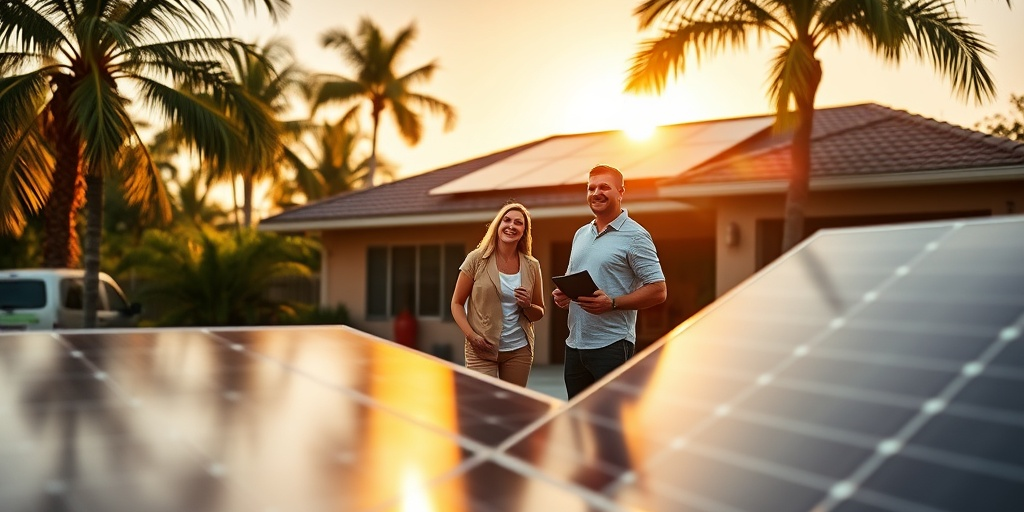
In the Sunshine State, where the sun generously pours its light across homes and businesses, a staggering 60% of Florida’s electricity comes from natural gas. Today, this dependency raises a compelling question: What if you could harness the sun’s power to become energy independent? Meet the Johnson family from Naples, a shining example of how one Florida family gained energy independence with solar solutions. With the incredible benefits of solar battery storage, they are not just cutting down on their bills; they are crafting a sustainable future.
As we approach 2025, understanding the necessity for solar energy becomes critical. Rising energy costs, coupled with grid instability and changing tax incentives, make now the perfect time to consider transitioning to solar power. Recent studies show that the average Floridian family spends over $3,000 annually on electricity, with rates expected to rise by another 10% within the next five years (Energy.gov). In this context, it’s not just about comfort; it’s about survival and sustainability. This blog will delve into the Johnson family’s journey, exploring their decision-making process, the technology they adopted, and the lessons they learned.
In this article, we will cover:
- The Johnsons’ emotional and financial journey toward solar energy.
- Step-by-step guidance for homeowners looking to make the switch.
- Common myths about solar energy and their truths.
- Florida-specific considerations for prospective solar buyers.
- A detailed technical exploration of solar systems and their benefits.
Let’s join the Johnson family on their inspiring path to energy independence.
Case Study: The Johnson Family’s Solar Journey
The Johnson family—the parents, Mark and Sarah, and their two children—had always been conscious of their environmental impact. However, living in a traditional, energy-dependent home meant they were part of a system that they felt was becoming increasingly unsustainable. The tipping point came when they received an unexpected electricity bill exceeding $400 one hot summer month. Mark stated, “Seeing that number hit home. We had to find a solution.”
After initial research, they discovered the immense benefits of solar energy, particularly in sunny Florida, where they could potentially save thousands on energy costs. They contacted Florida Electric & Solar, who guided them through a comprehensive analysis of their energy consumption and the potential advantages of solar battery storage. This particular technology appealed to the Johnsons for its ability to store energy generated during the day for use once the sun set, an essential profit-maximizing feature.
Upon installation, the Johnsons opted for a 10kW solar panel system paired with a Tesla Powerwall. This system enables them to store energy for evening use and offers peace of mind in the event of grid outages, a growing concern in today’s climate. Their final installation took mere days, and the results were immediate; their energy costs plummeted by over 70% within the first month.
Their story is not just an island of hope; it reflects a broader shift among Florida homeowners. Between 2015 and 2023, there was a 500% increase in solar installations across the state, as more families began to recognize the benefits of cutting electricity costs while significantly reducing their carbon footprints (SEIA.org). The Johnsons also utilized available solar incentives, allowing them to recoup up to 26% of their system costs through tax credits. Coupled with local rebates and net metering policies, their return on investment became even more attractive.
As they adapted to their new energy setup, the Johnsons reported newfound freedom. No longer shackled by fluctuating electric bills, they could channel their savings toward their children’s college funds and even begin planning a family vacation. Mark exclaimed, “It’s not just about the power we generate; it’s about the independence it brings to our lifestyle.”
In conclusion, the Johnsons’ journey exemplifies how embracing solar solutions is a significant step toward energy independence. By making informed decisions and leveraging available resources, any Florida homeowner can pave their way to a sustainable future. Let’s now look at actionable steps you can take to start your own solar journey.
Step-by-Step Checklist for Going Solar in Florida
Ready to follow in the Johnson family’s footsteps? Here’s your comprehensive guide with actionable steps:
- Step 1: Audit Your Energy Needs
Determine your household’s energy consumption by reviewing your electric bills for the past year. Understanding your needs helps in selecting the appropriate solar system size. - Step 2: Research Solar Providers
Look for certified solar installers in Florida. Key qualifications include licensing, positive customer reviews, and a portfolio of completed projects. Consider getting multiple quotes to make an informed decision. - Step 3: Evaluate Financing Options
Solar systems can be financed through various methods, including cash purchases, loans, or leases. Understand the terms and conditions of each option to choose what best suits your financial situation. Local financial incentives can be significant—research options available in your area. - Step 4: Understand Local Regulations
Each municipality in Florida has specific regulations regarding solar installations. Familiarize yourself with zoning laws, permits, and HOA guidelines if applicable. Engaging with professionals who are well-versed in local regulations can also smooth the process. - Step 5: Monitor Your Solar Performance
After installation, use online tools or apps provided by your installer to track your system’s energy production and savings. Your progress can help you adjust energy usage habits and maximize your investment over time.
With these steps, anyone can confidently embark on their solar journey. If you’re ready to take more significant action, you can refer to expert installers at floridaelectricandsolar.com for assistance.
Myth-Busting Common Misconceptions About Solar Energy
Despite overwhelming evidence of the benefits of solar energy, several myths continue to deter potential adopters. Here are common misconceptions faced by Florida homeowners and the truth behind them:
- Myth #1: Solar Panels Are Too Expensive
While high upfront costs can be discouraging, many financing options, state incentives, and rebates significantly lower the initial investment. According to a survey, over 70% of solar users report savings within the first three years (SolarReviews.com). - Myth #2: Solar Energy Is Ineffective on Cloudy Days
Contrary to popular belief, solar panels can still generate power on cloudy days, although efficiency might be lower. In Florida, even on partly cloudy days, systems can harness enough sunlight to significantly benefit homeowners. - Myth #3: Installation Takes Too Long
Most solar installations can be completed within a few days to a week, depending on the complexity of the system and local permitting processes. The Johnsons had their panels up and running in no time! - Myth #4: Solar Is Not Ideal for My Home
Almost every home can benefit from solar energy, regardless of age or location. Many companies offer a range of solar products, including panel options specifically designed for shaded or less-than-ideal roof configurations. - Myth #5: Solar Panels Require Too Much Maintenance
In reality, solar panels have very few moving parts that can wear down. Regularly cleaning them and ensuring they are free from obstructions can keep them in tip-top shape, with minimal ongoing costs.
Debunking these myths will empower more Floridians to make the shift toward renewable energy, enhancing community sustainability. As we move forward in addressing these misconceptions, understanding local policies will be essential for navigating the solar landscape.
Florida-Specific Considerations for Solar Buyers
When considering solar energy in Florida, several local factors can optimize your experience and outcomes. Here are some key elements to keep in mind:
- Incentives and Tax Benefits
Florida offers a range of financial incentives, including the Solar Energy Systems Property Tax Exemption, which allows you to increase your home’s value without higher property taxes. This can greatly enhance your return on investment. - Net Metering
Utilizing net metering policies allows homeowners to sell excess energy back to the grid. For every kilowatt-hour produced, you receive credit on your electricity bill, further maximizing your savings. - Local Solar Co-ops
Consider joining local solar co-ops that leverage collective purchasing power for better rates and installation deals, helping to reduce costs further. These community groups can simplify the process for new buyers. - Hurricane Preparedness
In hurricane-prone Florida, homeowners should consider how to protect their solar systems. Investing in sturdy panels and looking into resilient design can enhance durability, ensuring they stand up to storms. - Energy Efficiency Upgrades
As part of your solar journey, evaluate potential energy-efficient upgrades for your home, such as better insulation and energy-efficient appliances. These changes can give your solar system a more significant return on investment.
As you explore solar opportunities, remember these localized considerations to align every element of your investment with Florida’s unique market dynamics. With in-depth knowledge, every homeowner can feel empowered to join the solar movement. Stay tuned as we take a deeper dive into the technical side of solar systems.
Understanding Solar Technology: A Technical Exploration
Understanding the technical aspects of solar energy systems can empower homeowners to make educated decisions throughout their solar journey.
The primary components of solar systems are solar panels, inverters, and battery storage. Here’s a breakdown of each element:
- Solar Panels
These photovoltaic cells convert sunlight into electricity. Modern panels can achieve efficiencies above 20%, converting more sunlight into usable energy. Homeowners should consider panel types, installation orientations, and shading issues. - Inverters
Inverters are crucial as they convert the direct current (DC) generated by solar panels into alternating current (AC) electricity for use in homes. Choosing an efficient inverter minimizes energy loss and maximizes savings. - Battery Storage
Battery solutions, such as the Tesla Powerwall, provide homeowners with energy independence, storing solar-generated power for use when sunlight is unavailable. They are especially beneficial in enhancing resilience against outages.
As Florida’s grid continues to evolve, reports indicate that nearly 40% of homeowners will increasingly rely on battery storage paired with solar systems by 2030 (NREL.gov). With panels and batteries contributing to a more sustainable future, Hawaii has become a leading state in this transition plan. Florida households can take note and lead the charge in energy independence.
Investing in solar energy technology is more than adopting a power source—it’s about taking responsibility for your consumption and making wiser choices for environmental sustainability. Now, let’s put all this knowledge into action with specific steps on going solar.
Next Steps for Florida Solar Buyers in 2025
As we conclude this comprehensive journey into the world of solar energy, it’s essential to outline actionable steps for those ready to make the leap. Here’s your action plan to get started:
- Step 1: Research Local Installers
Start by finding qualified solar installers within your region. Look for customer reviews and project portfolios to assess the credibility of potential partners. - Step 2: Schedule an Energy Consultation
Most solar providers, including floridaelectricandsolar.com, offer free consultations to evaluate your energy needs and explain available options. Seize this opportunity to ask questions! - Step 3: Review Financing Opportunities
Explore tax credits, local incentives, and financing options. Comparing rates and terms will help identify the most cost-effective solutions for your solar investment. - Step 4: Plan for Installation
Work with your chosen installer to schedule your solar panel installation. Be prepared to navigate any inspections or permits required by your municipality. - Step 5: Embrace Your New Setup
Once your solar system is installed, take time to familiarize yourself with its operations. Regularly monitor your energy output and savings, and make adjustments as needed to maximize efficiency.
The transition to solar energy can be a fulfilling journey toward financial savings and environmental sustainability. As the Johnson family discovered, energy independence can enrich your lifestyle while safeguarding the planet. Now is the time for you to explore the possibilities of solar energy, harnessing its potential and joining a community committed to a brighter future.
In summary, embracing solar energy is not merely a financial decision; it’s a pivotal choice for your family’s legacy, aligning with a sustainable future. The time to act is now.
Ready to start your solar journey in 2025? Connect with a certified expert at floridaelectricandsolar.com today.
Related Articles
More insights about Solar Solutions

10 Steps to Increase Energy Independence with Solar Solutions

How One Business Achieved Energy Independence with Solar Solutions

How One Homeowner Achieved Energy Independence with Solar Solutions
Ready to Go Solar?
Have questions about solar energy? Our experts are here to help you make the switch to clean, renewable energy.