
Why Florida Homeowners Should Consider Solar Panel Lifespan Benefits
Share:
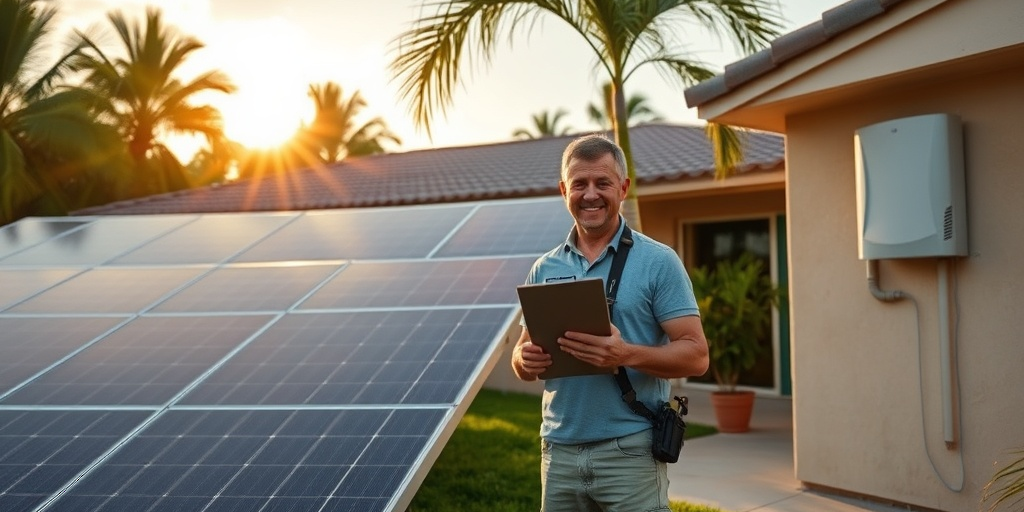
In the rapidly evolving landscape of renewable energy, the conversation about solar power is more pertinent than ever, especially for Florida homeowners. Did you know that the average lifespan of solar panels ranges from 25 to 30 years? This statistic is essential for maximizing your investment as energy costs soar and traditional power sources become increasingly unstable. The article titled “Why Florida Homeowners Should Consider Solar Panel Lifespan Benefits” seeks to illuminate the numerous advantages of understanding solar panel longevity. According to the Solar Energy Industries Association (SEIA), solar energy systems have increased by 167% in the last five years, underpinning the shift towards cleaner energy. Furthermore, Florida ranks second in the nation for solar installations, demonstrating the viability and appeal of this technology among local residents. In 2025, as incentives for transitioning to solar power grow, the urgency for homeowners to evaluate the long-term savings and environmental benefits will only escalate further.
In this post, we will uncover the hidden gems of solar panel lifespan benefits, focusing on five key sections that will guide you through:
- Florida Homeowner Case Study: A narrative of a local family’s solar journey, illustrating real-world implications.
- Checklist for Solar Panel Selection: A practical guide to ensure you’re covered from installation to maintenance.
- Solar Energy Myths: A myth-busting segment to dispel common misconceptions.
- Florida’s Unique Solar Landscape: Understanding solar policies, incentives, and statistics specific to Florida.
- Technical Insights: An in-depth look at the technology behind solar energy systems.
As we delve deeper, let’s explore how Florida homeowners can grasp the long-term benefits of solar panel lifespans and, in turn, increase their financial savings and energy autonomy.
Florida Homeowner Case Study: A Solar Journey
Meet the Garcia family from Orlando, Florida. Like many homeowners, they faced rising electricity bills that seemed relentless. Over the last five years, their power costs had surged by nearly 50%. Driven by both financial concerns and a commitment to a greener lifestyle, the Garcias decided to explore solar energy.
After thorough research, they discovered that investing in solar panels, which have an estimated lifespan of 25 years, could significantly decrease their monthly expenses. They consulted with Florida Electric & Solar about installation and financing options. With the Federal Investment Tax Credit (ITC) available, they could deduct a substantial percentage of the installation cost from their federal taxes, making it even more attractive.
Once installed, the Garcias were eligible for net metering, which allowed them to receive credits on their utility bills for the excess energy produced by their solar system. This feature rolled up into noticeable savings; within just a year, they dropped their electricity expenses by 60%. But it was during a particularly hot August that they truly felt the weight lifted off their shoulders. The once formidable electric bill morphed into an easy-to-manage monthly payment due to their solar panel investment.
Their story highlights an essential checklist for prospective solar buyers:
- Evaluate Energy Needs: Understand your average electricity consumption.
- Research Financial Incentives: Investigate available tax credits and rebates.
- Select Quality Panels: Choose reputable solar panel manufacturers.
- Explore Installation Options: Consider local providers that offer warranties and maintenance.
- Monitor Performance: Utilize technology that tracks energy production.
This journey of the Garcia family is just one of many in Florida, showcasing how understanding the benefits of solar panel lifespans leads to financial freedom and environmental responsibility.
Checklist for Solar Panel Selection in Florida
Once you’ve made the decision to go solar, knowing how to select the right solar panels can greatly impact your experience and savings. Starting with a well-defined checklist can streamline the selection process for Florida homeowners. Here’s an effective checklist to guide your solar panel selection:
- Step 1: Understand Local Climate Conditions
Florida’s sun exposure makes it one of the top states for solar energy production. Panels must be resilient against heat, humidity, and occasional hurricanes. Look for products that carry high efficiency ratings suitable for your area. - Step 2: Research Panel Lifespan and Warranty
Different brands offer different warranties. Look for solar panels with a warranty of at least 25 years. This expresses the manufacturer’s confidence in their product’s longevity. - Step 3: Evaluate Efficiency Ratings
The efficiency of solar panels determines how much sunlight they can convert into electricity. Panels rated above 18% are considered high-efficiency and could provide better yield in less space. - Step 4: Check Customer Reviews and Ratings
Customer feedback can provide insights into long-term performance and reliability. Platforms like Solar Reviews and EnergySage can be instrumental in gathering this information. - Step 5: Consult Local Experts
Engage with local solar companies like Florida Electric & Solar for tailored advice and in-depth product comparisons to find the solution that fits your needs best.
As you’ll observe, understanding solar panel selection goes beyond just upfront costs; it’s about ensuring long-term savings and efficiency, underpinning the overall success of your solar investment.
Debunking Common Solar Energy Myths
Myth #1: Solar Panels Are Too Expensive
This is a common misconception. While the upfront costs can be significant, numerous financing options exist that can spread costs over time, making solar energy accessible to more Florida homeowners than ever before. In fact, solar panel prices have dropped by over 70% in the last decade (SEIA.org), making them a reachable option.
Myth #2: Solar Panels Don’t Work on Cloudy Days
While solar panels produce less energy on cloudy days, they can still capture sunlight and function efficiently. Florida’s ample sunshine ensures that even during cloudy periods, solar systems can deliver noticeable energy savings.
Myth #3: You Need a Perfect Roof to Install Solar Panels
Many homeowners believe their roofs must be pristine to accommodate panels. In reality, solar panels can be installed on various roofing types, including flat and tile roofs, as well as in ground-mounted systems, making solar energy versatile and feasible for many properties.
Myth #4: Solar Energy Is Only for New Homes
A common fallacy is that solar energy systems are only practical for new builds. Many older homes can benefit from solar installations with the right adjustments and configurations, ensuring that all property types can transition to solar energy.
Myth #5: Solar Panels Require Constant Maintenance
Many people misconceive solar panel maintenance as overly demanding. In reality, solar panels are designed to be low-maintenance. Occasional cleaning and routine checkups can keep them operating efficiently without much hassle.
By debunking these myths, Florida homeowners can feel more comfortable making informed decisions about their solar investments. Understanding the intricacies surrounding solar energy empowers you to maximize your potential savings.
Florida’s Unique Solar Landscape
Florida truly stands out when considering solar energy in the United States. With an abundant supply of sunshine, the Sunshine State justifies its title, now exceeding 2.6 million installed photovoltaic systems (SEIA.org). Homeowners are realizing the substantial potential for energy independence, savings, and environmental stewardship through solar energy.
One critical policy that impacts solar adoption in Florida is net metering, which allows solar system owners to sell excess power back to the grid. In 2025, net metering policies are expected to evolve, making it more lucrative for homeowners to invest in solar-powered solutions. To take advantage of these policies, homeowners should be aware of the timelines and qualifications needed to secure these benefits.
Here are some compelling Florida-specific statistics:
- Florida ranks third in the U.S. for solar installed capacity, trailing only California and Texas.
- Solar power contributes to over 10% of the state’s total energy generation (Energy.gov).
- More than 1,200 days of sunshine per year provide ideal conditions for solar energy production.
With this robust solar landscape, homeowners are in an excellent position to harness the long-lasting benefits of solar panels, resulting in favorable investment returns over time.
Exploring the Technical Aspects of Solar Systems
When considering solar power, delving into the technical facets of solar panels, batteries, and inverters can shed light on the overall investment’s value. Understanding these components is critical to maximizing efficiency, effectiveness, and savings. Below are key features that should be evaluated during your solar panel selection:
- Solar Panel Types: There are three main types of solar panels: Monocrystalline, Polycrystalline, and Thin-film. Each has its advantages, but for long-lasting performance, monocrystalline panels often lead the pack, offering higher efficiency and durability.
- Battery Storage Options: Battery storage systems are becoming increasingly important, especially in peak usage times and during grid outages. Evaluating storage capabilities in tandem with your solar panel system creates a safety net for energy use.
- Inverter Quality: The inverter is a vital component that converts solar energy into usable electricity in your home. Choosing high-quality inverters that work with your specific panel system ensures optimum energy production.
- Billing Structures: Understanding billing structures is essential for calculating your ROI. Familiarize yourself with how net metering works locally, as well as any changes coming in 2025 to utility pricing models.
- Monitor Performance: Implement monitoring technology to track your system’s performance consistently. Apps and software tailored to solar energy systems can provide real-time insights into energy production and consumption.
By focusing on these technical aspects, homeowners can better grasp the longevity and efficiency of solar energy systems. Knowledge about these factors will empower you to make informed decisions as you prepare to invest in solar power.
Next Steps for Florida Solar Buyers in 2025
Now that we have explored the landscape of solar panel benefits, it’s essential to outline actionable steps for Florida homeowners looking to make the leap into solar energy. Below is a structured action plan that will lead you toward successful solar adoption:
- Step 1: Audit Your Electric Bill
Start by analyzing your monthly electricity bills to assess your current energy usage and costs. This data will aid in calculating the size and type of system you need. - Step 2: Research Local Incentives
Be informed about state and federal incentives available for solar installation to ensure you secure financial aid benefiting your investment. Websites such as the Database of State Incentives for Renewables and Efficiency (DSIRE) can provide valuable guidance. - Step 3: Contact Local Solar Providers
Reach out to reputable solar installers, such as Florida Electric & Solar, to discuss your needs and possible solar solutions based on your location and financial standing. - Step 4: Schedule a FREE Consultation
Most solar companies offer a no-obligation consultation. Use this opportunity to ask questions, evaluate financing options, and compare panel systems tailored to your requirements. - Step 5: Prepare for Installation
Once you’ve chosen a system, prepare your home for installation by cleaning the area around your roof or installation site, and ensure that you understand the timeline and expectations during installation.
By following these systematic steps, Florida homeowners can reduce uncertainties around the solar purchasing process. Every small step you take toward acquiring solar power today creates a ripple effect for your financial future and the environment.
In conclusion, the journey toward solar energy adoption is one filled with both challenges and tremendous opportunities. By understanding the lifespan benefits of solar panels, you’re equipping yourself not just for immediate savings but for meaningful long-term investment gains. The Garcias of Orlando are just one example among countless Florida homeowners who have found solace and sustainability in their decision to embrace solar energy. With the industry evolving in 2025, there has never been a more opportune time to explore how your home could benefit from solar investment.
Ready to start your solar journey in 2025? Connect with a certified expert at floridaelectricandsolar.com today.
Related Articles
More insights about Solar Panel

Florida Homeowners: Why Solar Panel Maintenance Is Essential

7 Essential Steps for Solar Panel Installation Success

Expert Insights: Key Factors Influencing Solar Panel Lifespan
Ready to Go Solar?
Have questions about solar energy? Our experts are here to help you make the switch to clean, renewable energy.