
Florida Homeowners Can Save With Solar Panel Installation Tips
Share:
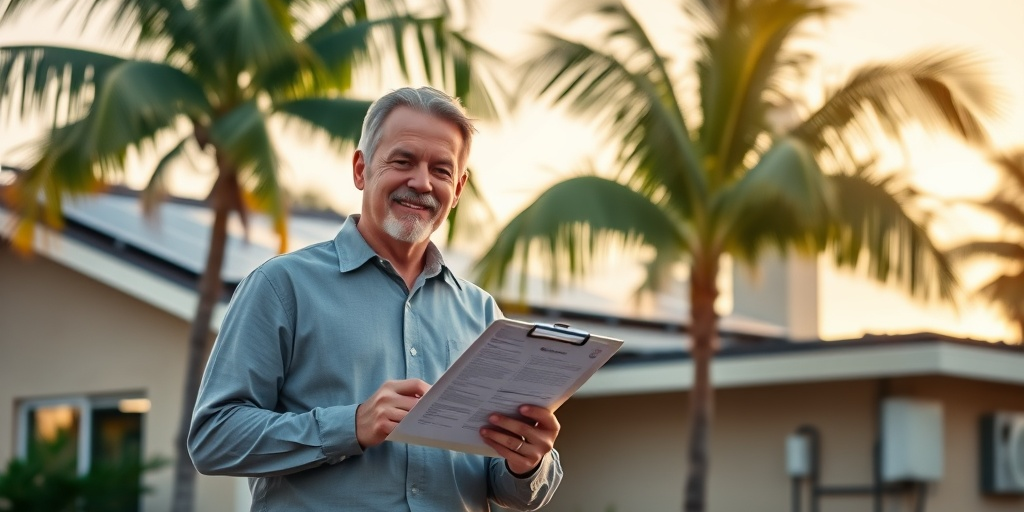
Did you know that the average Floridian can save over $15,000 on electricity bills over 20 years by investing in solar power? As a homeowner or commercial property owner in the Sunshine State, the promise of substantial long-term savings is just one reason to consider solar panel installation. In fact, data indicates that solar installations have surged by over 60% in Florida, making it one of the top states for solar energy adoption (SEIA.org). With increasing energy costs, the urgency to transition to solar power becomes even more pronounced in 2025. This year ushers in new solar incentives aiming to make solar power affordable and attractive, making now the perfect time to explore how **Florida Homeowners Can Save With Solar Panel Installation Tips**.
By understanding practical strategies to maximize your savings and boost energy efficiency, you can take meaningful steps towards energy independence and financial savings. This blog post will delve into the nuances of solar panel installation, showcase success stories, debunk myths, and provide actionable steps tailored for Florida homeowners and commercial property owners alike.
In this comprehensive guide, we will cover:
- A case study illustrating the impact of solar in Florida.
- A checklist for successful solar panel installation.
- Common myths about solar energy and their facts.
- Insights on local energy policies and stats.
- A detailed technical analysis of solar systems and billing.
Get ready to embark on a journey where solar energy becomes not just an option but a pathway toward savings and sustainability!
Transforming Lives: The Solar Success of the Rodriguez Family
The Rodriguez family, residents of Miami, recently transitioned to solar energy in July 2024. Their decision stemmed from soaring utility bills that were impacting their budget, especially during the peak summer months when air conditioning use skyrockets. With an electric bill averaging $300 monthly, the family was spending over $3,600 each year just to keep the lights on. After meticulous research, they discovered that Florida homeowners can dramatically reduce their energy expenses by harnessing solar power.
After reaching out to Florida Electric & Solar, the Rodriguez family learned about special financing options and state incentives, leading to a decision that would ultimately pay off. The installation of their solar panels was completed within a few days, and they were quickly able to start seeing reductions in their electricity bills. In fact, during the first month of use, they noticed a drop to approximately $70 monthly. Over the course of a year, that translates to $2,760 in savings.
This $2,760 can now be redirected towards savings or family activities, enriching their quality of life. According to the Solar Energy Industries Association (SEIA), the payback period for solar installations in Florida averages around 7 to 8 years. Over the life span of the panels, homeowners can foresee up to $15,000 in total savings. The Rodriguez family’s experience is typical—and illustrates how solar panel installation can significantly alleviate financial burdens while empowering homeowners to take control of their energy consumption.
Checklist for Successful Solar Panel Installation
Are you ready to take the plunge into solar energy? Here’s a simple yet effective checklist that will guide you through the essential steps necessary for successful solar panel installation in Florida:
- Step 1: Analyze Your Energy Needs
Determine your average energy consumption by reviewing your electricity bills. Download your last 12 months of electricity data to understand your usage. - Step 2: Evaluate Your Property
Assess if your roof receives sufficient sunlight throughout the day. Obstructions like trees or buildings can impact solar efficiency. - Step 3: Research Local Solar Incentives
Take advantage of available tax credits, expected to last through 2025. Several programs allow homeowners to recoup 30% of installation costs through federal tax credits (Energy.gov). - Step 4: Choose a Reputable Installer
Look for local certified solar companies that have a history of success and excellent customer reviews. Engage multiple quotes to gauge prices and services. - Step 5: Understand the Permit Process
Familiarize yourself with local zoning laws and permitting requirements. Your solar company can often help initiate this process.
Follow these steps diligently, and you’re on your way to successfully installing solar panels. The local market is brimming with potential; Florida Electric & Solar is here to help you on this journey. For further assistance, visit floridaelectricandsolar.com.
Myth-Busting: Common Misconceptions About Solar Energy
Myth #1: Solar Energy is Too Expensive
One of the prevalent myths is that installing solar panels is cost-prohibitive. While initial expenses may seem high, with available incentives and financing options, many homeowners can effectively minimize upfront costs and benefit from long-term savings.
Myth #2: Solar Panels Don’t Work in Cloudy Weather
Another common misconception is that solar panels are ineffective during cloudy days. While it’s true that energy production decreases under cloudy conditions, solar panels can still generate power. In fact, solar technology is designed to capture diffuse sunlight, which can be effective even in less-than-ideal weather.
Myth #3: Installation is a Hassle
Many homeowners fear that the installation process is lengthy and complicated. In reality, most installations can be completed within a few days, and experienced installers manage the complexities involved, including zoning approvals and permitting.
Myth #4: Solar Panels Require Constant Maintenance
Some believe that solar energy systems require ongoing, extensive maintenance—a falsehood. Routine maintenance, like cleaning and monitoring function, is straightforward, and the systems are designed to require minimal upkeep.
Myth #5: You Can’t Use Solar Power at Night
It’s true that solar panels produce energy during daylight, but solar battery storage systems enable homeowners to utilize stored energy at night. This technology has matured significantly and is a viable option for energy independence.
The Florida Solar Landscape: Local Insights and Data
In Florida, the solar landscape is rapidly evolving, driven by both climate and economic factors. According to recent statistics, solar photovoltaic installations have increased over 60% since 2020, positioning Florida as one of the top states for solar efficiency (SolarReviews.com). Additionally, the state has implemented numerous incentives for solar installations, including the Property Tax Exemption for solar equipment.
Homeowners are becoming increasingly aware of the environmental benefits of solar energy as well. Studies show a growing public consensus on the importance of renewable energy, particularly in states vulnerable to climate variations, like Florida. In fact, legislative support for solar initiatives remains high, with bills aimed at extending tax credits and rebates expected to pass in the upcoming legislative session.
- Average Savings: Florida homeowners can save approximately $15,000 over the lifespan of solar systems.
- Energy Independence: Installing solar panels empowers homeowners to generate their own electricity, providing substantial savings and energy security.
- Environmental Impact: Solar energy reduces dependence on fossil fuels, a vital step for combatting climate change in coastal states like Florida, which face the threat of rising sea levels.
By making informed decisions, Florida homeowners can capitalize on the increasingly favorable solar environment while aligning with sustainable practices.
Technical Deep-Dive: Understanding Solar Systems and Billing
Understanding the intricacies of solar systems is crucial for maximizing savings. There are key components that affect how much electricity you can generate and how it impacts your electricity bill. This deep-dive will elucidate solar panel technology, battery storage, and Net Metering, which are pivotal for any homeowner considering an installation.
Solar Panels: Solar photovoltaic (PV) panels convert sunlight into electricity through cells composed of silicon. They produce direct current (DC) electricity that is then turned into alternating current (AC) electricity by an inverter to power your home.
Battery Storage: Employing a solar battery system allows homeowners to store excess energy generated during the day for nighttime use. New technologies have significantly lowered the cost of high-capacity battery systems, making them an attractive option for energy resilience.
Net Metering: This is a billing mechanism that ensures you are compensated for the excess energy you generate and send back to the electric grid. As you harvest solar energy and produce a surplus, your utility company credits your account for future use. This can contribute to significant savings over time.
Homeowners should familiarize themselves with how billing works before installation; understanding the cost-benefit of each component ensures effective budget management and maximized solar savings.
Next Steps for Florida Solar Buyers in 2025
Preparing to harness the power of solar energy in Florida doesn’t have to be daunting. Here’s a straightforward action plan to guide you, turning your solar aspirations into reality.
- Audit Your Electric Bill: Review your energy usage over the past few months to understand your baseline consumption. Identify any seasonal peaks or areas for efficiency improvement that might complement solar deployment.
- Research Incentives and Rebates: Familiarize yourself with local, state, and federal incentives that reduce your installation costs. Be aware of credits that can enhance your overall savings.
- Consult with Experts: Engaging with solar professionals will give you insights tailored to your property needs. Utilize local resources like floridaelectricandsolar.com to connect with certified solar installers.
- Plan for Financing: Investigate financing options that allow manageable payments. Many solar companies provide financing plans that make going solar more accessible.
- Installation Timeline: Keep an important timeline in mind. Understand how long the installation process will take and make adjustments to your plans accordingly.
With this action plan in place, Florida solar buyers set themselves up for success. A single decision holds the potential for vast long-term savings!
In conclusion, transitioning to solar energy in Florida is more than a financial investment—it’s an investment in a sustainable future for you, your family, and the environment. By harnessing solar power, Florida homeowners can significantly reduce everyday expenses while securing energy independence. With the insights you’ve gained today, such as the Rodriguez family’s success story, actionable checklists, and knowledge of local dynamics, there’s no better time to get started. Remember, solar energy will only continue to rise in relevance, especially with favorable incentives ahead in 2025.
Ready to start your solar journey in 2025? Connect with a certified expert at floridaelectricandsolar.com today!
Related Articles
More insights about Solar Panel

Florida Homeowners: Why Solar Panel Maintenance Is Essential

7 Essential Steps for Solar Panel Installation Success

Expert Insights: Key Factors Influencing Solar Panel Lifespan
Ready to Go Solar?
Have questions about solar energy? Our experts are here to help you make the switch to clean, renewable energy.