
Florida Homeowners: Understand the Savings from Solar Panel Lifespan
Share:
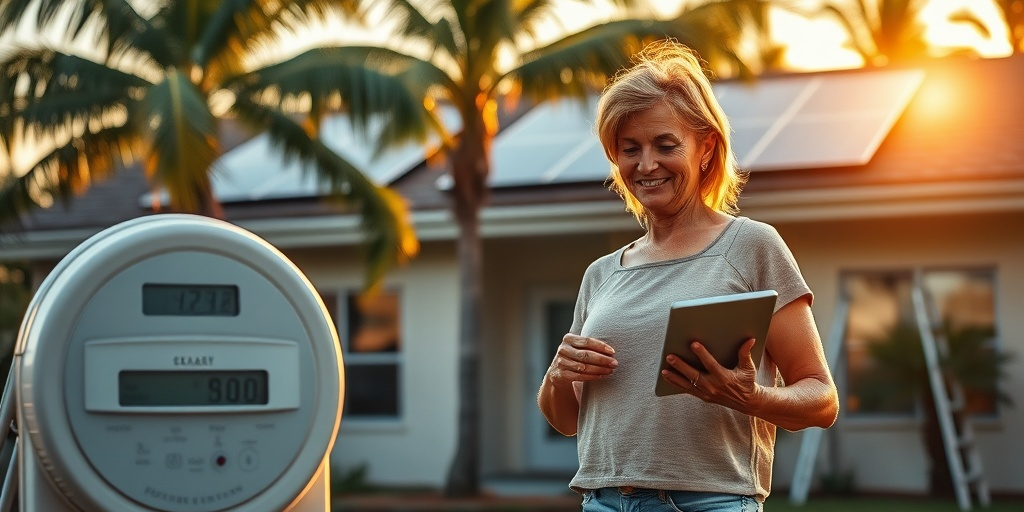
Did you know that Florida ranks second in the nation for solar energy capacity? With abundant sunshine and a growing commitment to renewable energy, solar power is no longer just a niche market; it’s an investment that Florida homeowners are eager to make. This brings us to our topic today: Florida Homeowners: Understand the Savings from Solar Panel Lifespan. As we look into 2025, understanding the longevity of solar panels is crucial for maximizing your investment and enjoying long-term utility bill savings. With rising energy costs projected to increase by an average of 6% annually (Energy.gov), homeowners are more motivated than ever to consider solar energy solutions. Additionally, many Floridians remain skeptical about the actual savings generated from solar installations, often holding on to misconceptions that can cloud their judgment. Throughout this article, we’ll explore the extensive lifespan of solar panels, how you can maximize your investment, and the economic factors driving these choices in 2025.
This article will cover:
- The deep dive into savings and lifespan
- A practical checklist for solar panel investment
- Common myths about solar power debunked
- The local landscape for solar energy in Florida
- Technical considerations and best practices for solar installation
As energy prices rise and awareness about renewable solutions grows, 2025 is an essential year for solar considerations in Florida. Homeowners must seize this moment to educate themselves and take proactive steps toward harnessing solar energy. Join me as we delve into the compelling world of solar energy, its lifespan, its savings, and what it means for you as a Florida homeowner.
Unlocking the Savings Potential of Solar Panel Lifespan
Imagine waking up each day knowing that the energy powering your home is not only renewable but also significantly reducing your monthly expenses. That’s the reality for many Florida homeowners who have chosen to install solar panels. Take the case of the Martinez family from Tampa. After struggling with rising electric bills that soared to over $300 a month, they decided to take the plunge into solar energy in 2024. With a significant investment upfront, they hesitated. However, they quickly learned that the investment paid off: not only did their bills drop to under $100 a month, but they also increased their home’s value by approximately $15,000 (SolarReviews.com).
But how can you as a Florida homeowner maximize the potential savings from your solar investment? A critical aspect to consider is the lifespan of the solar panels themselves. Commonly, solar panels come with warranties ranging from 25 to 30 years, ensuring they can produce energy efficiently for decades. According to the Solar Energy Industries Association (SEIA.org), most panels degrade at a rate of roughly 0.5% per year, so they continue to produce energy at a significant capacity long after that 25-year warranty has expired.
To ensure you’re making informed decisions, here’s a checklist for maximizing your investment:
- Research Quality Brands: Not all solar panels are created equal; investigate brands that offer long warranties and high efficiency ratings.
- Understand Local Incentives: Florida homeowners can benefit from state tax credits and net metering, enhancing the cost savings of solar installations.
- Monitor Performance: Keep track of how much energy your system is generating to ensure it matches predictions and make adjustments as necessary.
- Schedule Regular Maintenance: Although solar panels are generally low-maintenance, routine check-ups ensure efficiency and prolong lifespan.
- Consider Battery Storage: Incorporating battery storage can maximize savings by storing solar energy generated during the day for use at night.
Confirming the right installation practices and understanding capabilities ensures your system thrives. Debunking myths surrounding solar energy can further alleviate concerns. The widespread notion that solar panels only work on sunny days can mislead homeowners; while they perform best in sunlight, modern technology allows for energy generation even on cloudy days. In fact, many systems collect enough sunlight even in lower light conditions, adapting to Florida’s varied weather patterns.
Another myth is that solar panels are too expensive and do not yield significant savings. In reality, as costs continue to drop—down nearly 89% since 2010 (SEIA.org)—the long-term savings can far outweigh the initial investment. Florida’s average payback period for solar systems can be as short as 7 years, depending on energy consumption and panel efficiency. You can begin to see how the upfront investment of solar panels can lead to substantial long-term savings.
As Florida leads the charge in solar energy adoption, understanding the local statistics becomes paramount. Florida boasts over 18,000 solar installations as of early 2023, with a growth rate of 44% year-over-year (SEIA.org). This culminates in a robust infrastructure that supports long-term investment—evidence that choosing solar aligns with both financial prudence and environmental sustainability.
Your Essential Solar Investment Checklist
Investing in solar energy is a journey filled with critical decisions. Whether you’re newly considering solar or seeking to optimize an existing system, this checklist will serve as a valuable guide.
- Step 1: Conduct an Energy Audit – Assess your current energy consumption and identify areas for efficiency improvements. Understanding your usage leads to tailored solar solutions.
- Step 2: Research Solar Providers – Seek out reputable companies in Florida with strong customer reviews. A provider who understands local regulations will ensure installation occurs smoothly.
- Step 3: Analyze Financial Options – Consider financing options such as solar loans or leasing arrangements that meet your budgetary needs.
- Step 4: Review Installation Site – Ensure your roof is suitable for solar installation, maximizing exposure to sunlight. Factors such as shading from trees or the neighboring structures should be evaluated.
- Step 5: Understand Incentives – Stay updated on local and federal incentives that can reduce installation costs, such as the federal solar tax credit.
By following these structured steps, you prepare for a successful solar experience while avoiding common pitfalls. Making informed decisions doesn’t just reduce expenses; it empowers you to take charge of your energy future.
In addition, let’s address a few common myths. One prevalent misconception is that switching to solar is an all-or-nothing journey. In reality, you can start small—perhaps with a partial solar installation or optimizing your home’s energy efficiency before committing fully to solar energy. This gradual approach can provide tangible results while informing your experience.
Florida’s sunny disposition continues to support solar growth, which reflects in the local policies surrounding solar energy installations. Laws promoting net metering, which allows homeowners to earn credits for surplus energy sent back to the grid, further enhances the appeal of investing in solar technology. Consulting experts to navigate these beneficial policies can also help optimize savings.
5 Expert Solar Installation Tips for 2025
As you embrace the shift toward solar energy in Florida, consider these expert tips to enhance your solar panel installation experience:
- Don’t Skimp on Panel Quality: The longevity and efficiency of your panels should be paramount—high-quality panels can last over 30 years and produce energy more effectively over time.
- Maximize Placement: Optimal placement can significantly impact your energy production. Ideally, panels should face true south and have minimal shading throughout the day.
- Factor in Local Weather: Florida weather can be unpredictable. Choose panels designed to withstand high humidity, potential hurricanes, and intense sunlight.
- Invest in Maintenance: Even though solar panels require minimal maintenance, scheduling routine inspections can ensure optimal performance and longevity.
- Consider Battery Storage: Integrating a battery system can provide a safety net, offering unused energy storage for use during peak demand or power outages.
Implementing these tips not only elevates your energy efficiency, but also ensures your investment continues to pay dividends in the long run. With renewable energy becoming increasingly significant, aligning your choices with industry best practices is vital for success.
A Homeowner’s Journey to Solar Energy
To further illustrate the benefits of solar energy, let’s explore the journey of Jennifer, a homeowner in Orlando. Concerned about the rising electricity prices and her growing carbon footprint, she began researching solar options in early 2024. Her investigations revealed the substantial savings offered by solar—despite some initial trepidation due to myths about complicated installations and cumbersome maintenance.
Jennifer took action by reaching out to a local solar provider known for its customer service and expertise in navigating Florida’s renewable energy landscape. With her energy consumption evaluated, her provider recommended a solar system designed to cut her electric bill in half.
Here are four key milestones on Jennifer’s solar journey:
- Evaluating Energy Needs: An energy audit uncovered her consumption was significantly higher than necessary. Implementing minor changes, like LED lighting and modern appliances, reduced her load by 15%.
- Selecting a Trusted Installer: After thorough research and consultations, Jennifer chose a company renowned for both quality installations and robust customer support throughout the process.
- Seamless Installation Process: The installation was quick and organized, taking just two days. Experts managed permitting and inspections with minimal disruption to her daily routine.
- Active Monitoring: Post-installation, Jennifer utilized a monitoring app that allowed her to track production and consumption, witnessing firsthand the savings accrue every month.
The outcome? By mid-2025, she not only saw her electric bill plummet but also educated herself on sustainable energy, becoming an advocate for solar adoption among friends and family. Her investment increased the value of her home and inspired her community to explore solar options as well.
Next Steps for Florida Solar Buyers in 2025
Your journey toward energy independence as a Florida homeowner can begin with a few decisive steps:
- Audit Your Electric Bill: Start by tracking monthly expenses to understand your energy needs better. Identify peak usage times and potential savings from solar.
- Research Your Solar Options: Explore available systems and choose providers that align with your budget and energy needs. Evaluate installation costs against projected savings.
- Consult Experts: Don’t hesitate to connect with experts from floridaelectricandsolar.com. These professionals can provide insights tailored to your specific situation.
- Explore Local Incentives: Stay informed about governmental and local initiatives that can reduce solar installation costs. Every bit counts!
- Begin Your Installation: Once you finalize decisions, kick off the installation process and prepare to reap the rewards of your investment—financial and environmental.
As you take these steps, remember to remain engaged and informed. The solar landscape in Florida is expanding rapidly, and proactive measures today can secure significant benefits in the years to come.
To recap, understanding the lifespan of solar panels helps clarify long-term savings potential. As energy prices continue to rise, making informed decisions leads to substantial payoffs—not just financially, but also for the planet. Each homeowner’s story, whether it’s Jennifer’s or the Martinez family’s, demonstrates that investing in solar energy today can drastically improve tomorrow.
Ready to start your solar journey in 2025? Connect with a certified expert at floridaelectricandsolar.com today.
Related Articles
More insights about Solar Panel

Florida Homeowners: Why Solar Panel Maintenance Is Essential

7 Essential Steps for Solar Panel Installation Success

Expert Insights: Key Factors Influencing Solar Panel Lifespan
Ready to Go Solar?
Have questions about solar energy? Our experts are here to help you make the switch to clean, renewable energy.