
Grid-Tied vs Off-Grid Solar Systems: The Essential Comparison Guide
Share:
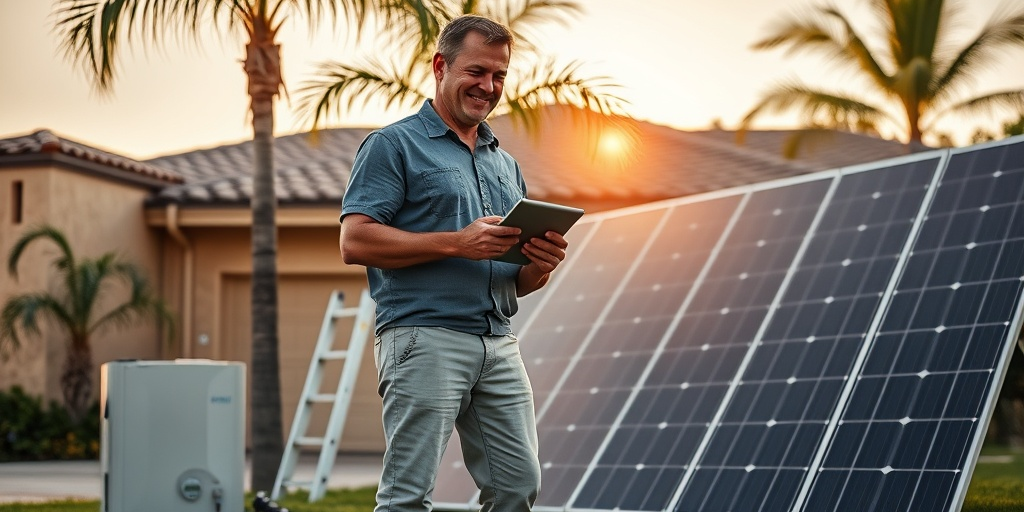
Consider this startling fact: in Florida alone, over 700,000 homes have turned to solar energy in recent years, marking a significant shift towards renewable energy sources. As energy prices continue to rise, many homeowners are exploring their options to harness the sun’s power. With 2025 right around the corner, understanding the key differences between grid-tied and off-grid solar systems has never been more critical. In our article titled Grid-Tied vs Off-Grid Solar Systems: The Essential Comparison Guide, we will delve into vital distinctions, ensuring you make an informed decision for your home or commercial property.
In 2025, not only will rising energy costs affect energy choices, but new incentives from federal and state programs will create unprecedented opportunities for homeowners. Did you know that Solar Energy Industries Association (SEIA) projects that solar capacity could grow by 30% by 2026 due to these incentives? Such data emphasize the urgency of understanding whether a grid-tied or off-grid solar system is best suited to your unique needs.
This guide will navigate you through five essential sections:
- Case studies showcasing real-life applications and experiences
- A detailed checklist for evaluating your solar needs
- Common myths about solar systems, debunked
- Florida-specific data and policies impacting your decision
- A technical deep-dive into how both systems function and their implications
Understanding these aspects today will empower you to embrace solar energy confidently and contribute to a sustainable future.
Case Study: The Smith Family’s Solar Revolution
Meet the Smith family from Orlando, a typical Florida household concerned about their escalating energy bills. Faced with an average electric bill of $250 monthly, they decided to research ways to alleviate their financial burden while being eco-friendly. After exploring their options, they narrowed it down to two possibilities: grid-tied and off-grid solar systems.
The Smiths discovered that a grid-tied solar system would allow them to use solar energy during the day while remaining connected to the electrical grid for power after sunset. They learn that if they produced more energy than they consumed, they could sell the excess back to their utility company, effectively reducing their bills to almost zero (SolarReviews.com).
On the other hand, the off-grid option entailed investing in battery storage to ensure they could access power even during outages. Although this system promised independence from the grid, the upfront costs for batteries and installations were significantly higher. They weighed the pros and cons, ultimately opting for a grid-tied solar system, which provided reliable savings while still being connected to local resources.
Checklist: Assessing Your Solar Needs
Before making a decision between grid-tied and off-grid solar systems, consider these actionable steps:
- Step 1: Audit Your Electric Bill – Analyze your monthly bills for the past year to understand your average energy consumption.
- Step 2: Inspect Your Roof – Ensure that your roof is suitable for solar panel installation, meaning it should be unobstructed by trees and in good condition.
- Step 3: Determine Financial Readiness – Assess your budget for installation and long-term savings from switching to solar. Will you need financing?
- Step 4: Research Local Incentives – Check for available rebates, tax credits, or incentives in Florida that can aid in reducing costs.
- Step 5: Consult with Experts – Speak to certified solar consultants like those at floridaelectricandsolar.com to understand your specific needs better and evaluate your options.
By following these steps, you can equip yourself for a more informed decision-making process, ensuring that your chosen solar system aligns optimally with your financial and energy goals.
Myth-Buster: Common Misconceptions About Solar Systems
As you delve into the world of solar power, you may encounter various myths. Let’s debunk some prevalent misconceptions:
- Myth #1: Off-grid systems are always better for energy independence. Many homeowners find that grid-tied systems offer sufficient independence while maintaining a reliable backup via the grid. Plus, they can take advantage of net metering to offset costs.
- Myth #2: Solar panels only work in sunny areas. Surprising data indicates solar panels still generate energy on cloudy days—up to 80% of their capacity (Energy.gov).
- Myth #3: Solar energy is too expensive to install. While initial costs can be daunting, solar prices have plummeted over the last decade, making it more affordable than ever. In fact, the average cost of solar has dropped by approximately 70% since 2010 (SEIA.org).
Understanding these myths will help you navigate potential hurdles in switching to solar energy.
Local Focus: Solar Policies & Incentives in Florida
Florida leads the nation in solar energy potential. The state has enacted various policies to enhance solar adoption. Did you know that Florida now boasts a solar capacity of over 9,000 megawatts, making it third in the U.S. for installed solar power? This remarkable achievement is supported by numerous incentives, including:
- Property Tax Exemption – Homeowners can benefit from a property tax exemption for the added value of their solar installations.
- Federal Tax Credit – Homeowners may be eligible for the federal solar tax credit (ITC), allowing a deduction of up to 26% from taxes owed for solar installation costs.
- Net Metering – Utility companies in Florida offer net metering options, allowing residential and commercial users to receive credits for the returned energy produced by their solar panels.
These policies not only reduce the cost of solar system installation but also make transitioning to solar energy a financially rewarding decision.
Technical Deep-Dive: Understanding Your Solar System Options
When evaluating solar systems, understanding their technical details is crucial. Let’s break down the mechanisms involved in both grid-tied and off-grid systems.
Grid-Tied Systems: These setups are designed to operate in conjunction with local utility grids. Often, these systems consist of three key components:
- Solar Panels: Convert sunlight into electricity, typically made from photovoltaic (PV) cells.
- Inverters: Convert the direct current (DC) generated by solar panels into alternating current (AC) for home use.
- Net Metering: This setup allows homeowners to sell excess energy back to the grid during peak production hours.
Off-Grid Systems: In contrast to grid-tied systems, off-grid setups offer complete independence from the utility grid. Key components include:
- Storage Batteries: Store excess energy produced during sunny hours for use during nighttime or cloudy days.
- Charge Controllers: Regulate battery charging to prevent overcharging and ensure longevity.
- Backup Generators: A backup generator may be included for additional support during prolonged cloudy periods.
In deciding between grid-tied and off-grid systems, consider your individual energy needs, financial situation, and long-term sustainability goals.
Next Steps for Florida Solar Buyers in 2025
As you begin your journey into solar energy, here’s a concrete action plan to help you take the next steps:
- Review Local Regulations: Research your local zoning laws and HOA regulations regarding solar panel installation to avoid complications.
- Consult with Professionals: Seek expert advice from a reputable solar company, like floridaelectricandsolar.com, about the options available to you.
- Get Quotes: Solicit multiple quotes from different installers to find competitive pricing for your chosen solar setup.
- Evaluate Financing Options: Analyze different financing options—consider loans, leases, or purchasing outright based on your financial capabilities.
- Dive into Your Solar Journey: Once you settle on a system, schedule the installation and prepare to reap the rewards of renewable energy!
By following these steps, you’ll be well on your way to embracing solar energy confidently.
In conclusion, understanding the differences between grid-tied and off-grid solar systems is essential for any Florida homeowner serious about solar energy. This knowledge empowers you to make a decision that aligns with your unique financial needs, energy consumption, and sustainability goals. As the solar landscape evolves with emerging technologies and incentives, taking this step in 2025 can help you unlock substantial savings while contributing positively to the environment.
Ready to start your solar journey in 2025? Connect with a certified expert at floridaelectricandsolar.com today.
Related Articles
More insights about Grid-Tied Solar

Grid-Tied vs. Off-Grid Solar Systems: A Technical Deep-Dive

Grid-Tied vs. Off-Grid Solar Systems: A Technical Deep-Dive

Grid-Tied vs Off-Grid Solar Systems: A Deep Dive into Differences
Ready to Go Solar?
Have questions about solar energy? Our experts are here to help you make the switch to clean, renewable energy.