
Grid-Tied vs Off-Grid Solar Systems: A Deep Dive into Differences
Share:
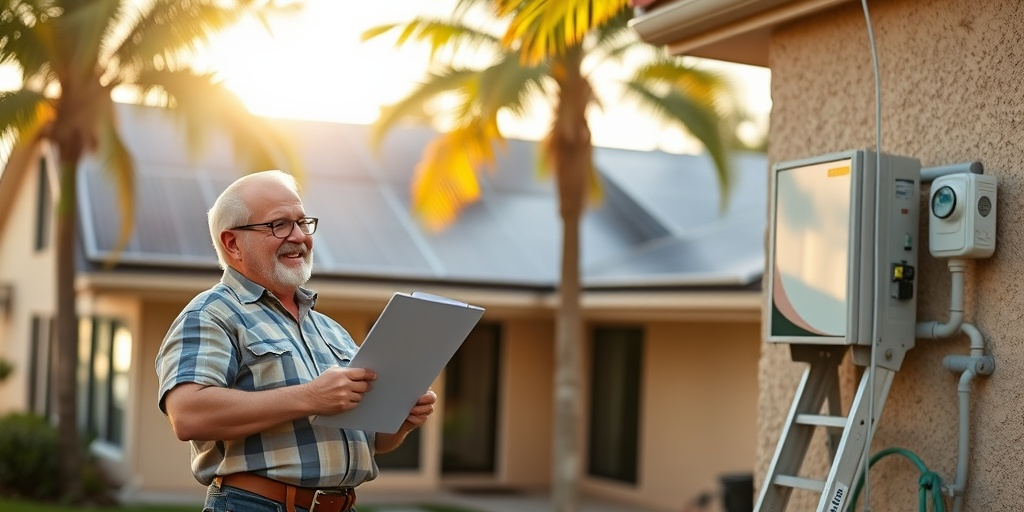
Imagine cutting your monthly energy bill to nearly zero while harnessing the sun’s relentless power—sounds dreamy, right? Florida, known for its abundant sunshine, is a prime candidate for solar energy solutions, and by 2025, homeowners and commercial property owners will face a crucial decision: should you opt for a grid-tied or an off-grid solar system? In this article, titled Grid-Tied vs Off-Grid Solar Systems: A Deep Dive into Differences, we’ll explore these two distinct options, diving into the heart of their differences and helping you determine which solution is right for your unique energy needs.
Did you know that Florida ranks among the top five states in solar capacity installed, contributing significantly to the nation’s renewable energy goals? Yet, as more homeowners make the switch, understanding the technicalities of each option becomes increasingly essential. In fact, solar energy accounted for over 3% of Florida’s total electricity generation last year (Energy.gov). These developments signal urgency as costs continue to rise, and new solar incentives are introduced. Thus, whether you are looking to save during peak summer months or searching for energy independence, understanding grid-tied versus off-grid systems will be crucial in making an informed choice.
In this deep dive, we’ll cover:
- A detailed exploration of case studies showcasing successful installations
- A step-by-step checklist to help you decide what system is best for your needs
- Key myths about solar systems and the truths behind them
- The local focus on Florida including statistics and policies that affect your choices
- A technical deep-dive analyzing the inner workings of grid-tied and off-grid systems
Let’s embark on this solar journey together and explore the profound differences between grid-tied and off-grid systems.
Understanding Grid-Tied and Off-Grid Solar Systems
To appreciate the nuances between these two options, let’s consider the journey of a fictional Orlando homeowner, Susan.
Susan had long been frustrated by the escalating costs of her utility bills. Year after year, she watched her energy costs soar, prompting her to explore solar options. Opting for a grid-tied system, she enjoyed seamless integration with her local utility, receiving credits for excess energy produced. Yet, during a summer storm, a sudden blackout led her to question if she should have gone with an off-grid system. This conflict of convenience versus independence is where many Florida homeowners find themselves today.
- Evaluate Your Energy Needs—Consider your current energy usage. Would you benefit more from energy independence, or is maximizing savings with a grid-tied setup your primary concern?
- Research Local Incentives—Florida offers various programs and incentives that can dramatically affect your solar financial calculations. For instance, the Florida Solar Renewable Energy Credits (SRECs) can enhance savings considerably.
- Understanding Equipment—Get familiar with the types of solar panels (monocrystalline, polycrystalline) and inverters. For grid-tied systems, you’ll need a reliable connection to the grid and a robust net metering system.
- Consult Professionals—Speak with solar energy experts to conduct a site assessment and provide tailored recommendations based on your property.
- Future-proofing—Consider the trajectory of energy prices and technological developments. Which system capitalizes on the trends influencing the solar landscape?
These five steps encapsulate a fundamental approach to navigating the decision-making process for new solar installations. Moreover, knowing how each system works empowers homeowners to manage energy expenses fundamentally.
Debunking Myths about Solar Energy in Florida
Despite the growing popularity of solar energy systems, certain misconceptions persist that inhibit potential users from embracing this powerful option.
- Myth #1: Solar is only for tech-savvy homeowners. This is false. Thanks to advances in technology, solar systems are simpler and more user-friendly than ever. Most homeowners adapt quickly, with manufacturers offering extensive guidance.
- Myth #2: Off-grid systems are unnecessary for urban living. In reality, many urban dwellers appreciate the reliability of independent energy sources, especially during grid outages. Off-grid systems can also be scaled to fit urban environments.
- Myth #3: Solar installation is too expensive. While initial investments can be intimidating, cutting-edge financing options and state incentives make solar accessible. In fact, the average payback period for solar investments is only 5 to 7 years (SolarReviews.com).
These myths are critical to dismantling as they often prevent homeowners from investing in solar technology and fully understanding the financial and practical benefits available to them.
The Local Landscape: Florida Solar Policies and Data
To fully grasp your options, let’s delve into Florida-specific data, highlighting the advantages of solar technology in the Sunshine State.
In 2025, Floridians looking to invest in solar can tap into numerous incentives designed to support renewable energy adoption. For instance, on a statewide level, the Property Tax Exemption for solar equipment allows tax credits that significantly reduce the financial burden of solar installation. As of now, the state reportedly has over 110,000 homes equipped with solar panels, and this number is set to increase (SEIA.org).
- Average savings on electricity bills can reach up to 70% once solar panels are installed.
- Florida’s sunny climate—averaging around 250 sunny days per year—ensures optimal solar energy generation potential.
- Community solar programs are becoming increasingly popular, providing access to renewable resources for those who cannot install their own systems.
Knowing these local policies and statistics equips Florida homeowners with the necessary tools to make informed decisions about their solar investments.
5 Best Practices for Solar Installation in 2025
Planning to install solar in 2025? Here are five essential tips to ensure a smooth and successful installation.
- Choose the Right Installer—Partnering with experienced professionals can significantly impact your system’s performance. Verify qualifications and compare reviews.
- Conduct a Site Audit—Prior to installation, ensure your roof is in good condition and assess potential shading from trees or nearby structures that might minimize sun exposure.
- Evaluate System Size—Tailor the size of your solar array to your energy consumption. It’s often wise to consult energy forecasts to determine your future needs.
- Understand Your Financing Options—Explore various programs like leases, loans, or purchasing to find the model that best aligns with your financial situation.
- Stay Informed About Technological Advances—The solar industry evolves quickly. Engaging with solar blogs and newsletters can keep you abreast of new developments that may influence your investment.
With these best practices in mind, homeowners can navigate the installation process with confidence, ultimately leading to effective solar solutions.
A Solar Journey: A Florida Homeowner’s Experience
Let’s talk about David, a fictitious homeowner from Tampa who took the plunge into solar energy. After receiving numerous complaints about rising electricity costs and frequent power outages during summer storms, he decided it was time to consider solar options.
David initially thought about going grid-tied for its reliability and the benefits of net metering. However, when he learned more about the off-grid options, he was intrigued by the concept of total energy independence. Driven by a desire to detach from the grid’s unpredictability, he opted for an off-grid system complete with battery storage. This decision not only provided him with uninterrupted power during outages but also freed him from energy company constraints.
- First, David conducted a thorough energy audit to assess his family’s consumption patterns.
- Next, he analyzed potential solar panel placements around his home to maximize sunlight exposure.
- David ensured he understood all the local regulations governing off-grid systems to avoid costly compliance mistakes.
- Finally, he engaged a certified professional to tailor the installation process to his exact needs.
David’s journey illustrates the variety of options available and the profound effects of aligning the right solar solution with personal goals and circumstances.
Next Steps for Florida Solar Buyers in 2025
Step 1: Audit Your Electric Bill—Start evaluating how much you spend on energy each month. This will help you identify potential savings and gauge the financial feasibility of solar.
Step 2: Assess Your Property—Check the condition of your roof and surrounding landscape to determine potential obstacles to solar energy generation.
Step 3: Research Available Incentives—Local programs and tax relief options exist. Doing your homework will help you maximize savings.
Step 4: Consult With Solar Experts—Engage professionals to get accurate assessments and tailored recommendations based on your property’s characteristics.
Step 5: Make an Informed Decision—Choose between grid-tied or off-grid systems based on your priorities and the information gathered during the previous steps.
With these actionable steps, you can confidently embark on the solar journey tailored to your needs and emerging energy landscape.
In conclusion, the choice between grid-tied versus off-grid solar systems involves a multitude of factors, including energy independence, potential savings, and the challenges that might arise during either setup. For Florida homeowners contemplating the switch to solar energy, understanding these intricacies ensures that your choice resonates with your long-term vision, offering financial savings, environmental benefits, and peace of mind.
Ready to start your solar journey in 2025? Connect with a certified expert at floridaelectricandsolar.com today.
Related Articles
More insights about Grid-Tied Solar

Grid-Tied vs Off-Grid Solar Systems: The Essential Comparison Guide

Grid-Tied vs. Off-Grid Solar Systems: A Technical Deep-Dive

Grid-Tied vs. Off-Grid Solar Systems: A Technical Deep-Dive
Ready to Go Solar?
Have questions about solar energy? Our experts are here to help you make the switch to clean, renewable energy.