
Grid-Tied vs. Off-Grid Solar Systems: A Technical Deep-Dive
Share:
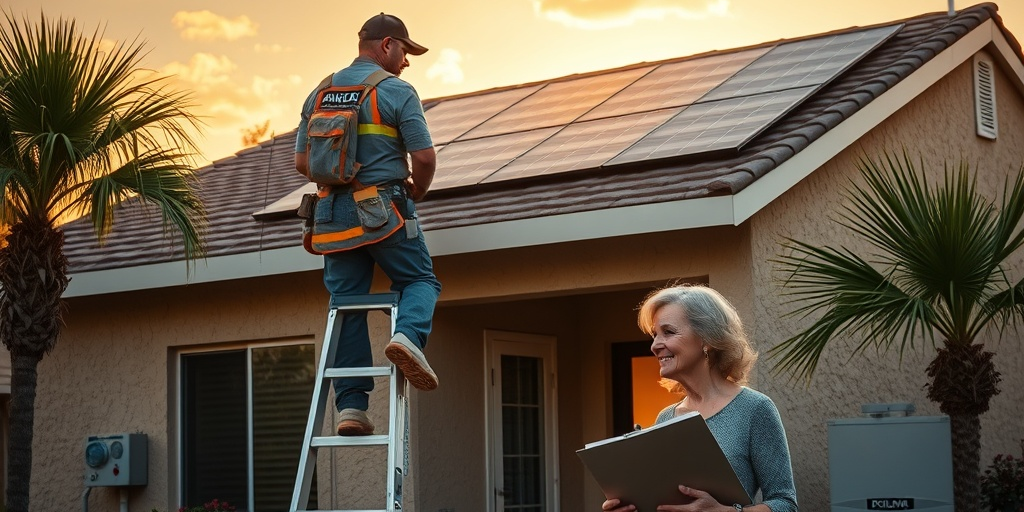
Imagine waking up on a sunny Florida morning, your home perfectly lit by sunlight, and with the knowledge that your energy costs are significantly lower than last year—thanks to solar energy. In fact, a recent study revealed that around 70% of Florida homeowners are now considering solar installations due to rising energy costs and the increasing affordability of solar technology. As we head into 2025, understanding the distinctions between various solar systems has become more urgent than ever. That’s why, in this blog post titled Grid-Tied vs. Off-Grid Solar Systems: A Technical Deep-Dive, we will explore the critical differences between grid-tied and off-grid systems, helping you make the right decision for your solar needs. According to the Solar Energy Industries Association, Florida is now ranked second in solar capacity across the United States. This presents an exciting opportunity for residents and businesses alike as solar technology continues to innovate and evolve.
In this extensive post, we will cover five key sections that will illuminate your solar journey:
- The technical advantages and disadvantages of grid-tied and off-grid systems.
- An actionable checklist to determine the right solar solution for your needs.
- Common myths about solar energy debunked with data and insight.
- Florida-specific statistics and policies impacting your solar decisions.
- A technical deep dive into system components including panels, inverters, and storage options.
The right choice between a grid-tied and off-grid solar system can dramatically impact your energy independence, cost savings, and overall satisfaction with your home or business energy management. So without further ado, let’s dive into the first section of our deep-dive!
Understanding Grid-Tied and Off-Grid Solar Systems
Grid-tied and off-grid solar systems represent two vastly different approaches to harnessing solar energy. In a grid-tied system, your solar panels are connected to the local electricity grid, allowing you to draw power from the grid when your panels aren’t producing enough energy (like at night or during cloudy days). Conversely, an off-grid system functions independently of the electricity grid, relying solely on solar energy, often combined with battery storage solutions.
To illustrate these differences, consider the case of the Smith family in suburban Orlando, Florida. Frustrated by rising energy costs, they decided to install a solar system. Initially, they were drawn to an off-grid system due to the promise of complete energy independence. However, they soon learned that going completely off-grid would require significant battery storage to maintain power during outages or low production times, which would increase their initial costs. Ultimately, they opted for a grid-tied system combined with battery support, allowing them to take advantage of net metering, where excess energy generated by their panels could be sold back to the grid.
Step 1: Assess Your Energy Needs
To make the right choice, it’s essential to start by assessing your current energy usage. Analyze past electric bills to get an understanding of your monthly consumption and peak usage times.
Step 2: Evaluate Your Property
Where you live in Florida can influence your decision significantly. Properties with ample roof space that receive consistent sunlight may benefit from a grid-tied system utilizing net metering, while remote properties might require an off-grid approach to ensure reliable power.
Step 3: Understand Local Regulations
Florida’s net metering policies enable homeowners to receive credits for the excess energy they send back to the grid. Understanding these local regulations can help you make a financially sound choice.
Step 4: Analyze System Components
In grid-tied installations, pay attention to inverters and solar panel efficiency ratings, as these will determine how much energy you can produce. In off-grid systems, battery size and lifespan become more crucial.
Step 5: Consider Future Needs
Think about potential future requirements. Will your family grow? Are you planning to upgrade appliances in the near future? Projects such as electric vehicles will need more energy generation, making it imperative to choose a system that can scale with your life.
As you weigh these options, it’s crucial to debunk common myths surrounding solar energy. After all, misinformation can lead to poor decisions.
Myth-Busting: Solar Energy Misconceptions
Many misconceptions about solar power can cloud your judgment, leading to unnecessary hesitancy in making the switch. Let’s tackle a few prevalent myths:
- Myth #1: Solar Panels Are Too Expensive
While initial installation costs can be significant, federal tax credits, state incentives, and financing options have made solar power more accessible than ever. In fact, the cost per watt for solar energy has decreased by over 70% since 2010 (SEIA.org). - Myth #2: Solar Isn’t Effective in Florida’s Humid Climate
Contrary to popular belief, solar panels operate efficiently in warm climates. In fact, Florida receives an average of 237 sunny days per year, making it an ideal location for solar installations. - Myth #3: You Can’t Generate Power at Night
While it’s true that solar panels do not produce energy at night, grid-tied systems mitigate this issue by allowing you to draw from the grid when necessary. Moreover, battery storage systems can store energy generated during the day for nighttime use.
Understanding these myths can help clarify your decision-making process. As we continue this deep-dive, let’s focus on how Florida’s unique environment and policies influence solar energy adoption in the state.
The Florida Solar Landscape
Current solar policies and incentives in Florida make it an appealing place for solar adoption. The state maintains a number of programs aimed at increasing residential solar use, especially as more homeowners become aware of the long-term cost benefits. For instance:
- Net Metering. Florida’s net metering allows homeowners to receive bills with credits for excess energy sent back to the grid. This means every kilowatt-hour produced that you don’t use benefits your electric bill, turning homeowners into energy producers.
- Property Tax Exemption. Solar energy systems are exempt from property tax increases, which means that investing in solar won’t hike your property tax.
- Federal Incentives. The federal solar investment tax credit (ITC) allows you to deduct a significant percentage from your federal taxes. This makes solar more affordable for all Floridians.
As you note these advantages, it’s also important to understand the technical specifics of the solar systems themselves. Florida solar homeowners typically choose between grid-tied systems with battery backup or off-grid setups. Let’s delve into the technical details, starting with component functionality.
Technical Deep Dive: Components of Solar Systems
Understanding the components of solar systems is vital for making an informed decision. Let’s break down the main elements:
- Solar Panels: The primary component that converts sunlight into electricity. Types include monocrystalline, polycrystalline, and thin film.
- Inverters: Transform the direct current (DC) generated by solar panels into alternating current (AC) used by home appliances. Efficiency ratings are important to consider.
- Battery Storage: Essential for off-grid systems and beneficial in grid-tied systems, batteries store surplus energy for later use, allowing for energy independence and security in outages.
- Monitoring Systems: Many systems come equipped with technology that allows homeowners to track their energy production and usage in real-time, promoting enhanced energy management.
By prioritizing the above components during your solar evaluation, you will better understand your energy needs and how to meet them effectively. This knowledge is invaluable as you make decisions that have long-lasting effects on both your wallet and your eco-footprint.
Next Steps for Florida Solar Buyers in 2025
So what’s next? As you contemplate making the leap to solar, consider this actionable checklist to guide you:
- Step 1: Audit Your Utility Bill. Determine your monthly usage to figure out how much solar energy you’ll realistically need.
- Step 2: Research Local Installers. Seek out reputable solar companies to get quotes and understand potential costs.
- Step 3: Evaluate Financing Options. Look into available financing, including loans, leases, or power purchase agreements that suit your financial situation.
- Step 4: Read Customer Reviews. Find testimonials from Florida homeowners who have gone solar to gather insights on installer reliability.
- Step 5: Make the Decision. Once you’ve done your research and considered your options, choosing the right solar system for your energy needs will be straightforward.
By arming yourself with the right information and following these steps, your transition to solar energy can be a seamless and rewarding experience.
In conclusion, each step you take toward adopting solar power not only helps lower your electricity bills but accelerates your journey toward energy independence. The excitement of harnessing the sun’s energy and watching your savings grow should motivate you to take action today. With new policies and financial incentives making solar installations more accessible than ever, 2025 may be the year you make the shift to sustainable energy. Ready to start your solar journey in 2025? Connect with a certified expert at floridaelectricandsolar.com today.
Related Articles
More insights about Grid-Tied Solar

Grid-Tied vs Off-Grid Solar Systems: The Essential Comparison Guide

Grid-Tied vs. Off-Grid Solar Systems: A Technical Deep-Dive

Grid-Tied vs Off-Grid Solar Systems: A Deep Dive into Differences
Ready to Go Solar?
Have questions about solar energy? Our experts are here to help you make the switch to clean, renewable energy.