
Grid-Tied vs Off-Grid Systems: A Critical Breakdown for Florida Homeowners
Share:
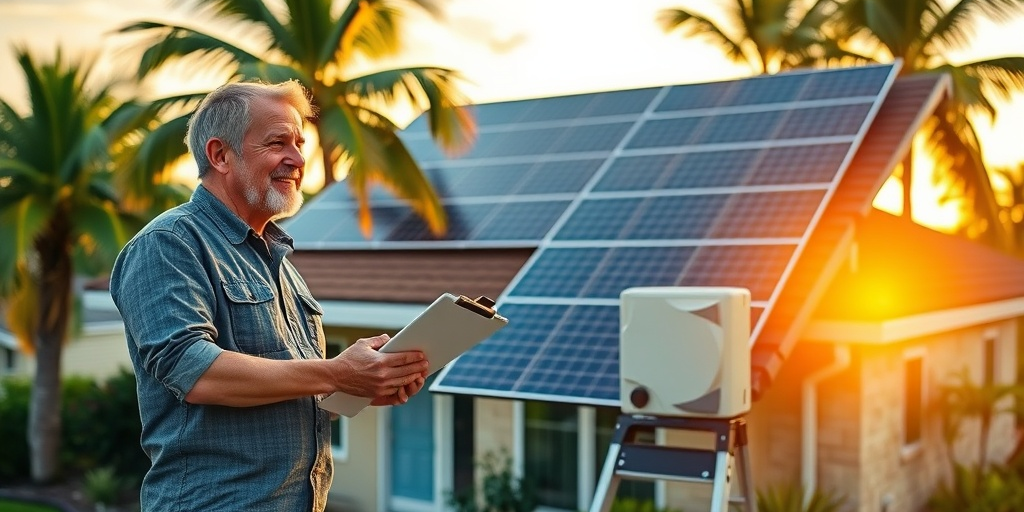
Are you aware that nearly 90% of Florida homeowners are contemplating making the switch to solar in 2025? This staggering statistic reflects a growing shift towards renewable energy solutions, driven by alarming increases in utility costs and recent legislative support for solar initiatives. In our blog titled Grid-Tied vs Off-Grid Systems: A Critical Breakdown for Florida Homeowners, we delve deep into the world of solar energy systems—essentially dissecting the key differences between grid-tied and off-grid solar solutions. Understanding these systems is urgent, especially in a state like Florida, where the sun shines bright and energy costs are on the rise. In fact, experts estimate that Florida’s utilities have raised rates by an average of 4.7% annually (Energy.gov), propelling solar adoption further. In this comprehensive guide, we’ll explore five crucial sections, equipping you with the knowledge you need to make an informed decision for your solar future.
First, we’ll share an emotional case study that brings the decision-making process to life. Next, we’ll present a practical checklist of actionable steps to consider when evaluating your solar options. Following that, we’ll debunk common myths surrounding solar energy systems, clarifying misconceptions that may be holding you back. We’ll then focus on Florida-specific data and policy influences that directly impact your decisions as a homeowner. Lastly, we’ll dive into the technical considerations surrounding solar panel technology, inverters, and battery storage to give you a richer understanding of these systems. Let’s get started!
Understanding the Dynamics of Grid-Tied vs Off-Grid Systems
Choosing between a grid-tied and an off-grid solar system is more than just a question of technology; it’s about aligning your solar energy solution with your lifestyle, financial goals, and energy needs. Let’s begin our journey with an insightful case study highlighting a Florida homeowner’s experience.
Meet Carlos and Maria, a couple residing in Orlando. After encountering startling electricity bills that spiked to over $300 a month during the scorching summer months, they decided it was time to explore solar options. Initially leaning towards an off-grid system—the promise of energy independence appealed to them— they revisited their choices after consulting with a solar expert from Florida Electric & Solar.
After thorough discussions, they learned the intricacies of both systems. A grid-tied system allows them to connect to the local grid, using it as a backup while enabling them to draw from their solar power during the day—a viable solution for their energy needs without requiring extensive battery storage. In contrast, the off-grid option would have mandated a substantial battery bank to store energy for nighttime use, requiring a higher upfront investment with extra maintenance.
This discussion resonates with many Floridians who are eager to eliminate electric bills while maximizing solar benefits. It emphasizes why carefully evaluating grid-tied versus off-grid systems is essential.
Key Considerations for Your Solar Energy System
As Carlos and Maria learned, the choice between grid-tied and off-grid systems revolves around several pivotal factors. Here’s a checklist outlining the key points to assess:
- Step 1: Assess Your Energy Needs — Determine how much power your household consumes on average. Check past utility bills for detailed insight. Remember to account for future needs, especially if you plan to add electric vehicles or other energy-intensive appliances.
- Step 2: Evaluate Your Location — Understand how solar energy production can vary by location in Florida. Coastal areas may experience different shading and sunlight intensity compared to inland regions.
- Step 3: Determine Budget — Ascertain your upfront financial investment. Grid-tied systems typically cost less due to fewer components, as they eliminate the need for extensive battery storage. On the other hand, off-grid solutions can require significant investment in battery technology.
- Step 4: Investigate Incentives — Research available state and federal solar incentives that could impact your final costs. Florida homeowners can benefit from the Solar Investment Tax Credit (ITC), allowing substantial savings.
- Step 5: Consult with a Solar Expert — Contact organizations like Florida Electric & Solar to explore specific options tailored to your needs. Experienced professionals can provide personalized recommendations that align with your energy consumption and financial situation.
Each step holds significance, contributing to your ultimate solar solution. If we unpack these aspects further, we find that various myths persist around both systems that may cloud your judgment. Let’s employ some myth-busting!
Common Misconceptions About Solar Systems
As solar technology evolves, many misconceptions linger within public discourse. Here are some widespread myths tackled with clarity:
- Myth #1: Solar Power Only Works in Sunny States — Contrary to popular belief, solar technology can be effective in areas with variable weather. Cloud cover or occasional rain doesn’t render solar panels useless—it merely affects energy production, often yielding ample output nonetheless (NREL.gov).
- Myth #2: Off-Grid Systems Are Always Better — Many Florida homeowners may be lured by the idea of complete independence with off-grid systems. However, they often require a large investment in batteries and equipment maintenance that may not be economically viable for most households.
- Myth #3: Solar Panels Are Too Expensive — While solar panel costs have decreased significantly over the years, many still perceive them as a luxury. In reality, tax credits and financing options can make them far more accessible than anticipated (Energy.gov).
- Myth #4: You Can’t Sell Your House with Solar Panels — The opposite is true! Homes equipped with solar energy systems tend to have higher property values and appeal to eco-conscious buyers.
- Myth #5: All Solar Panels Are the Same — There is a wide range of solar panel types, efficiencies, and costs. Understanding the nuances can help you make a more informed decision during your evaluation.
With this newfound clarity about the realities of solar systems, let’s pivot to a pivotal factor: the unique aspects of the Florida market. Understanding local dynamics is crucial for making a well-informed decision.
The Florida Solar Landscape
Florida is often dubbed the “Sunshine State” for good reason—boasting an average of 237 sunny days per year, making it an ideal environment for solar energy efficiency. As such, many homeowners are beginning to tap into this renewable resource. Several Florida-specific characteristics inform our solar journey:
- Solar Incentives — Florida homeowners can take advantage of the Federal Solar Tax Credit, which currently offers a 26% tax credit on residential solar installations. The potential for additional state-level incentives may alter the economic landscape.
- Net Metering Policies — With net metering, you can feed excess energy back into the grid, receiving bill credits for your contributions. This feature benefits grid-tied systems immensely, allowing homeowners to offset energy costs further.
- Hurricane Preparedness — Florida’s geography exposes homeowners to the risk of hurricanes, necessitating a durable and reliable system. When choosing your solar solution, consider the strength and resilience of different solar panels and mounting equipment.
The solar journey in Florida also means that homeowners must familiarize themselves with interconnection regulations and utility policies. The power dynamics between local utilities and homeowners could influence your setup and energy distributions.
Technical Considerations for Solar Systems
As we wrap up our exploration of grid-tied versus off-grid systems, it’s essential to delve into some technical specifics. A clear understanding of components and standards can empower you to make informed choices. Here are the primary components to consider:
- Solar Panels — The backbone of any solar system, panels convert sunlight into electricity. Their efficiency, size, and quality can significantly impact your energy production. Look for panels that maintain performance under challenging conditions—especially relevant in humid climates like Florida.
- Inverter Types — Inverters convert the direct current (DC) produced by solar panels into alternating current (AC) suitable for home use. Options include string inverters, microinverters, and power optimizers. Each has its advantages in terms of performance and complexity.
- Batteries — For off-grid systems, robust battery storage ensures you have energy access when sunlight is low. Advanced battery technology has seen improvements in lifespan and efficiency, but budgets should dictate your selection.
- Monitoring Systems — Smart monitoring allows you to track energy production and consumption. Understanding your system’s performance can alert you to issues and drive efficiency in your consumption habits.
As these systems mature, efficiency will improve, and prices will continue to decrease. The solar market remains dynamic, and regular consultation with professionals ensures you stay abreast of the latest advancements.
Next Steps for Florida Solar Buyers in 2025
With all this knowledge, it’s time to develop an actionable plan. Here’s a checklist of steps you can take to expedite your transition to solar energy:
- Step 1: Audit Your Electric Bill — Review your past bills to identify patterns, peak usage times, and cost concerns. Understanding your energy usage builds a solid baseline for determining your solar needs.
- Step 2: Research Solar Providers — Look for reputable solar companies with extensive testimonials and case studies. Secure multiple quotes to get a comprehensive view of potential system costs and configurations.
- Step 3: Understand Your Financing Options — From cash purchases to loans and leases, knowing how you will finance the system is critical. Don’t hesitate to explore available incentives to maximize your budget.
- Step 4: Schedule Site Assessments — Invite solar companies to assess your property. They will evaluate roof conditions, shading concerns, and determine optimal panel placement.
- Step 5: Install and Monitor — Once you’ve finalized decisions, proceed with installation. Afterward, implement monitoring systems to track performance and usage effectively.
Maximizing your solar potential while understanding the logistics involved is vital. To augment these steps, consider consulting with experts from Florida Electric & Solar for tailored advice and insights on your unique situation.
In conclusion, the decision to go solar is one of the most impactful choices you can make as a Florida homeowner. As outlined in Grid-Tied vs Off-Grid Systems: A Critical Breakdown for Florida Homeowners, understanding the essential differences can save you trouble—and money. The urgency grows as utility bills rise and incentives pave the way for broader solar adoption. Protect your family and future while embracing the sunlight-filled possibilities of solar energy.
If you’re ready to embark on your solar journey in 2025 and start harnessing the power of the sun, connect with a certified expert at floridaelectricandsolar.com today.
Related Articles
More insights about Grid-Tied Systems

Grid-Tied vs Off-Grid Systems: What You Need to Know

Grid-Tied vs. Off-Grid Systems: The Essential Solar Comparison Guide

Technical Deep-Dive: Understanding Grid-Tied vs Off-Grid Solar Systems
Ready to Go Solar?
Have questions about solar energy? Our experts are here to help you make the switch to clean, renewable energy.