
Grid-Tied vs. Off-Grid Systems: A Critical Breakdown for Florida Homeowners
Share:
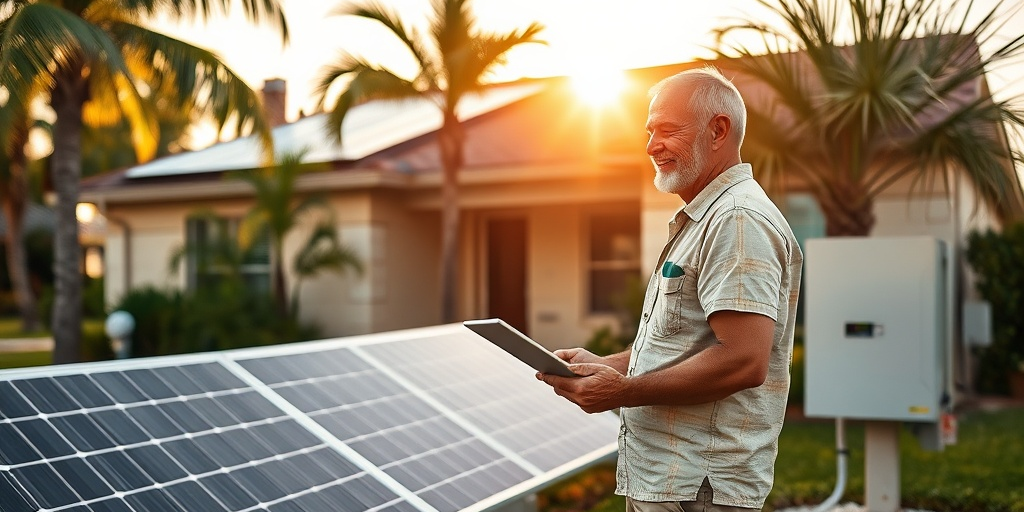
As energy prices continue to rise, Florida homeowners face an urgent question in 2025: How can you gain independence from the volatility of traditional energy sources while minimizing costs? With an astonishing 60% of Floridians considering switching to solar energy within the next two years (SolarReviews.com), understanding the right system for your needs has become more crucial than ever. The title of this article is “Grid-Tied vs. Off-Grid Systems: A Critical Breakdown for Florida Homeowners.” In this piece, we are not just going to scratch the surface; we will delve deeply into what distinguishes these two types of solar energy systems, equipped with vital insights to help you make an informed choice. Did you know that Florida ranks third in solar capacity in the U.S., trailing only California and Texas (SEIA.org)? This makes our state uniquely positioned for solar solutions. However, with distinctions like grid-tied versus off-grid systems, choosing the right option can seem overwhelming. Let’s break down the relevance of this topic, especially in 2025, where new federal tax incentives and local regulations can alter your cost-benefit analysis significantly. In this article, we will cover five pivotal sections: an angled deep dive into both systems, actionable steps to decide which is best for you, common myths busted, best practices for solar installation, and a step-by-step action plan for Florida solar buyers. Join us on this enlightening journey as we explore the best options for harnessing solar energy in Florida.
Understanding Grid-Tied and Off-Grid Systems: A Comprehensive Breakdown
Picture the Martinez family in Orlando, eagerly looking forward to lowering their electricity bills while doing their part for the environment. They have been exploring solar solutions for several months now but are torn between grid-tied and off-grid systems. At first glance, these terms may seem interchangeable, but a closer examination reveals substantial differences that can transform their energy experience.
Grid-tied systems, as the name suggests, are interconnected to the local utility grid. This configuration enables homeowners to draw electricity from the grid when their solar production is insufficient and sell excess energy back during peak generation times. In contrast, off-grid systems operate independently, using battery storage to supply power entirely disconnected from the utility grid.
Case Study: A case study involving the Martinez family’s neighbor, Sarah, exemplifies the benefits and challenges of each system. Sarah installed a grid-tied system, which allowed her to take full advantage of Florida’s net metering laws. Within a year, she significantly reduced her monthly utility bills by approximately 40% (NREL.org). This setup is particularly advantageous given the average Florida homeowner pays about $110 per month on electricity (SEIA.org). Sarah appreciates the immediate cost savings, but she occasionally finds herself concerned during storms when grid outages occur. Could she have fared better with an off-grid system? The answer lies in the trade-offs between reliability and independence.
Checklist: How to Decide
– Step 1: Understand your energy needs: Average monthly consumption will dictate the size and capabilities of the systems in question.
– Step 2: Assess your location: Consider how much sunlight your property receives and if you could benefit more from storage solutions.
– Step 3: Evaluate your budget: Off-grid systems generally require higher upfront investments due to battery cost and installation complexity.
– Step 4: Consult with solar professionals: Are you ready to gain insights from an expert? Look to a trusted provider like floridaelectricandsolar.com for tailored advice.
– Step 5: Any future lifestyle plans? If you’re planning to add electric vehicles or expand your home, energy consumption will likely increase.
Myth-Busting Common Misconceptions
Myth #1: “Grid-tied systems will leave me vulnerable during power outages.”
This is only partly true. While a standard grid-tied system needs the grid to operate and turns off during outages to protect workers, advanced systems can incorporate backup batteries that kick in when needed.
Myth #2: “Off-grid systems are only for remote locations.”
Today, many desire off-grid systems in urban areas to have uninterrupted power through battery solutions and to avoid relying on the grid altogether.
Myth #3: “You can’t benefit from net metering with off-grid systems.”
True, but off-grid systems let you sell excess energy and offset costs by reducing your need for energy from the grid when you do connect.
Local Focus: Florida-specific solar incentives, including the federal solar tax credit that now offers a 30% rebate for solar system installations (Energy.gov), only enhance the benefits of grid-tied systems but do not discriminate against off-grid solutions. Understanding these can guide your decision-making.
Technical Deep-Dive: Grid-tied systems generally use inverters to convert direct current (DC) electricity produced by solar panels into alternating current (AC) needed for household use. In comparison, off-grid systems typically require more advanced inverters and battery management systems to manage energy flow, storage, and consumption efficiently. Evaluate the quality, brand, and durability of your chosen components, as these aspects significantly impact performance and longevity.
Now that we have dissected the key components of each system and practical considerations, let’s transition into what best practices to engage when considering a solar installation in Florida.
Best Practices for Going Solar in 2025
With so many homeowners leaning towards solar energy solutions, how can you ensure you’re among those making the best decisions? Approaching your solar installation thoughtfully can maximize savings, performance, and aesthetic appeal. Below are five expert solar installation tips ideally suited for 2025.
Tip 1: Don’t skimp on panel placement
The power of your solar panels directly correlates to their positioning. Aim to install them on south or west-facing roofs to capture the most sunlight during peak hours. Avoid shaded areas and ask professional installers about optimal angles specific to your geographic location.
Tip 2: Choose high-efficiency panels
While the upfront costs may be higher, investing in high-efficiency panels can yield more energy over their lifetime. Look for panels with performance warranties and trusted ratings to assist in your decision-making.
Tip 3: Utilize smart inverters
Smart inverters help manage energy consumption, track your system’s performance, and even integrate easily with smart home technology. These devices can maximize your energy harvesting, reducing reliance on the grid.
Tip 4: Evaluate battery storage options
If you choose a grid-tied system, consider the benefits of integrating battery storage. This way, you can store excess electricity for use during peak hours or power outages. Off-grid setups will require robust storage solutions to ensure a steady power supply.
Tip 5: Understand local regulations and incentives
In Florida, take advantage of various incentives and rebates such as the Property Assessed Clean Energy (PACE) program and federal tax credit to lessen the financial burden. Consult local authorities and industry experts to familiarize yourself with ongoing incentives as rules can evolve quickly.
With these best practices in mind, we now turn our focus to the journey of a typical Florida homeowner considering solar energy. Understanding their experiences can help others navigate the complexities of this crucial decision.
A Florida Homeowner’s Solar Journey: Realizing the Dream
Meet Jake, a 35-year-old father of two living in Tampa. Like many Florida homeowners, he was motivated to embrace solar energy primarily for financial savings. After noticing a dramatic rise in his electricity bill—$200 per month—he began researching his options in late 2024. With multiple friends advocating for solar energy adoption, Jake didn’t know where to begin but understood he wanted to take control of his energy destiny.
Over several weeks, Jake took noted steps to explore both grid-tied and off-grid options. Here are some significant lessons Jake learned along the way:
- Research is crucial: Jake immersed himself in online resources, read customer testimonials, and consulted with multiple solar companies. Balancing feedback from friends and researched reviews helped him feel empowered to make a decision.
- Evaluate environmental conditions: With steep trees shadowing his property, a grid-tied solution became attractive, as it could accommodate fluctuations in power generation without total reliance on stored energy.
- Consider future developments: Home maintenance can add up; should he re-roof, the solar panels would need to be removed and replaced. Jake wanted to ensure that any future home modifications aligned with his solar investment.
- Understanding warranties: Jake considered both manufacturers’ panel warranties and installation warranties. He discovered a reliable installer that guaranteed performance over 25 years—an essential factor for his decision-making.
After weighing these considerations, Jake ultimately opted for a grid-tied setup with battery backup, combining the benefits of quick energy costs savings with increased security during power outages. Jake’s decision illustrates a contemporary energy adoption journey, honing in on both practical solutions and lofty visions.
As we pivot to the final section, we will establish an actionable plan for Florida homeowners looking to move forward with solar energy systems in 2025.
Next Steps for Florida Solar Buyers in 2025
With a wealth of information gathered, what’s next for you as a Florida solar buyer? Here’s a streamlined action plan with clear steps to minimize friction and maximize your benefits:
Step 1: Audit Your Electric Bill
Before making an informed decision, thoroughly review your electricity bills from the past year. Calculate your average monthly consumption and assess whether your energy needs fall into a range suitable for either grid-tied or off-grid systems.
Step 2: Research Available Solar Providers
Investigate local providers with extensive knowledge of Florida-specific solar conditions. Read reviews and request quotes to compare costs and service offerings. A trusted partner like floridaelectricandsolar.com can offer comprehensive support based on your unique needs.
Step 3: Schedule Consultations
Reach out to at least three solar installation companies to discuss your options. By soliciting expert insights, you can uncover specific recommendations tailored to your home and desired outcome.
Step 4: Analyze Available Incentives
Research state and federal incentives to maximize affordability. Programs like net metering, tax credits, and PACE can significantly reduce your overall installation cost.
Step 5: Make Your Decision
Finally, it’s decision time. Weigh all factors including costs, benefits, and incentives to align your choice with your long-term energy vision. Remember, enrolling in a solar payment plan should factor into your monthly budget to gauge feasibility.
In conclusion, this journey has traversed the complexities of selecting between grid-tied and off-grid solar systems here in Florida. Recognizing the importance of knowledgeable decision-making is paramount, as these systems can drastically influence financial, environmental, and lifestyle outcomes. With energy prices high and incentives ripe for the taking, there’s never been a better time to embrace solar. As you delve into the next steps, remember how solar power can not only turn the tide on rising energy bills but also secure a sustainable future for your family.
Ready to start your solar journey in 2025? Connect with a certified expert at floridaelectricandsolar.com today.
Related Articles
More insights about Grid-Tied Systems

Grid-Tied vs Off-Grid Systems: What You Need to Know

Grid-Tied vs. Off-Grid Systems: The Essential Solar Comparison Guide

Technical Deep-Dive: Understanding Grid-Tied vs Off-Grid Solar Systems
Ready to Go Solar?
Have questions about solar energy? Our experts are here to help you make the switch to clean, renewable energy.