
Why Gulf Coast Residents Should Explore Zero Down Solar Options
Share:
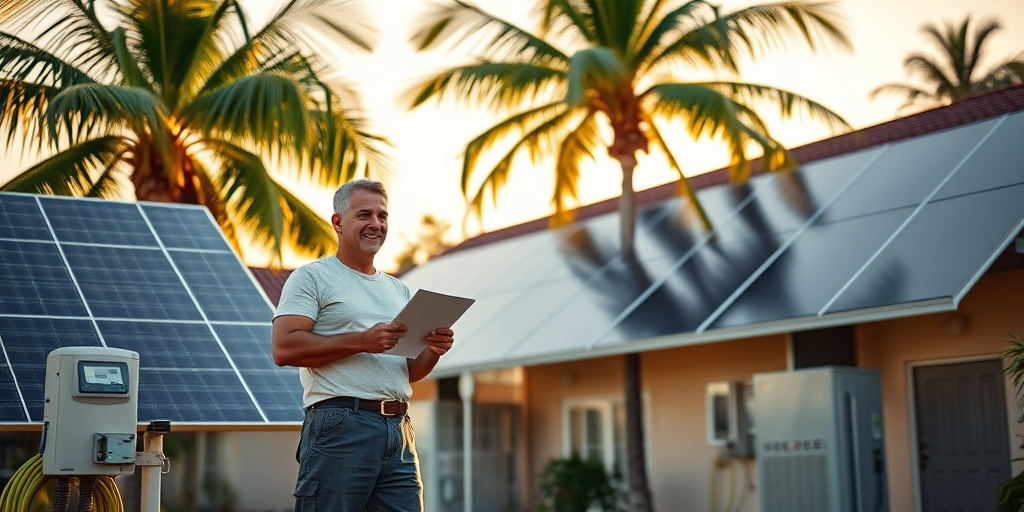
When it comes to reducing energy expenses while maximizing financial savings, the idea of going solar has moved from a trendy option to a practical necessity for homeowners in the Gulf Coast region. In fact, according to a 2023 report, 86% of Floridians believe that integrating solar power into their homes can dramatically lower energy costs (SEIA.org). Yet many still hesitate, primarily due to financial concerns. How about eliminating those worries completely with zero down solar options? This is the focus of our article: Why Gulf Coast Residents Should Explore Zero Down Solar Options, exploring how these affordable solutions can transform energy consumption for homeowners while elevating property value.
As energy prices surge—predicted to rise by 25% within the next five years—2025 is swiftly approaching and presenting a pivotal moment for Florida homeowners looking for financial relief (Energy.gov). Florida is already home to some of the highest electricity costs in the country, making the need for alternative sources more urgent than ever. A zero down solar option allows homeowners in the Gulf Coast to enjoy all the benefits of solar energy without the hefty upfront costs, making it a win-win situation. In this article, we will delve into the following sections:
1. A deep dive into a real-life case study illustrating the ease of going solar.
2. A checklist detailing essential steps for exploring zero down solar options.
3. Common myths debunked about solar energy financing.
4. A local focus on Florida’s unique solar incentives and statistics.
5. A technical deep dive on the options available to shorten the payback period.
Let’s explore how you can seize this opportunity!
Why Zero Down Options Are the Key to Solar Adoption on the Gulf Coast
In the ever-evolving landscape of renewable energy, residents in the Gulf Coast are fortunate to have an opportunity to leap into solar energy without the burden of initial costs. Imagine a family in Naples, Florida, who had been struggling with monthly electricity bills that reached well over $400 during the scorching summer months. They hesitated to embrace solar due to the assumed prohibitive costs. However, when they learned about zero down financing options, their perspective shifted dramatically. Not only could they avoid the substantial upfront costs, but they also realized they could substantially reduce their bills. A recent study showed that Florida homeowners could save an average of $20,000 over 20 years by installing solar energy systems (SolarReviews.com). This case isn’t just a tale; it’s a reality that resonates across the coastline.
Beneath this success story is a grounded checklist of actionable steps:
- Step 1: Research solar companies that offer zero down options.
- Step 2: Evaluate your monthly energy expenditure to determine potential savings.
- Step 3: Schedule a consultation with an expert who specializes in financing options.
- Step 4: Understand warranty and maintenance agreements that accompany your solar installation.
- Step 5: Review your contract thoroughly before signing.
However, there remain questions and misconceptions about adopting solar energy. Let’s address some of those, starting with the common myths that discourage homeowners from pursuing solar options.
Debunking the Myths: Understanding Solar Financing
Despite the increasing acceptance of solar power, many myths still cloud public perception. Here are the most common ones:
- Myth #1: Solar is too expensive—fact is, zero-down solar options can greatly diminish upfront costs.
- Myth #2: Solar panels don’t work unless it’s sunny. In reality, solar panels can still generate power even on cloudy days and during winter months (NREL.gov).
- Myth #3: Homeowners need to own their solar panels outright. However, leasing solar panels or using power purchase agreements (PPA) are both viable options.
- Myth #4: Solar power won’t save money in the long run. In truth, most solar systems significantly reduce monthly energy expenses over time, providing financial resilience against rising utility costs.
- Myth #5: Solar systems are high maintenance. In fact, they require minimal upkeep, mainly cleaning and occasional inspections (Energy.gov).
Florida-Specific Insights on Solar Options
For homeowners in Florida, the abundance of sunshine yields substantial solar energy potential yet is complemented by unique state incentives. For example, Florida’s Solar Energy System Incentives program offers rebates to homeowners that can significantly offset costs (DSIREUSA.org). With over 85% of Florida homeowners eligible for solar financing options, more residents can benefit from zero down opportunities than ever before. By partnering with local providers, you can leverage state incentives that enhance savings for Gulf Coast families. Here are key insights specific to Florida:
- Florida ranks second in the nation for solar power capacity due to its abundant sunshine.
- State tax exemptions exist for solar energy systems, making it more economically viable (SolarReviews.com).
- Community solar options allow homeowners to participate in renewable energy even without rooftop installations.
- Utilizing local solar companies supports community employment as well.
Arming yourself with these insights not only aids in making informed decisions but also results in fostering supportive community relations! To explore your unique solar options, connect with local experts like those at floridaelectricandsolar.com.
5 Best Practices for Solar Installation in 2025
As the solar industry is continuously evolving, it’s critical for homeowners to stay informed about the best practices for installation. Here are five recommendations that can set you on the right path.
- Proper panel placement: The efficiency of solar panels can significantly increase depending on their orientation. Ensure they are strategically placed to maximize sun exposure throughout the day.
- Invest in quality equipment: Don’t skimp on inverters and batteries; leading brands often provide more reliable efficiency and warranties.
- Understand your solar contract: Be aware of all terms, especially regarding financing. Zero down options can be favorable, but clarity is vital.
- Routine professional maintenance: Schedule annual inspections to ensure continuous optimal performance of your solar system.
- Stay updated on local laws: Solar regulations can change rapidly. Regularly check Florida’s regulations to ensure compliance and maximum benefits.
A Realistic Homeowner’s Journey Toward Solar Energy
Meet the Johnson family from Sarasota, who decided in 2024 to evaluate their electric bills, which soared in summer with A/C running continuously. They recognized the need to do something proactive about the rising costs of energy. Their journey towards solar energy began with thorough research online, leading them to a local company specializing in zero down solar systems. Their initial doubts were quickly addressed by knowledgeable employees who outlined how zero-down financing could support immediate savings.
The Johnsons agreed to a solar lease at no upfront investment, paving the way for significant savings immediately. In the first month, they noticed their electric bill drop from $350 to a mere $50! This change not only empowered them to reduce their overall household expenses, but it provided peace of mind in an unstable energy market. Here are key takeaways from their experience:
- Understand all available financing options, including leases and PPAs.
- Research local companies, read reviews, and ask for recommendations.
- Conduct energy audits to determine the size of the solar system necessary for your needs.
- Evaluate warranties and service agreements to guard against technology failures long-term.
To learn more about financing structures and how to adopt solar for your home, consult with organizations like floridaelectricandsolar.com.
Next Steps for Florida Solar Buyers in 2025
Ready to enhance your home with solar energy? Taking the first step towards adopting solar in 2025 can seem overwhelming. But fear not: with an organized approach, the transition can be straightforward.
- Step 1: Audit Your Electric Bill. Identify your energy consumption patterns for better estimates of potential savings.
- Step 2: Research Providers. Look into local solar companies that boast high customer satisfaction.
- Step 3: Ask the Important Questions. Inquire about warranties and maintenance agreements.
- Step 4: Confirm Your Financing. Review all contract terms carefully before signing and understand the implications of a zero down option.
- Step 5: Installation! Once all steps are completed, the installation crew will arrive for your solar system setup.
Your energy independence is just a few steps away! Explore the ease of zero down solar options to manage your energy costs effectively. For detailed guidance on your solar journey, contact experts at floridaelectricandsolar.com.
As we wrap up this educational journey into solar energy, it’s important to reflect on how solar options can transform your home’s energy landscape. With the urgency of rising energy costs and more families seeking alternative sources, the time to act is now. Investing in solar isn’t just about saving money; it’s about ensuring a sustainable future for your family and protecting the planet. Embrace this opportunity, make informed decisions, and become part of the solar revolution in 2025.
Ready to start your solar journey in 2025? Connect with a certified expert at floridaelectricandsolar.com today.
Related Articles
More insights about Zero Down Solar

Florida Homeowners: The Critical Benefits of Zero Down Solar

Why Florida Homeowners Should Explore Zero Down Solar Options

How One Florida Family Benefited from Zero Down Solar
Ready to Go Solar?
Have questions about solar energy? Our experts are here to help you make the switch to clean, renewable energy.