
How One Florida Family Benefited from Zero Down Solar
Share:
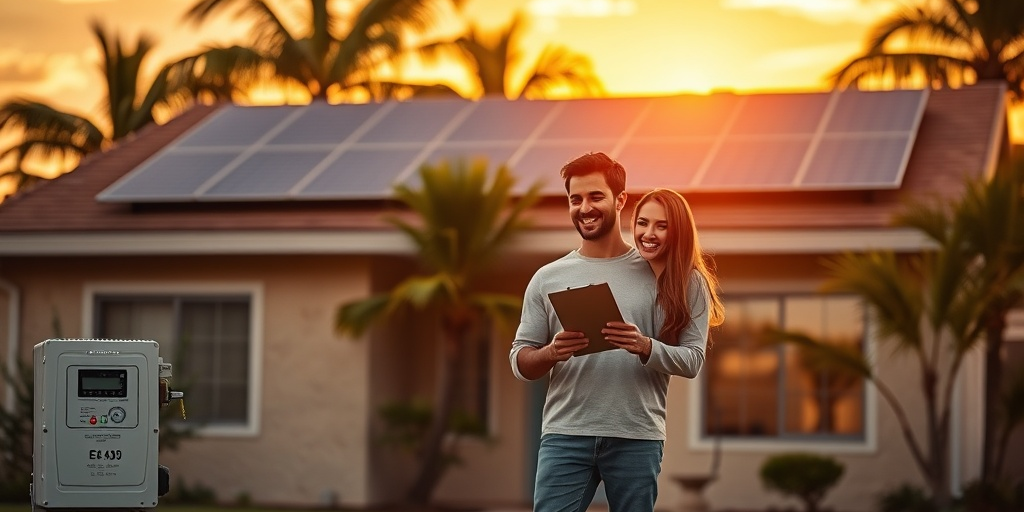
In an era where rising energy costs loom large over Florida homeowners, it’s no wonder that many are searching for solutions to eliminate their electric bills. Did you know that solar energy can potentially save Florida families thousands of dollars in the long run? The story of the Johnson family—a typical Florida family—illustrates the immense benefits they experienced from going solar without any upfront costs. In this case study titled, How One Florida Family Benefited from Zero Down Solar, you’ll discover the remarkable journey of how they transformed their home into an energy-efficient haven while significantly reducing their utility bills. With state incentives like the Net Metering Policy allowing homeowners to credit their excess energy back to the grid, the timing couldn’t be better. As we enter 2025, understanding the advantage of zero-down solar systems is not just beneficial—it’s essential. In the following sections, we will delve deeper into their story, examine the financial aspects of zero-down solar, unravel common myths, discuss best practices for installation, and provide actionable steps for homeowners to start their solar journey in Florida.
How the Johnson Family Embraced Zero Down Solar
The Johnsons, a family residing in sunny Orlando, Florida, were faced with escalating electricity bills that peaked during the sweltering summer months. After conducting research on solar energy options, they stumbled upon Florida Electric & Solar, a company providing zero-down solar installations. Understanding the urgency of their situation, they made the leap. But what does going solar truly mean? It involves installing solar panels that utilize sunlight to generate electricity, reducing dependence on traditional energy sources and lowering utility bills. The Federal Solar Investment Tax Credit played a further role, enabling homeowners to claim a tax credit of up to 26% of the installation cost (Energy.gov).
Throughout their process, the Johnsons not only maximized their solar savings by eliminating upfront costs but also enjoyed various financial incentives offered in Florida. The net metering system allows them to roll back energy credits, which can accumulate for later use, thus significantly affecting their overall energy cost. Reports from the Solar Energy Industries Association indicate that homeowners across Florida can save an average of $1,500 annually through solar energy (SEIA.org).
- Understanding Zero Down Solar: This financing option allows homeowners to install solar panels without any upfront payment, relying instead on a system of lease agreements or power purchase agreements (PPAs).
- The Savings Insight: The Johnsons can save between 50-80% on their electric bills once their panels are operational. They will also benefit from increased home value due to the solar installation.
- Environmental Impact: By switching to solar energy, the Johnson family reduced their carbon footprint substantially, contributing to a cleaner environment.
As we explore further, we’ll offer a checklist of actionable steps for families like the Johnsons, debunk common myths surrounding solar energy, and delve into the local nuances specific to Florida’s solar landscape. Understanding these facets will enable homeowners to harness the benefits of solar energy effectively and affordably.
A Comprehensive Checklist for Your Solar Journey
Are you ready to follow in the footsteps of families like the Johnsons? Here’s your essential checklist for making the switch to solar energy in Florida:
- Step 1: Research Solar Options
- Begin by exploring various solar providers in your region. Reviews and testimonials provide invaluable insights into customer satisfaction. Companies like Florida Electric & Solar have built a reputation for high-quality service.
- Step 2: Analyze Your Energy Consumption
- Collect your utility bills for the past year. Identify your average monthly consumption to best size your solar panel system. The National Renewable Energy Laboratory suggests that residents can benefit from a thorough energy audit (NREL.gov).
- Step 3: Consult with Professionals
- Schedule consultations with certified solar energy providers to discuss tailored options. Ensure they are well-versed in local regulations and permits, as regulations can vary widely within the state.
- Step 4: Understand the Financing Options
- Review the zero-down options available, including solar loans, leases, and PPAs, allowing you to select the most financially advantageous route for you.
- Step 5: Preparation for Installation
- Once you choose your provider and finalize your solar system details, ensure your home is prepared for the installation process. This may include roof inspections, permits, and structural assessments.
Equipped with this checklist, Florida homeowners can confidently move towards making an informed decision about solar energy—a decision that aligns with both financial savings and environmental responsibility. The Johnson family serves as a beacon of inspiration, showing that a sustainable future is just a solar panel away.
Debunking Common Solar Myths in Florida
Despite the crystal-clear benefits of solar energy, many misconceptions still cloud the decision-making process. Here are some prevalent myths, along with the truths to dispel them:
- Myth #1: Solar Panels are too Expensive
- While prices for solar installations vary, many providers offer attractive zero-down financing options. Florida homeowners can often save on energy costs immediately, making solar affordable (Energy.gov).
- Myth #2: Solar Doesn’t Work in Cloudy Weather
- Solar panels can produce energy on cloudy days, as they rely on daylight rather than direct sunlight. Florida’s sunny climate offers a long solar production window throughout the year.
- Myth #3: Solar Panels Require Too Much Maintenance
- In reality, solar panels are fairly low-maintenance. Routine checks and occasional cleaning are all that’s necessary to ensure optimal performance.
- Myth #4: Solar Energy is Only for Wealthy People
- In addition to zero-down financing, various state incentives aim to make solar accessible for all households, irrespective of income levels. The Johnsons exemplify how families of all backgrounds can benefit from solar.
- Myth #5: Going Solar Decreases Your Property Value
- On the contrary, homes with solar installations often see an increase in property value, making them more attractive to potential buyers in a competitive market.
Understanding these truths empowers families like the Johnsons to make informed decisions regarding their energy habits, debunking the stigma of solar and illuminating a path towards sustainable living. With facts on their side, they embraced the future of energy consumption with confidence.
5 Expert Solar Installation Tips for 2025
As the solar market continues to evolve, making the right installation decisions becomes even more critical for Florida homeowners. Here are five expert tips to guide your installation process:
By adhering to these best practices, Florida homeowners can ensure a successful solar experience, which will allow them to reap the benefits for decades to come. Just like the Johnsons, families across Florida can transform their homes into eco-friendly sanctuaries.
The Solar Journey of the Smith Family
Meet the Smith family, another Florida family who embarked on their solar journey in 2025. They lived in Sarasota and were overwhelmed by the rising costs of electricity, especially during the summer months. The family’s decision to go solar was largely driven by financial concerns and the desire to reduce their carbon footprint.
- First, the Smiths conducted an energy audit, revealing inefficiencies in their home. Through recommendations from their solar consultant, they were able to optimize their energy consumption before the installation.
- Next, the Smiths chose to take advantage of the state’s solar incentives, including the property tax exemption on solar installations. They discovered that this saved them roughly 25% of their overall installation cost.
- The installation process was straightforward; with the help of a reputable company, their panels were installed within a week. Throughout the entire process, they were kept informed and guided by their consultant.
- Once their system was operational, the family witnessed a dramatic decrease in their electric bills—slashing them by over 70% during the hottest months! This financial relief was a game-changer for their family budget.
The Smith family’s transition to solar didn’t just grant them financial freedom; it sparked an environmental awakening in their community. They began engaging with neighbors about the benefits of solar power, encouraging many others to consider a greener approach. This chain reaction revitalized their community and propelled several families towards sustainable energy solutions.
The Smiths’ solar journey is a powerful testament to how one family’s decision can ripple through a community. Much like the experience of the Johnsons with zero-down solar, it demonstrates the profound impact that shifting to sustainable energy can have—not only on household finances but also on community engagement and environmental consciousness.
Next Steps for Florida Solar Buyers in 2025
With a clearer perspective on the solar landscape in Florida, you’re now ready to embark on your energy transformation. Here’s an actionable plan to guide you through the journey:
- Step 1: Audit Your Electric Bill
- Gather your electric bills from the past year to identify your consumption patterns. This insight will be crucial in sizing your solar system appropriately.
- Step 2: Consult with Solar Professionals
- Reach out to certified solar providers like floridaelectricandsolar.com to discuss your specific energy needs and financing options available for you.
- Step 3: Evaluate Incentives
- Look into available federal and state incentives for solar installations. Knowing these can lead to significant savings on your installation costs.
- Step 4: Prepare Your Home
- Ensure your roof is in good condition and suitable for solar installation. Consider any potential upgrades needed to maximize your system’s efficiency.
- Step 5: Take Action
- Finally, commit to your solar installation. Follow through with the necessary paperwork and preparations to make your solar dreams a reality.
This stepwise approach simplifies the decision-making process and empowers Florida homeowners to take control of their energy future. The Johnsons and Smiths showcase that with a plan and the right resources, you too can experience the freedom of solar energy.
Conclusion
The journey towards solar energy is not just about reducing bills—it’s an opportunity to secure a brighter future for families and communities. The stories of the Johnsons and Smiths reveal the profound advantages of going solar, especially through zero-down programs. As we head into 2025, the urgency to make this shift becomes even more pronounced amidst rising costs and the pressing need for sustainable living. By choosing solar, you not only benefit financially but also contribute meaningfully to a cleaner planet.
Ready to start your solar journey in 2025? Connect with a certified expert at floridaelectricandsolar.com today.
Related Articles
More insights about Zero Down Solar

Florida Homeowners: The Critical Benefits of Zero Down Solar

Why Florida Homeowners Should Explore Zero Down Solar Options

Why Gulf Coast Residents Should Explore Zero Down Solar Options
Ready to Go Solar?
Have questions about solar energy? Our experts are here to help you make the switch to clean, renewable energy.